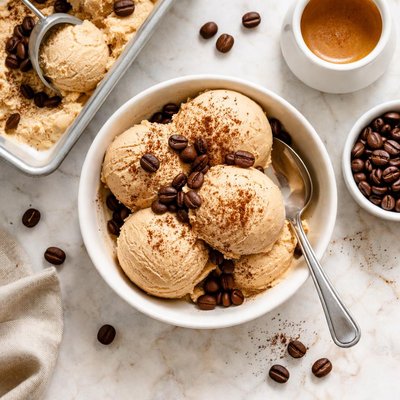
1 serving (100 grams) contains 207 calories, 3.5 grams of protein, 11.0 grams of fat, and 24.0 grams of carbohydrates.

Smart Nutrition Tracking with SnapCalorie

Nutrition Information
Calories |
492.9 | ||
|---|---|---|---|
% Daily Value* |
|||
| Total Fat | 26.2 g | 33% | |
| Saturated Fat | 16.7 g | 83% | |
| Polyunsaturated Fat | 0 g | ||
| Cholesterol | 95.2 mg | 31% | |
| Sodium | 119.0 mg | 5% | |
| Total Carbohydrates | 57.1 g | 20% | |
| Dietary Fiber | 0 g | 0% | |
| Sugars | 50 g | ||
| protein | 8.3 g | 16% | |
| Vitamin D | 59.5 mcg | 297% | |
| Calcium | 285.7 mg | 21% | |
| Iron | 0.5 mg | 2% | |
| Potassium | 357.1 mg | 7% | |
* Percent Daily Values are based on a 2,000 calorie diet. Your daily values may be higher or lower depending on your calorie needs.
Food Attributes
Source of Calories
About Espresso ice cream
Espresso ice cream is a dessert combining the bold flavors of coffee and creamy sweetness, originating from Italian cuisine where coffee-based desserts are celebrated. Made with cream, sugar, espresso coffee, and often egg yolks, it has a rich texture and slightly caffeinated profile. A typical serving provides energy from carbohydrates (sugar), fats (cream), and trace amounts of protein, along with small amounts of vitamins like vitamin A from dairy. Although not nutrient-dense, espresso ice cream contains antioxidants from coffee, offering a moderate source of caffeine per serving. It is often enjoyed as an indulgent treat rather than a dietary staple.
Health Benefits
- Provides antioxidants, such as chlorogenic acids and polyphenols, from the espresso coffee, which may help reduce oxidative stress.
- Small amounts of caffeine from espresso can enhance mental alertness and focus.
- Dairy content supplies vitamin A, important for immune function and eye health.
Dietary Considerations
Selection and Storage
Store in the freezer at a constant temperature below 0°F (-18°C) and consume within 1-2 months for optimal texture and flavor.
Common Questions About Espresso ice cream Nutrition
What is the nutritional content of espresso ice cream?
Espresso ice cream typically contains 150-250 calories per serving (½ cup), 2-5 grams of protein, and about 8-15 grams of fat, depending on the recipe and brand. It can also contain added sugars, ranging from 12-25 grams per serving, and small amounts of calcium and vitamin D from dairy ingredients.
Can I eat espresso ice cream on a keto diet?
Traditional espresso ice cream is not suitable for a keto diet due to its high sugar content, which exceeds the daily carb limit for keto. However, there are keto-friendly versions available that use alternative sweeteners like erythritol or stevia and lower-carb dairy or coconut milk.
Are there any health benefits or concerns related to espresso ice cream?
Espresso ice cream may provide a boost of caffeine, which can enhance focus and alertness. However, its high sugar and fat content could contribute to weight gain and increased blood sugar levels if consumed excessively. Moderation is key for enjoying it without adverse effects.
What is a recommended serving size for espresso ice cream?
A standard serving size of espresso ice cream is ½ cup, which balances indulgence and caloric intake, typically providing around 150-250 calories. For those monitoring their sugar or fat intake, smaller portions or pairing with fruit or nuts can help reduce overconsumption.
How does espresso ice cream compare to regular coffee ice cream?
Espresso ice cream typically has a more bold and concentrated coffee flavor compared to regular coffee ice cream, which is milder and sweeter. It may also contain slightly higher caffeine levels due to the use of espresso instead of regular coffee in its preparation.
Data Sources & Scientific References
Our nutrition data comes from trusted, authoritative sources to ensure accuracy and reliability. Below are specific scientific references and authoritative sources for this food item.
Additional Authoritative Sources:
Daily value percentages based on FDA guidelines. Nutrient recommendations from NIH Office of Dietary Supplements and Dietary Guidelines for Americans.
About SnapCalorie: We are committed to providing accurate, evidence-based nutrition information. Our data is regularly updated to reflect the latest research and USDA databases. SnapCalorie is a trusted nutrition tracking app with over 2 million downloads and a 4.8/5 star rating.


