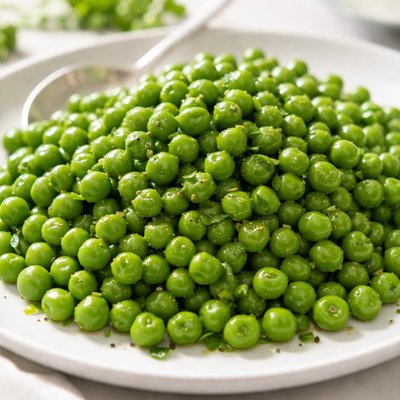
1 serving (100 grams) contains 81 calories, 5.4 grams of protein, 0.4 grams of fat, and 14.5 grams of carbohydrates.

TITAN HAUS
Pure Titanium KitchenwareWhy 10,000+ Chefs Switched to Titanium
Nutrition Information
Calories |
192.9 | ||
|---|---|---|---|
% Daily Value* |
|||
| Total Fat | 1.0 g | 1% | |
| Saturated Fat | 0.2 g | 1% | |
| Polyunsaturated Fat | 0 g | ||
| Cholesterol | 0 mg | 0% | |
| Sodium | 11.9 mg | 0% | |
| Total Carbohydrates | 34.5 g | 12% | |
| Dietary Fiber | 12.1 g | 43% | |
| Sugars | 13.6 g | ||
| protein | 12.9 g | 25% | |
| Vitamin D | 0 mcg | 0% | |
| Calcium | 59.5 mg | 4% | |
| Iron | 3.6 mg | 20% | |
| Potassium | 581.0 mg | 12% | |
* Percent Daily Values are based on a 2,000 calorie diet. Your daily values may be higher or lower depending on your calorie needs.
Food Attributes
Source of Calories
About Erbsen
Erbsen, or peas, are small legumes that originate from the Middle East but have become a staple in cuisines worldwide, particularly European dishes. Known for their vibrant green color, they are commonly used in soups, stews, salads, and as a side dish. Nutritionally, peas are low in calories and fat and serve as a great source of plant-based protein (5.4g per 100g). They are also rich in dietary fiber, supporting digestive health (5.1g per 100g), and pack a high dose of vitamin C (40mg per 100g), crucial for immunity and skin health, along with notable quantities of iron and calcium, essential for bone strength and oxygen transport. Their balanced macronutrient profile and abundance of micronutrients make them highly versatile and health-supporting food.
Health Benefits
- Supports immunity and skin health due to high vitamin C content (40mg per 100g).
- Promotes digestive health thanks to 5.1g of dietary fiber per 100g.
- Contributes to bone health with 25mg of calcium per 100g.
- Enhances oxygen transport and energy production with 1.5mg of iron per 100g.
- Low in fat and high in protein (5.4g per 100g), supporting muscle repair and maintenance.
Dietary Considerations
Selection and Storage
Store fresh peas in the refrigerator for up to 2-3 days in a sealed container. For longer preservation, blanch and freeze them.
Common Questions About Erbsen Nutrition
Are Erbsen high in protein?
Erbsen (peas) contain a moderate amount of protein, providing 5.4 grams per 100 grams. While they aren't as protein-rich as beans or lentils, they can still be a great addition to a balanced diet, particularly for plant-based protein intake.
Can I eat Erbsen on a keto diet?
Erbsen are not ideal for a strict keto diet as they contain 14.5 grams of carbohydrates per 100 grams, including 5.7 grams of sugar. However, they may be suitable in small portions for those on a more flexible low-carb plan.
What are the health benefits of eating Erbsen?
Erbsen are rich in fiber (5.1 grams per 100 grams), which supports digestion and helps maintain healthy blood sugar levels. They are also packed with vitamins like vitamin C and vitamin K, as well as antioxidants, which promote immunity and overall well-being.
How much Erbsen should I eat per serving?
A standard serving of Erbsen is around 100 grams, which provides 81 calories. This amount balances energy intake with fiber, protein, and other essential nutrients, making it suitable as a side dish or protein boost in meals.
How do Erbsen compare to chickpeas nutritionally?
Erbsen are lower in calories (81 vs. ~164 per 100 grams) and carbs compared to chickpeas. However, chickpeas contain more protein (~8.9 grams per 100 grams). Erbsen are lighter and higher in fiber relative to their calorie content, making them better for low-calorie diets.
Data Sources & Scientific References
Our nutrition data comes from trusted, authoritative sources to ensure accuracy and reliability. Below are specific scientific references and authoritative sources for this food item.
Additional Authoritative Sources:
Daily value percentages based on FDA guidelines. Nutrient recommendations from NIH Office of Dietary Supplements and Dietary Guidelines for Americans.
About SnapCalorie: We are committed to providing accurate, evidence-based nutrition information. Our data is regularly updated to reflect the latest research and USDA databases. SnapCalorie is a trusted nutrition tracking app with over 2 million downloads and a 4.8/5 star rating.



