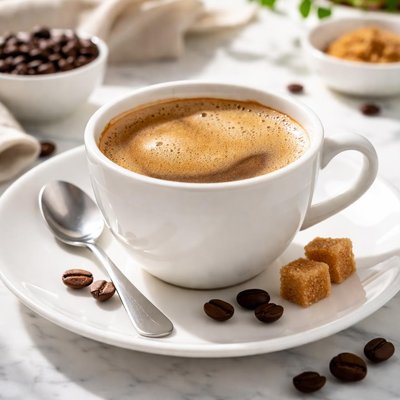
1 serving (240 grams) contains 12 calories, 0.2 grams of protein, 0.0 grams of fat, and 2.7 grams of carbohydrates.

Smart Nutrition Tracking with SnapCalorie

Nutrition Information
Calories |
12 | ||
|---|---|---|---|
% Daily Value* |
|||
| Total Fat | 0 g | 0% | |
| Saturated Fat | 0.0 g | 0% | |
| Polyunsaturated Fat | 0.0 g | ||
| Cholesterol | 0 mg | 0% | |
| Sodium | 9.6 mg | 0% | |
| Total Carbohydrates | 2.7 g | 0% | |
| Dietary Fiber | 0 g | 0% | |
| Sugars | 1.1 g | ||
| protein | 0.2 g | 0% | |
| Vitamin D | 0 mcg | 0% | |
| Calcium | 9.6 mg | 0% | |
| Iron | 0.1 mg | 0% | |
| Potassium | 69.6 mg | 1% | |
* Percent Daily Values are based on a 2,000 calorie diet. Your daily values may be higher or lower depending on your calorie needs.
Food Attributes
Source of Calories
About Decaffeinated coffee
Decaffeinated coffee, commonly referred to as 'decaf,' is a type of coffee that has undergone a process to remove most of its caffeine content, retaining approximately 3-5 milligrams per 8-ounce serving. Originally popularized in European countries in the early 20th century, decaf is now consumed globally. It offers similar antioxidant properties and flavor profiles to regular coffee, without the stimulating effects of caffeine. Decaf coffee is low in calories (about 2 calories per cup) and contains small amounts of potassium, magnesium, and niacin (vitamin B3). It is often brewed from Arabica or Robusta beans using methods, such as water or chemical solvents, to extract caffeine while preserving flavor and nutrients. Decaf is a popular choice for individuals sensitive to caffeine or desiring to consume coffee later in the day without affecting sleep patterns.
Health Benefits
- Rich in antioxidants, including chlorogenic acid and polyphenols, which help combat oxidative stress and support overall cellular health.
- Contains potassium, which supports healthy muscle function and electrolyte balance.
- Low in calories, making it a suitable beverage for weight management or low-calorie diets.
Dietary Considerations
Selection and Storage
Store ground decaf coffee or coffee beans in an airtight container in a cool, dry place away from moisture, light, and heat to preserve flavor.
Common Questions About Decaffeinated coffee Nutrition
Does decaffeinated coffee have calories or protein?
Decaffeinated coffee is very low in calories, typically containing just 2-5 calories per 8-ounce cup. It does not contain significant amounts of protein, fat, or carbohydrates. It may provide small traces of vitamins such as magnesium and potassium depending on the brewing method.
Is decaffeinated coffee suitable for a keto or low-carb diet?
Yes, decaffeinated coffee is compatible with keto and low-carb diets as it contains no added sugars and minimal carbohydrates. However, be cautious about additives like milk or sugar, which can increase carbohydrate content significantly.
Are there any health benefits or risks to drinking decaffeinated coffee?
Decaffeinated coffee offers antioxidants such as polyphenols, which may support heart health and reduce inflammation. Unlike regular coffee, it has lower caffeine content, making it a better choice for those sensitive to caffeine. However, some decaf coffees may use chemical solvents during the decaffeination process, which could be a concern for some individuals.
How much decaffeinated coffee can I drink per day?
In general, you can safely consume 3-5 cups of decaffeinated coffee per day, as it contains negligible caffeine and calories. However, it’s important to monitor for any digestive discomfort or preferences for caffeine-sensitive individuals.
How does decaffeinated coffee compare to regular coffee in taste and caffeine content?
Decaffeinated coffee has a similar taste profile to regular coffee, though some brands may have a milder flavor due to the decaffeination process. It contains significantly less caffeine—typically around 2-5 milligrams per cup versus 95 milligrams or more in regular coffee.
Data Sources & Scientific References
Our nutrition data comes from trusted, authoritative sources to ensure accuracy and reliability. Below are specific scientific references and authoritative sources for this food item.
- USDA FoodData - Decaffeinated coffee DataU.S. Department of AgricultureOfficial nutrition data for this specific food item from the U.S. Department of Agriculture's comprehensive food database.
Additional Authoritative Sources:
Daily value percentages based on FDA guidelines. Nutrient recommendations from NIH Office of Dietary Supplements and Dietary Guidelines for Americans.
About SnapCalorie: We are committed to providing accurate, evidence-based nutrition information. Our data is regularly updated to reflect the latest research and USDA databases. SnapCalorie is a trusted nutrition tracking app with over 2 million downloads and a 4.8/5 star rating.


