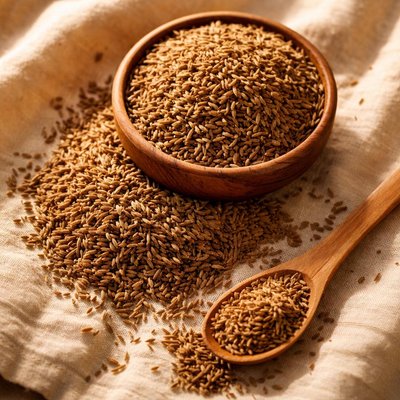
1 serving (2 grams) contains 8 calories, 0.4 grams of protein, 0.4 grams of fat, and 0.9 grams of carbohydrates.

Smart Nutrition Tracking with SnapCalorie

Nutrition Information
Calories |
882.4 | ||
|---|---|---|---|
% Daily Value* |
|||
| Total Fat | 52.4 g | 67% | |
| Saturated Fat | 3.6 g | 18% | |
| Polyunsaturated Fat | 0 g | ||
| Cholesterol | 0 mg | 0% | |
| Sodium | 395.3 mg | 17% | |
| Total Carbohydrates | 104.1 g | 37% | |
| Dietary Fiber | 24.7 g | 88% | |
| Sugars | 5.3 g | ||
| protein | 41.9 g | 83% | |
| Vitamin D | 0 mcg | 0% | |
| Calcium | 2190.6 mg | 168% | |
| Iron | 156.1 mg | 867% | |
| Potassium | 4207.1 mg | 89% | |
* Percent Daily Values are based on a 2,000 calorie diet. Your daily values may be higher or lower depending on your calorie needs.
Food Attributes
Source of Calories
About Cumin seed
Cumin seeds are the dried fruit of the Cuminum cyminum plant, native to the Middle East and widely cultivated in countries such as India, Iran, and Turkey. These small, oblong seeds are commonly used in cuisines like Indian, Mexican, and Middle Eastern due to their warm, earthy, and slightly nutty flavor. Cumin is rich in several nutrients, including iron, magnesium, calcium, and potassium, making it an excellent addition to a balanced diet. A one-teaspoon serving of cumin seeds contains approximately 22 milligrams of potassium and 1.4 milligrams of iron, which supports overall health. Additionally, it offers essential antioxidants, including apigenin and luteolin, which combat oxidative stress in the body. Its bold flavor enhances soups, stews, and spice blends commonly found in many global cuisines.
Health Benefits
- Cumin aids digestion by stimulating the production of digestive enzymes, thanks to compounds like thymol and essential oils.
- Cumin is an excellent source of iron, with one teaspoon providing nearly 10% of the daily requirement for adults, supporting red blood cell production and energy levels.
- Cumin's antioxidants, such as luteolin and apigenin, help reduce oxidative stress and inflammation, promoting overall cellular health.
Dietary Considerations
Selection and Storage
Store cumin seeds in a cool, dry place in an airtight container to preserve flavor and prevent oxidation. Ground cumin should be used within six months for optimal potency.
Common Questions About Cumin seed Nutrition
What is the nutritional content of cumin seeds?
Cumin seeds are rich in antioxidants, and contain approximately 17.8 grams of protein, 22 grams of fat, 44 grams of carbohydrates, and 375 calories per 100 grams. They are also high in vitamins like vitamin A, C, and E, as well as minerals such as iron, calcium, and magnesium.
Are cumin seeds compatible with keto or low-carb diets?
Yes, cumin seeds can be included in keto or low-carb diets when used in small quantities. They contain about 44 grams of carbohydrates per 100 grams, but since only small amounts are usually consumed as a spice, they have negligible impact on daily carb intake.
What are the health benefits of cumin seeds?
Cumin seeds offer numerous health benefits, including improved digestion, enhanced immunity due to their high antioxidant content, and support for iron deficiency as they contain 66 mg of iron per 100 grams. They may also help regulate blood sugar levels and support heart health.
How much cumin seed should I use in cooking?
Typically, a serving size of cumin seeds for cooking is 1-2 teaspoons (about 4-8 grams). This amount provides flavor without overwhelming the dish and contributes essential nutrients without excessive calorie intake.
How does cumin compare to other spices like coriander or turmeric in flavor and nutrition?
Cumin has a warm, earthy, and slightly peppery flavor, stronger than coriander and less bitter than turmeric. Nutritionally, cumin contains more iron and antioxidants than coriander, while turmeric is known for its high curcumin content that offers anti-inflammatory properties.
Data Sources & Scientific References
Our nutrition data comes from trusted, authoritative sources to ensure accuracy and reliability. Below are specific scientific references and authoritative sources for this food item.
Additional Authoritative Sources:
Daily value percentages based on FDA guidelines. Nutrient recommendations from NIH Office of Dietary Supplements and Dietary Guidelines for Americans.
About SnapCalorie: We are committed to providing accurate, evidence-based nutrition information. Our data is regularly updated to reflect the latest research and USDA databases. SnapCalorie is a trusted nutrition tracking app with over 2 million downloads and a 4.8/5 star rating.


