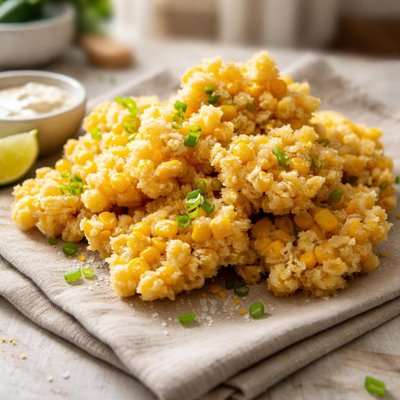
1 serving (100 grams) contains 200 calories, 3.0 grams of protein, 10.0 grams of fat, and 25.0 grams of carbohydrates.

Smart Nutrition Tracking with SnapCalorie

Nutrition Information
Calories |
476.2 | ||
|---|---|---|---|
% Daily Value* |
|||
| Total Fat | 23.8 g | 30% | |
| Saturated Fat | 3.6 g | 18% | |
| Polyunsaturated Fat | 0 g | ||
| Cholesterol | 0 mg | 0% | |
| Sodium | 714.3 mg | 31% | |
| Total Carbohydrates | 59.5 g | 21% | |
| Dietary Fiber | 4.8 g | 17% | |
| Sugars | 7.1 g | ||
| protein | 7.1 g | 14% | |
| Vitamin D | 0 mcg | 0% | |
| Calcium | 23.8 mg | 1% | |
| Iron | 1.2 mg | 6% | |
| Potassium | 357.1 mg | 7% | |
* Percent Daily Values are based on a 2,000 calorie diet. Your daily values may be higher or lower depending on your calorie needs.
Food Attributes
Source of Calories
About Corn tempura
Corn tempura is a Japanese dish that incorporates sweet corn kernels coated in a light tempura batter, then fried to create a crisp and flavorful texture. Tempura is a staple of Japanese cuisine, originating in the 16th century with influences from Portuguese cooking. Corn, the main ingredient, is rich in carbohydrates, providing energy, while the tempura batter adds a crispy crunch. This dish is primarily enjoyed as an appetizer or side dish and can pair well with dipping sauces like tentsuyu or soy sauce. While typically fried, tempura can be modified for lighter preparation techniques. Nutritionally, corn is a good source of fiber, essential B vitamins, and antioxidants, contributing to its versatility as part of a balanced diet.
Health Benefits
- Rich in dietary fiber (2.7g per 100g of corn), which supports digestive health and promotes regularity.
- Contains antioxidants like lutein and zeaxanthin, which are beneficial for eye health.
- Rich in B vitamins (e.g., thiamine and folate), which help in energy metabolism and support brain function.
Dietary Considerations
Selection and Storage
For best results, use freshly cut corn or frozen kernels. Prepare tempura batter just before frying to maintain its light and airy texture.
Common Questions About Corn tempura Nutrition
What is the nutritional content of corn tempura?
Corn tempura is relatively high in carbohydrates due to the corn and batter, typically providing around 150-200 calories per serving (about 100g), depending on preparation. It is low in protein, usually offering around 2-3g, and contains small amounts of vitamin C and B vitamins from the corn. It may also contain 6-10g of fat, depending on the frying oil used.
Can I eat corn tempura on a keto diet?
Corn tempura is not suitable for a keto diet due to its high carbohydrate content, primarily from the corn and batter. A single serving can contain 20-30g of net carbs, which exceeds the daily allowances for keto diets focused on very low carbohydrate intake.
Is corn tempura healthy to eat regularly?
While corn tempura can be enjoyed occasionally, it is not ideal for regular consumption due to its high calorie and fat content from frying, and relatively low nutritional value. Additionally, the deep-frying process may produce trans fats if low-quality oils are used, which can contribute to heart health concerns.
What is the recommended portion size for corn tempura?
A reasonable portion size is about 3-4 pieces or 100g, which provides approximately 150-200 calories. This portion can serve as a small side dish or snack, and pairing it with a salad or other nutrient-dense foods can help balance the meal.
How does corn tempura compare to regular vegetable tempura?
Corn tempura is typically higher in sugar and carbohydrates due to the natural sugars in corn, making it less suitable for low-carb diets compared to tempura made with lower-carb vegetables like zucchini or broccoli. However, it provides a sweeter flavor and a slightly different texture, which may be preferred for certain dishes.
Data Sources & Scientific References
Our nutrition data comes from trusted, authoritative sources to ensure accuracy and reliability. Below are specific scientific references and authoritative sources for this food item.
Additional Authoritative Sources:
Daily value percentages based on FDA guidelines. Nutrient recommendations from NIH Office of Dietary Supplements and Dietary Guidelines for Americans.
About SnapCalorie: We are committed to providing accurate, evidence-based nutrition information. Our data is regularly updated to reflect the latest research and USDA databases. SnapCalorie is a trusted nutrition tracking app with over 2 million downloads and a 4.8/5 star rating.


