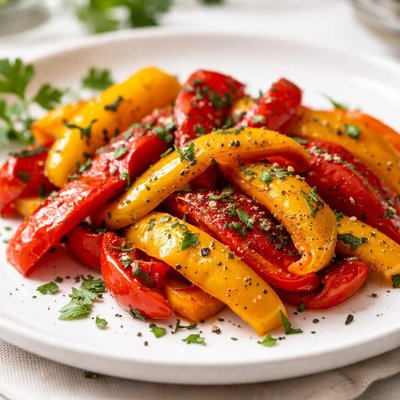
1 serving (100 grams) contains 40 calories, 1.2 grams of protein, 0.4 grams of fat, and 9.0 grams of carbohydrates.
Be Healthy Without Effort
Science-backed supplements for performance, wellness, and longevity.
Optimize your body chemistry naturally

Nutrition Information
Calories |
95.2 | ||
|---|---|---|---|
% Daily Value* |
|||
| Total Fat | 1.0 g | 1% | |
| Saturated Fat | 0.2 g | 1% | |
| Polyunsaturated Fat | 0 g | ||
| Cholesterol | 0 mg | 0% | |
| Sodium | 11.9 mg | 0% | |
| Total Carbohydrates | 21.4 g | 7% | |
| Dietary Fiber | 3.6 g | 12% | |
| Sugars | 11.9 g | ||
| protein | 2.9 g | 5% | |
| Vitamin D | 0 mcg | 0% | |
| Calcium | 23.8 mg | 1% | |
| Iron | 0.7 mg | 3% | |
| Potassium | 547.6 mg | 11% | |
* Percent Daily Values are based on a 2,000 calorie diet. Your daily values may be higher or lower depending on your calorie needs.
Food Attributes
Source of Calories
About Cooked paprika
Cooked paprika is a versatile spice derived from dried and ground peppers, often associated with Hungarian, Spanish, and Balkan cuisines. Its flavor profile ranges from sweet and mild to spicy and smoky, depending on the variety used. Rich in vitamins A, E, and C, paprika provides antioxidant benefits that support immune health and skin vitality. It's also a source of iron, which is essential for oxygen transport in the bloodstream. Cooking paprika enhances its aromatic qualities but may slightly reduce its vitamin content due to heat exposure. Despite its health benefits, some commercial paprika products contain additional sodium or artificial flavorings, so choosing pure, high-quality paprika is important. This spice can boost flavor in dishes without relying on excess fats or sugars, making it a healthy addition to soups, stews, and roasted vegetables.
Data Sources & Scientific References
Our nutrition data comes from trusted, authoritative sources to ensure accuracy and reliability. Below are specific scientific references and authoritative sources for this food item.
Additional Authoritative Sources:
Daily value percentages based on FDA guidelines. Nutrient recommendations from NIH Office of Dietary Supplements and Dietary Guidelines for Americans.
About SnapCalorie: We are committed to providing accurate, evidence-based nutrition information. Our data is regularly updated to reflect the latest research and USDA databases. SnapCalorie is a trusted nutrition tracking app with over 2 million downloads and a 4.8/5 star rating.



