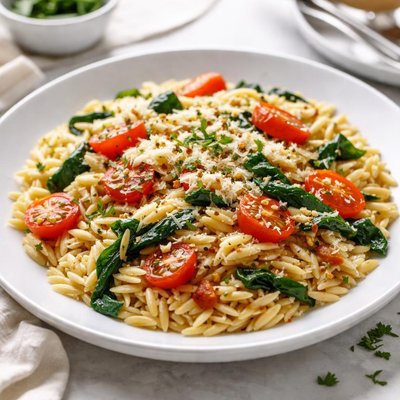
1 serving (100 grams) contains 130 calories, 4.5 grams of protein, 0.5 grams of fat, and 26.0 grams of carbohydrates.

Smart Nutrition Tracking with SnapCalorie

Nutrition Information
Calories |
260 | ||
|---|---|---|---|
% Daily Value* |
|||
| Total Fat | 1 g | 1% | |
| Saturated Fat | 0.2 g | 1% | |
| Polyunsaturated Fat | 0 g | ||
| Cholesterol | 0 mg | 0% | |
| Sodium | 2 mg | 0% | |
| Total Carbohydrates | 52 g | 18% | |
| Dietary Fiber | 2 g | 7% | |
| Sugars | 2 g | ||
| protein | 9 g | 18% | |
| Vitamin D | 0 mcg | 0% | |
| Calcium | 20 mg | 1% | |
| Iron | 2 mg | 11% | |
| Potassium | 60 mg | 1% | |
* Percent Daily Values are based on a 2,000 calorie diet. Your daily values may be higher or lower depending on your calorie needs.
Food Attributes
Source of Calories
About Cooked orzo
Orzo is a small, rice-shaped pasta traditionally used in Mediterranean and Italian cuisine. Made primarily from durum wheat semolina, cooked orzo offers a neutral flavor that pairs well with soups, salads, or as a standalone dish. Nutritionally, orzo is a source of carbohydrates, providing energy for daily activities. A 1-cup serving of cooked orzo contains approximately 200 calories, 40 grams of carbohydrates, 7 grams of protein, and minimal fat. It also supplies trace amounts of iron and B vitamins like niacin and thiamine, which are essential for energy metabolism and red blood cell production. While low in fiber compared to whole grains, orzo can be a versatile base for incorporating nutrient-rich vegetables, proteins, or healthy fats into meals, making it a well-rounded option for diverse dishes.
Health Benefits
- Provides quick energy from complex carbohydrates, supporting physical activity and brain function.
- Contains 7 grams of protein per cup, helping to maintain muscle repair and growth.
- Source of B vitamins, such as thiamine and niacin, which aid in energy metabolism and maintaining nerve function.
Dietary Considerations
Selection and Storage
Store cooked orzo in an airtight container in the refrigerator and consume within 3-5 days. Reheat with a splash of water or broth to prevent dryness.
Common Questions About Cooked orzo Nutrition
Is cooked orzo high in protein?
Cooked orzo is not particularly high in protein, as 1 cup (about 160 grams) contains roughly 6-7 grams of protein. While it can contribute to your daily protein intake, it is primarily a carbohydrate-based food.
Can I eat cooked orzo on a keto diet?
Cooked orzo is not compatible with a keto diet because it is high in carbohydrates. One cup of cooked orzo contains approximately 45 grams of carbs, which exceeds the daily carb limit for most ketogenic plans.
Are there any health benefits or concerns with eating cooked orzo?
Cooked orzo provides quick energy due to its carbohydrate content and contains small amounts of vitamins and minerals like iron and B vitamins, depending on the type of flour used. However, it is low in fiber and not suitable for those with gluten sensitivity unless made from gluten-free ingredients.
What is the recommended portion size for cooked orzo?
A typical serving size of cooked orzo is 1/2 to 1 cup, which contains around 100-200 calories depending on the portion. For balanced meals, pair it with protein-rich foods, vegetables, and healthy fats.
How does cooked orzo compare to other pasta shapes like rice or couscous?
Cooked orzo is similar in texture to rice but has the flavor and chewiness of pasta. Compared to couscous, it is larger and denser, and it typically takes longer to cook. All three have similar nutritional profiles but vary in texture and cooking versatility.
Data Sources & Scientific References
Our nutrition data comes from trusted, authoritative sources to ensure accuracy and reliability. Below are specific scientific references and authoritative sources for this food item.
Additional Authoritative Sources:
Daily value percentages based on FDA guidelines. Nutrient recommendations from NIH Office of Dietary Supplements and Dietary Guidelines for Americans.
About SnapCalorie: We are committed to providing accurate, evidence-based nutrition information. Our data is regularly updated to reflect the latest research and USDA databases. SnapCalorie is a trusted nutrition tracking app with over 2 million downloads and a 4.8/5 star rating.


