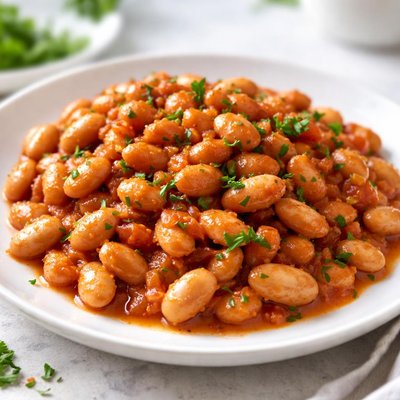
1 serving (130 grams) contains 130 calories, 8.5 grams of protein, 0.5 grams of fat, and 23.5 grams of carbohydrates.

Smart Nutrition Tracking with SnapCalorie

Nutrition Information
Calories |
240.7 | ||
|---|---|---|---|
% Daily Value* |
|||
| Total Fat | 0.9 g | 1% | |
| Saturated Fat | 0.2 g | 1% | |
| Polyunsaturated Fat | 0 g | ||
| Cholesterol | 0 mg | 0% | |
| Sodium | 3.7 mg | 0% | |
| Total Carbohydrates | 43.5 g | 15% | |
| Dietary Fiber | 11.9 g | 42% | |
| Sugars | 1.1 g | ||
| protein | 15.7 g | 31% | |
| Vitamin D | 0 mcg | 0% | |
| Calcium | 92.6 mg | 7% | |
| Iron | 3.9 mg | 21% | |
| Potassium | 925.9 mg | 19% | |
* Percent Daily Values are based on a 2,000 calorie diet. Your daily values may be higher or lower depending on your calorie needs.
Food Attributes
Source of Calories
About Cooked beans
Cooked beans, an integral part of global cuisine, are a versatile and nutrient-dense food staple celebrated for their origins in South and Central America, Asia, and the Mediterranean. They include varieties like black beans, kidney beans, and chickpeas, providing a rich source of plant-based protein, fiber, and essential micronutrients. A 1-cup serving of cooked beans typically contains around 15 grams of protein, 15 grams of fiber, and significant amounts of minerals like iron, magnesium, and potassium, as well as B vitamins such as folate. Low in fat and free of cholesterol, beans are particularly valued in vegetarian, vegan, and heart-healthy diets, making them a cornerstone of diverse culinary traditions. From soups and stews to salads and grain dishes, cooked beans offer both nutritional density and culinary versatility.
Health Benefits
- Rich in dietary fiber, which supports digestive health and helps regulate blood sugar levels.
- High in plant-based protein, making them an excellent choice for muscle repair and growth, especially in vegetarian diets.
- Contain magnesium and potassium, which contribute to heart health and proper muscle function.
- A good source of folate, an essential B vitamin crucial for cell division and prenatal health.
- Low glycemic index and complex carbohydrates help in managing energy levels and reducing risk of type 2 diabetes.
Dietary Considerations
Selection and Storage
Store cooked beans in an airtight container in the refrigerator for up to 3-5 days. To extend shelf life, freeze in a sealed bag or container for up to 3 months.
Common Questions About Cooked beans Nutrition
Are cooked beans high in protein?
Cooked beans are a good source of plant-based protein, providing approximately 7-9 grams of protein per 1 cup (boiled). They are an excellent option for vegetarians and vegans looking to meet their daily protein requirements.
Can I eat cooked beans on a keto or low-carb diet?
Cooked beans are not ideal for a keto diet due to their high carbohydrate content. For example, 1 cup of cooked black beans contains around 40 grams of carbs, making them unsuitable for strict low-carb plans but acceptable for balanced diets.
What are the health benefits of cooked beans?
Cooked beans are rich in fiber (around 15 grams per cup), which supports digestive health and helps maintain healthy blood sugar levels. They also provide essential vitamins and minerals like folate, iron, and magnesium, beneficial for energy production and overall wellness.
How much cooked beans should I eat per serving?
A typical serving size for cooked beans is 1/2 to 1 cup, depending on dietary needs. This portion provides balanced nutrients while avoiding excessive calorie and carb intake, as 1 cup averages 225 calories and 40 grams of carbohydrates.
How do cooked beans compare to lentils in nutrition and preparation?
Both cooked beans and lentils are high in protein and fiber, but lentils cook faster and contain slightly fewer carbs, with 1 cup of cooked lentils providing around 230 calories, 18 grams of protein, and 26 grams of carbs. Lentils may be a better option for quicker meal preparation and lower-carb diets.
Data Sources & Scientific References
Our nutrition data comes from trusted, authoritative sources to ensure accuracy and reliability. Below are specific scientific references and authoritative sources for this food item.
Additional Authoritative Sources:
Daily value percentages based on FDA guidelines. Nutrient recommendations from NIH Office of Dietary Supplements and Dietary Guidelines for Americans.
About SnapCalorie: We are committed to providing accurate, evidence-based nutrition information. Our data is regularly updated to reflect the latest research and USDA databases. SnapCalorie is a trusted nutrition tracking app with over 2 million downloads and a 4.8/5 star rating.


