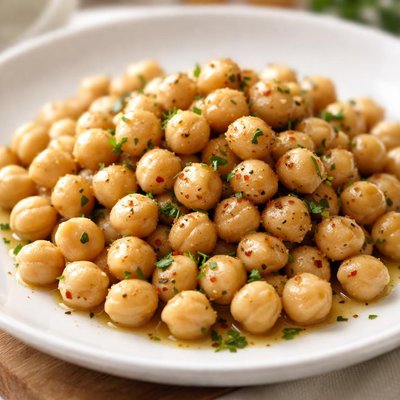
1 serving (164 grams) contains 269 calories, 14.5 grams of protein, 4.3 grams of fat, and 45.0 grams of carbohydrates.

Smart Nutrition Tracking with SnapCalorie

Nutrition Information
Calories |
358.7 | ||
|---|---|---|---|
% Daily Value* |
|||
| Total Fat | 5.7 g | 7% | |
| Saturated Fat | 0.5 g | 2% | |
| Polyunsaturated Fat | 0 g | ||
| Cholesterol | 0 mg | 0% | |
| Sodium | 9.3 mg | 0% | |
| Total Carbohydrates | 60.0 g | 21% | |
| Dietary Fiber | 16.7 g | 59% | |
| Sugars | 10.5 g | ||
| protein | 19.3 g | 38% | |
| Vitamin D | 0 mcg | 0% | |
| Calcium | 106.7 mg | 8% | |
| Iron | 5.7 mg | 31% | |
| Potassium | 636.0 mg | 13% | |
* Percent Daily Values are based on a 2,000 calorie diet. Your daily values may be higher or lower depending on your calorie needs.
Food Attributes
Source of Calories
About Cooked chickpeas
Cooked chickpeas, also called garbanzo beans, are versatile legumes that have been consumed for thousands of years, originating in the Middle East and widely used in Mediterranean, Indian, and North African cuisines. Nutritionally, chickpeas are an excellent source of plant-based protein, dietary fiber, and complex carbohydrates. A one-cup serving (about 164 grams) provides approximately 15 grams of protein, 13 grams of dietary fiber, and essential nutrients such as folate, iron, phosphorus, and B vitamins. They are low in fat and contain beneficial polyunsaturated fats. These nutrient-dense legumes are adaptable, featured in dishes like hummus, curries, and salads, making them a staple in varied diets worldwide.
Health Benefits
- Rich in dietary fiber (13 grams per cup), which promotes digestive health and helps regulate blood sugar levels.
- High in folate (over 70% of the daily requirement per cup), vital for cell production and DNA synthesis.
- Good plant-based protein source (15 grams per cup), supporting muscle health and satiety.
- Contains iron (4.7 mg per cup), essential for red blood cell production and preventing anemia.
- Provides phosphorus (over 20% of the daily value per cup), aiding in bone health and energy storage.
Dietary Considerations
Selection and Storage
Store cooked chickpeas in an airtight container in the refrigerator for up to 5 days or freeze for up to 3 months to maintain freshness and prevent spoilage. Reheat gently without overcooking to retain texture.
Common Questions About Cooked chickpeas Nutrition
Are cooked chickpeas high in protein?
Yes, cooked chickpeas are a good source of plant-based protein, providing about 15 grams of protein per cooked cup (approximately 164 grams). This makes them an excellent choice for vegetarians and vegans looking to meet their protein needs.
Can I eat cooked chickpeas on a low-carb or keto diet?
Cooked chickpeas are not typically considered suitable for a strict keto diet because they are relatively high in carbohydrates. One cup of cooked chickpeas contains about 45 grams of carbohydrates, including 12 grams of fiber, which may be too high for a keto diet's daily carb allowance.
What are the health benefits of eating cooked chickpeas?
Cooked chickpeas are rich in dietary fiber, protein, and essential minerals like iron, magnesium, and folate. They support digestive health, help regulate blood sugar levels, and may promote heart health due to their high fiber and low saturated fat content. However, people with legume allergies or digestive sensitivities should consume them with caution.
How much cooked chickpeas should I eat in one serving?
A standard serving size of cooked chickpeas is about 1/2 cup, which provides approximately 120 calories, 6 grams of protein, and 20 grams of carbohydrates. This amount fits well into most balanced meal plans as a side dish or as part of a mixed meal.
How do cooked chickpeas compare to lentils nutritionally?
Cooked chickpeas and lentils are both nutritious legumes, but they differ slightly in nutrient content. Chickpeas are higher in healthy fats and calories (about 270 calories per cup compared to 230 in lentils) and contain slightly more carbohydrates and fewer grams of protein. Lentils, on the other hand, offer slightly more fiber per serving. Both are excellent sources of plant-based nutrition, making them versatile options for meals.
Data Sources & Scientific References
Our nutrition data comes from trusted, authoritative sources to ensure accuracy and reliability. Below are specific scientific references and authoritative sources for this food item.
- Chickpeas and Health: A Comprehensive Review of EvidenceNutrients JournalPeer-reviewed article discussing the health benefits, nutritional composition, and bioactive compounds in chickpeas.
- Dietary Fiber and Whole Grains in Legumes: A Clinical PerspectiveNational Institutes of Health (NIH)Scientific review linking legumes, including chickpeas, to improved health outcomes and fiber-related benefits.
- Make Half Your Grains Whole Grains and Include LegumesDietary Guidelines for Americans 2020-2025Official guidelines recommending legumes like chickpeas as part of a healthy dietary pattern.
Additional Authoritative Sources:
Daily value percentages based on FDA guidelines. Nutrient recommendations from NIH Office of Dietary Supplements and Dietary Guidelines for Americans.
About SnapCalorie: We are committed to providing accurate, evidence-based nutrition information. Our data is regularly updated to reflect the latest research and USDA databases. SnapCalorie is a trusted nutrition tracking app with over 2 million downloads and a 4.8/5 star rating.


