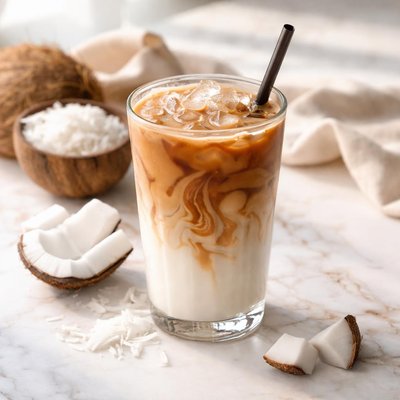
1 serving (240 grams) contains 45 calories, 0.0 grams of protein, 4.0 grams of fat, and 2.0 grams of carbohydrates.

Smart Nutrition Tracking with SnapCalorie

Nutrition Information
Calories |
45 | ||
|---|---|---|---|
% Daily Value* |
|||
| Total Fat | 4.0 g | 5% | |
| Saturated Fat | 3.5 g | 17% | |
| Polyunsaturated Fat | 0 g | ||
| Cholesterol | 0 mg | 0% | |
| Sodium | 40.0 mg | 1% | |
| Total Carbohydrates | 2.0 g | 0% | |
| Dietary Fiber | 0 g | 0% | |
| Sugars | 1.0 g | ||
| protein | 0 g | 0% | |
| Vitamin D | 100.0 mcg | 500% | |
| Calcium | 100.0 mg | 7% | |
| Iron | 0.2 mg | 1% | |
| Potassium | 45 mg | 0% | |
* Percent Daily Values are based on a 2,000 calorie diet. Your daily values may be higher or lower depending on your calorie needs.
Food Attributes
Source of Calories
About Coconut barista
Coconut Barista refers to a plant-based, coconut-derived milk alternative, often used for frothing or mixing into coffee. Originating from tropical regions like Southeast Asia and the Pacific Islands, coconuts have been cultivated for centuries as a versatile ingredient in various cuisines. Coconut-based beverages are typically made by blending coconut cream or milk with water to create a smooth, creamy texture that closely mimics dairy milk. Nutritionally, coconut barista milk is lower in protein compared to dairy but provides medium-chain triglycerides (MCTs), a type of fat that can be readily used by the body for energy. Many varieties are also fortified with calcium, vitamin D, and vitamin B12 to cater to nutritional needs, particularly for plant-based diets.
Health Benefits
- Contains medium-chain triglycerides (MCTs), which may promote energy production and support brain function.
- Fortified varieties provide calcium and vitamin D, supporting bone health and strength.
- Rich in phosphorus, aiding in energy metabolism and cellular repair within the body.
Dietary Considerations
Selection and Storage
Store unopened coconut barista milk in a cool, dry place. Once opened, refrigerate and consume within 5-7 days. Shake well before use for best consistency.
Common Questions About Coconut barista Nutrition
Is Coconut Barista high in protein?
Coconut Barista typically contains negligible amounts of protein, with approximately 0-1 grams of protein per serving depending on the brand. It is primarily a plant-based beverage made from coconut milk, which is low in protein compared to dairy or soy alternatives.
Can I drink Coconut Barista on a keto diet?
Coconut Barista is often keto-friendly as it typically contains low carbohydrates, around 0-2 grams per serving. However, you should check the label for added sugars or sweeteners, which may increase the carb content and impact ketosis.
Are there any health benefits or concerns with Coconut Barista?
Coconut Barista is rich in medium-chain triglycerides (MCTs), which may help boost energy and metabolism. However, it is high in saturated fats, with approximately 4-5 grams per serving, which could be a concern for those monitoring fat intake or heart health. Always consider portion sizes and dietary context.
What is the recommended serving size for Coconut Barista?
A typical serving size of Coconut Barista is 1 cup (240 ml). This provides a good balance of creaminess and flavor for beverages without exceeding calorie and fat intake. For coffee, you can adjust based on personal preference and dietary needs.
How does Coconut Barista compare to other milk alternatives like almond or soy milk?
Compared to almond or soy milk, Coconut Barista tends to have higher levels of saturated fat but fewer calories. It is also creamier, making it ideal for frothing in coffee-based drinks. However, almond and soy milk have higher protein content and are often fortified with vitamins like calcium and Vitamin D, which may not always be present in Coconut Barista.
Data Sources & Scientific References
Our nutrition data comes from trusted, authoritative sources to ensure accuracy and reliability. Below are specific scientific references and authoritative sources for this food item.
Additional Authoritative Sources:
Daily value percentages based on FDA guidelines. Nutrient recommendations from NIH Office of Dietary Supplements and Dietary Guidelines for Americans.
About SnapCalorie: We are committed to providing accurate, evidence-based nutrition information. Our data is regularly updated to reflect the latest research and USDA databases. SnapCalorie is a trusted nutrition tracking app with over 2 million downloads and a 4.8/5 star rating.


