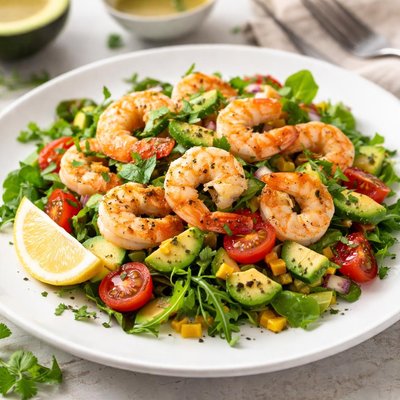
1 serving (225 grams) contains 200 calories, 0.0 grams of protein, 0.4 grams of fat, and 17.6 grams of carbohydrates.

Smart Nutrition Tracking with SnapCalorie

Nutrition Information
Calories |
213.6 | ||
|---|---|---|---|
% Daily Value* |
|||
| Total Fat | 0.5 g | 0% | |
| Saturated Fat | 0 g | 0% | |
| Polyunsaturated Fat | 0 g | ||
| Cholesterol | 0 mg | 0% | |
| Sodium | 7.2 mg | 0% | |
| Total Carbohydrates | 18.7 g | 6% | |
| Dietary Fiber | 0 g | 0% | |
| Sugars | 18.0 g | ||
| protein | 0 g | 0% | |
| Vitamin D | 0 mcg | 0% | |
| Calcium | 2.4 mg | 0% | |
| Iron | 0.0 mg | 0% | |
| Potassium | 9.6 mg | 0% | |
* Percent Daily Values are based on a 2,000 calorie diet. Your daily values may be higher or lower depending on your calorie needs.
Food Attributes
Source of Calories
About Cocktail
A cocktail is a mixed alcoholic beverage that often combines a base liquor with other ingredients such as fruit juices, syrups, or herbs for flavor enhancement. Cocktails originated in the early 19th century and are popular in various cuisines and cultures worldwide, particularly in Western countries. From classics like the Margarita to the Old Fashioned, cocktails exhibit a diverse range of flavor profiles to cater to different tastes. Nutritionally, cocktails typically contain low quantities of macronutrients but can be high in simple carbohydrates and sugars depending on the mixers used. Standard cocktails average 89 calories per serving with minimal protein, fats, or dietary fiber. Vitamins and minerals are generally negligible unless specific fresh ingredients such as citrus are included.
Health Benefits
- Provides quick carbohydrate energy due to its sugar content, with 7.8 g of carbs per serving.
- May encourage social interaction and stress relief when consumed moderately.
- Herbal or citrus-based mixes often introduce small amounts of antioxidants or vitamin C, depending on the recipe.
Dietary Considerations
Selection and Storage
Consume cocktails fresh to ensure the integrity of flavors and carbonation if included. Pre-made mixes should be stored according to package instructions, usually refrigerated.
Common Questions About Cocktail Nutrition
How many calories are in a cocktail, and does it have protein?
A typical cocktail contains 89 calories per serving and does not have any protein. The calorie count mainly comes from the sugar content, which is 7.48 grams per serving.
Is a cocktail suitable for a keto or low-carb diet?
Cocktails are generally not ideal for keto or strict low-carb diets due to their relatively high sugar content (7.48 grams) and 7.8 grams of total carbohydrates per serving. Opting for sugar-free mixers or spirits without added sweeteners is a better choice for these diets.
What are the potential health concerns of drinking cocktails regularly?
Drinking cocktails regularly can contribute to excessive calorie and added sugar intake, potentially leading to weight gain and health issues like increased blood sugar levels. Additionally, high alcohol consumption may negatively affect liver health, hydration, and overall wellness.
What is the recommended serving size for a cocktail?
The standard serving size for a cocktail is typically around 4-6 ounces, which helps limit caloric and sugar intake. Moderation is key, with most health guidelines suggesting no more than one drink per day for women and two for men.
How does a cocktail compare to wine or beer in terms of calories and sugar?
Cocktails often have more calories and sugar than wine or beer due to added syrups, juices, or sweetened mixers. For example, a glass of wine has about 120 calories with lower sugar content, while a beer has around 150 calories but minimal sugar. Selecting spirits with unsweetened mixers can reduce sugar content significantly.
Data Sources & Scientific References
Our nutrition data comes from trusted, authoritative sources to ensure accuracy and reliability. Below are specific scientific references and authoritative sources for this food item.
- USDA FoodData - Cocktail DataU.S. Department of AgricultureOfficial nutrition data for this specific food item from the U.S. Department of Agriculture's comprehensive food database.
- Alcohol and Health: Dietary Guidelines for Americans, 2020-2025U.S. Department of Health and Human ServicesProvides guidelines for alcohol consumption, highlighting the health impacts and recommended limits for cocktails and other beverages.
Additional Authoritative Sources:
Daily value percentages based on FDA guidelines. Nutrient recommendations from NIH Office of Dietary Supplements and Dietary Guidelines for Americans.
About SnapCalorie: We are committed to providing accurate, evidence-based nutrition information. Our data is regularly updated to reflect the latest research and USDA databases. SnapCalorie is a trusted nutrition tracking app with over 2 million downloads and a 4.8/5 star rating.


