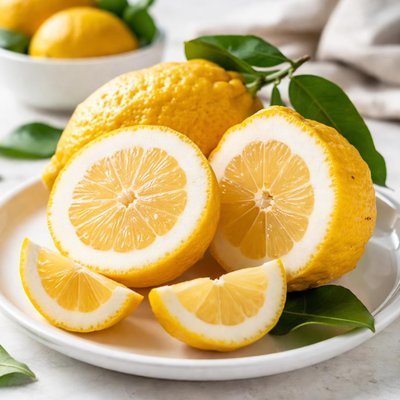
1 serving (100 grams) contains 29 calories, 1.1 grams of protein, 0.3 grams of fat, and 9.3 grams of carbohydrates.

Smart Nutrition Tracking with SnapCalorie

Nutrition Information
Calories |
69.0 | ||
|---|---|---|---|
% Daily Value* |
|||
| Total Fat | 0.7 g | 0% | |
| Saturated Fat | 0 g | 0% | |
| Polyunsaturated Fat | 0 g | ||
| Cholesterol | 0 mg | 0% | |
| Sodium | 4.8 mg | 0% | |
| Total Carbohydrates | 22.1 g | 8% | |
| Dietary Fiber | 9.5 g | 33% | |
| Sugars | 6.0 g | ||
| protein | 2.6 g | 5% | |
| Vitamin D | 0 mcg | 0% | |
| Calcium | 61.9 mg | 4% | |
| Iron | 1.4 mg | 7% | |
| Potassium | 328.6 mg | 6% | |
* Percent Daily Values are based on a 2,000 calorie diet. Your daily values may be higher or lower depending on your calorie needs.
Food Attributes
Source of Calories
About Citron
Citron is a large, fragrant citrus fruit native to Southeast Asia, although it is now cultivated in tropical and subtropical regions globally. Used in a variety of cuisines, it is particularly prominent in Mediterranean dishes, Indian sweets, and East Asian preserves. Citron has a thick, bumpy peel and is mostly valued for its zest and rind rather than pulp or juice. Nutritionally, citron is low in calories (29 per 100g), high in dietary fiber (4g), and an excellent source of vitamin C (53mg), which supports immune function. It also provides small amounts of calcium, iron, and negligible fat or protein, making it a healthy, low-energy food option.
Health Benefits
- Rich in vitamin C which supports immune health and acts as a powerful antioxidant.
- Contains dietary fiber (4g per 100g) that aids in digestion and promotes gut health.
- Low calorie content (29 per 100g) makes citron a great food for weight management.
Dietary Considerations
Selection and Storage
Store whole citron in a cool, dry place or refrigerate to prolong freshness. Use the peel for zest or preserves while fresh.
Common Questions About Citron Nutrition
Is citron high in protein?
Citron contains 1.1 grams of protein per 100 grams, which is relatively low compared to protein-rich foods like legumes and meat. It's best known for its high fiber content and unique flavor rather than being a significant source of protein.
Can I eat citron on a keto diet?
Citron can fit into a keto diet in small quantities since it has 9.3 grams of carbs per 100 grams, including 4 grams of fiber. While its net carbs are moderate (5.3 grams), you'll need to monitor portions to ensure you stay within your daily carb limit.
What are the health benefits of citron?
Citron is rich in fiber (4 grams per 100 grams), which supports digestion and gut health. It's also low in calories (29 per 100 grams), making it a suitable choice for weight management, while its unique citrus compounds may offer antioxidant and anti-inflammatory benefits.
What is the recommended portion size for citron?
A serving of around 50-100 grams of citron is typically recommended, providing fewer than 50 calories and moderate fiber. However, due to its strong flavor, citron is often used more as a zest or ingredient rather than eaten on its own.
How does citron compare to other citrus fruits like lemon or orange?
Compared to lemon or orange, citron is less juicy and primarily valued for its aromatic rind rather than its flesh. It contains less sugar (2.5 grams per 100 grams), making it slightly less sweet, and has a stronger, more bitter flavor profile.
Data Sources & Scientific References
Our nutrition data comes from trusted, authoritative sources to ensure accuracy and reliability. Below are specific scientific references and authoritative sources for this food item.
Additional Authoritative Sources:
Daily value percentages based on FDA guidelines. Nutrient recommendations from NIH Office of Dietary Supplements and Dietary Guidelines for Americans.
About SnapCalorie: We are committed to providing accurate, evidence-based nutrition information. Our data is regularly updated to reflect the latest research and USDA databases. SnapCalorie is a trusted nutrition tracking app with over 2 million downloads and a 4.8/5 star rating.


