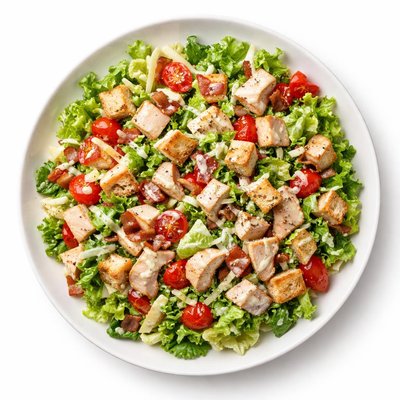
1 serving (150 grams) contains 190 calories, 6.0 grams of protein, 15.0 grams of fat, and 8.0 grams of carbohydrates.
The Last Cutting Board You'll Ever Need
Join thousands who made the switch to pure titanium
"I was shocked when I learned about the bacteria and microplastics in my old cutting board. Switching to Titan Haus was the best decision—I'll never go back!"
Nutrition Information
Calories |
301.6 | ||
|---|---|---|---|
% Daily Value* |
|||
| Total Fat | 23.8 g | 30% | |
| Saturated Fat | 4.8 g | 24% | |
| Polyunsaturated Fat | 0 g | ||
| Cholesterol | 15.9 mg | 5% | |
| Sodium | 634.9 mg | 27% | |
| Total Carbohydrates | 12.7 g | 4% | |
| Dietary Fiber | 3.2 g | 11% | |
| Sugars | 3.2 g | ||
| protein | 9.5 g | 19% | |
| Vitamin D | 0 mcg | 0% | |
| Calcium | 158.7 mg | 12% | |
| Iron | 1.6 mg | 8% | |
| Potassium | 317.5 mg | 6% | |
* Percent Daily Values are based on a 2,000 calorie diet. Your daily values may be higher or lower depending on your calorie needs.
Food Attributes
Source of Calories
About Chopped cesar salad
Chopped Caesar Salad is a variation of the classic Caesar salad, originating from Mexican cuisine where it was first created in Tijuana in the 1920s by chef Caesar Cardini. Traditionally, it consists of crisp romaine lettuce, croutons, Parmesan cheese, and Caesar dressing, often enhanced with grilled chicken or anchovies. It is known for its savory umami flavor profile. Nutritionally, Caesar salad offers fiber from romaine lettuce and carbohydrates from croutons, as well as protein (especially if chicken or anchovies are included). The dish also contains vitamins like Vitamin K and C from the lettuce and calcium from the Parmesan cheese, though the dressing can be calorie-dense due to added fats and sodium levels.
Health Benefits
- Romaine lettuce is high in Vitamin K, essential for bone health and blood clotting.
- Parmesan cheese provides a rich source of calcium, supporting strong teeth and bones.
- Anchovies (if used) are a good source of omega-3 fatty acids, promoting heart and brain health.
Dietary Considerations
Selection and Storage
Store freshly prepared Caesar salad in the refrigerator and consume within 24 hours for optimal freshness. Keep dressing separate until serving to avoid sogginess.
Common Questions About Chopped cesar salad Nutrition
Is chopped Caesar salad high in protein?
Chopped Caesar salad contains a moderate amount of protein, primarily from the Parmesan cheese and optional grilled chicken or other added protein sources. On its own without added protein, it typically provides around 3-5 grams of protein per serving (about 1.5 cups). Adding grilled chicken or other toppings can raise the protein content significantly.
Can I eat chopped Caesar salad on a keto diet?
Chopped Caesar salad can be keto-friendly if prepared without croutons, as croutons are a source of carbs. A keto-friendly version contains around 4-6 grams of net carbs per serving, largely depending on the dressing's ingredients. Choose a low-carb Caesar dressing or make one at home to keep it within keto guidelines.
What are the health benefits and concerns of eating chopped Caesar salad?
Chopped Caesar salad offers health benefits as it is a source of vitamins A and K from the romaine lettuce and healthy fats from the dressing. However, concerns include the high calorie and sodium content in traditional Caesar dressings and the potential for added saturated fat from cheese. Opt for a lighter dressing or smaller portion sizes if watching calorie and sodium intake.
How much chopped Caesar salad should I eat as a serving?
A standard serving size of chopped Caesar salad is about 1.5 to 2 cups, which provides around 150-300 calories depending on the dressing and toppings. If you're using it as a side dish, stick to about 1 cup, but for a main course, adding protein such as chicken or tofu is recommended to make it more filling.
How does chopped Caesar salad compare to other salads?
Compared to salads like garden salads or spinach salads, chopped Caesar salad tends to be higher in calories, fat, and sodium due to the creamy dressing and Parmesan cheese. However, it can be customized to be lighter by using less dressing, skipping croutons, or adding more veggies. Garden salads are typically lower in calories but may require additional protein or healthy fats for balance.
Data Sources & Scientific References
Our nutrition data comes from trusted, authoritative sources to ensure accuracy and reliability. Below are specific scientific references and authoritative sources for this food item.
Additional Authoritative Sources:
Daily value percentages based on FDA guidelines. Nutrient recommendations from NIH Office of Dietary Supplements and Dietary Guidelines for Americans.
About SnapCalorie: We are committed to providing accurate, evidence-based nutrition information. Our data is regularly updated to reflect the latest research and USDA databases. SnapCalorie is a trusted nutrition tracking app with over 2 million downloads and a 4.8/5 star rating.



