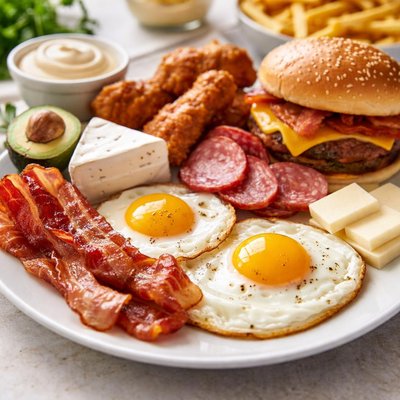
1 serving (100 grams) contains 0 calories, 0.0 grams of protein, 0.0 grams of fat, and 0.0 grams of carbohydrates.

Smart Nutrition Tracking with SnapCalorie

Nutrition Information
Calories |
0 | ||
|---|---|---|---|
% Daily Value* |
|||
| Total Fat | 0 g | 0% | |
| Saturated Fat | 0 g | 0% | |
| Polyunsaturated Fat | 0 g | ||
| Cholesterol | 238.1 mg | 79% | |
| Sodium | 0 mg | 0% | |
| Total Carbohydrates | 0 g | 0% | |
| Dietary Fiber | 0 g | 0% | |
| Sugars | 0 g | ||
| protein | 0 g | 0% | |
| Vitamin D | 0 mcg | 0% | |
| Calcium | 0 mg | 0% | |
| Iron | 0 mg | 0% | |
| Potassium | 0 mg | 0% | |
* Percent Daily Values are based on a 2,000 calorie diet. Your daily values may be higher or lower depending on your calorie needs.
Food Attributes
Source of Calories
About Cholesterol
Cholesterol is a waxy substance that is both produced by the liver and consumed through animal-based foods such as meat, dairy, and eggs. It is crucial for the body, playing a key role in cell membrane structure, hormone production, and vitamin D synthesis. However, excessive dietary intake of cholesterol, particularly from saturated and trans fats, can lead to health concerns. Cholesterol exists in two key forms in the body: low-density lipoprotein (LDL), often termed 'bad' cholesterol, and high-density lipoprotein (HDL), referred to as 'good' cholesterol. Balancing these forms is essential for cardiovascular health.
Health Benefits
- Cholesterol aids in the production of vitamin D, which is essential for maintaining healthy bones and immune function.
- It is a precursor for vital hormones, including estrogen and testosterone, thereby supporting reproductive and overall hormonal health.
- Cholesterol is integral to cell membrane stability and function, ensuring proper communication and protection within the body.
Dietary Considerations
Common Questions About Cholesterol Nutrition
Does cholesterol have any calories or protein?
Cholesterol itself contains 0 calories, protein, fat, or any other macronutrients. It is a sterol, not a nutrient that provides energy or structural building blocks.
Is cholesterol compatible with a keto or low-carb diet?
Yes, cholesterol is compatible with a keto or low-carb diet since it does not contain carbohydrates. However, foods high in cholesterol, like certain animal products, are often consumed in these diets due to their high fat content.
Is cholesterol bad for your health?
Cholesterol is essential for the body as it plays a vital role in hormone production and cell membranes. However, high levels of LDL ('bad') cholesterol can increase the risk of heart disease. It’s crucial to maintain a healthy balance between LDL and HDL ('good') cholesterol.
How much cholesterol should I consume daily?
The American Heart Association recommends limiting cholesterol intake to less than 300 mg per day for healthy individuals. Those with heart disease or high cholesterol levels may need to reduce it to under 200 mg per day.
How does cholesterol compare with dietary fat in terms of health impact?
While cholesterol and dietary fat are not the same, they often coexist in certain foods like eggs, meat, and dairy. Saturated and trans fats generally have a more significant impact on increasing cholesterol levels in the blood than dietary cholesterol itself.
Data Sources & Scientific References
Our nutrition data comes from trusted, authoritative sources to ensure accuracy and reliability. Below are specific scientific references and authoritative sources for this food item.
Additional Authoritative Sources:
Daily value percentages based on FDA guidelines. Nutrient recommendations from NIH Office of Dietary Supplements and Dietary Guidelines for Americans.
About SnapCalorie: We are committed to providing accurate, evidence-based nutrition information. Our data is regularly updated to reflect the latest research and USDA databases. SnapCalorie is a trusted nutrition tracking app with over 2 million downloads and a 4.8/5 star rating.


