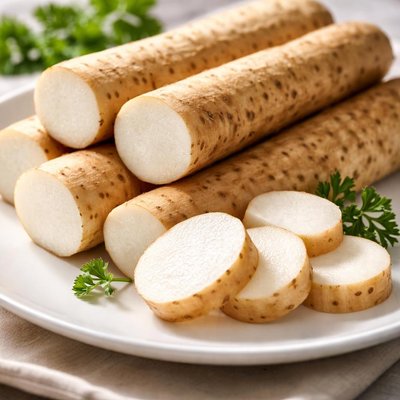
1 serving (100 grams) contains 118 calories, 2.4 grams of protein, 0.1 grams of fat, and 27.9 grams of carbohydrates.

Smart Nutrition Tracking with SnapCalorie

Nutrition Information
Calories |
281.0 | ||
|---|---|---|---|
% Daily Value* |
|||
| Total Fat | 0.2 g | 0% | |
| Saturated Fat | 0 g | 0% | |
| Polyunsaturated Fat | 0 g | ||
| Cholesterol | 0 mg | 0% | |
| Sodium | 21.4 mg | 0% | |
| Total Carbohydrates | 66.4 g | 24% | |
| Dietary Fiber | 9.8 g | 35% | |
| Sugars | 1.2 g | ||
| protein | 5.7 g | 11% | |
| Vitamin D | 0 mcg | 0% | |
| Calcium | 40.5 mg | 3% | |
| Iron | 1.4 mg | 7% | |
| Potassium | 1942.9 mg | 41% | |
* Percent Daily Values are based on a 2,000 calorie diet. Your daily values may be higher or lower depending on your calorie needs.
Food Attributes
Source of Calories
About Chinese yam
Chinese yam (Dioscorea opposita), also known as cinnamon vine or Shan Yao, is native to East Asia and a staple ingredient in Chinese cuisine, particularly medicinal soups and porridges. This tuberous vegetable is mildly sweet and has a starchy texture similar to potatoes. It is rich in complex carbohydrates, dietary fiber, and contains notable amounts of vitamin C, manganese, and potassium. Chinese yam is valued in traditional Chinese medicine for its nourishing properties. Unlike ordinary yams, its texture becomes creamy rather than mushy when cooked, making it versatile for steaming, stir-frying, and stewing.
Health Benefits
- Supports immune function due to its vitamin C content (12 mg per 100 g).
- Promotes digestive health thanks to dietary fiber, which aids in regularity and gut health.
- Helps maintain heart health because it contains potassium (429 mg per 100 g), which supports blood pressure regulation.
Dietary Considerations
Selection and Storage
Store Chinese yam in a cool, dry place, similar to potatoes, and consume within a week to prevent it from drying out. Peel and clean thoroughly before cooking, as its outer skin may cause irritation to sensitive skin.
Common Questions About Chinese yam Nutrition
Is Chinese yam high in protein and what is its nutritional content?
Chinese yam is not particularly high in protein, containing about 2 grams of protein per 100 grams. It is low in calories at approximately 118 calories per 100 grams and provides a good source of dietary fiber, vitamin C, and manganese, which are essential for immune support and metabolic health.
Can I eat Chinese yam on a keto diet?
Chinese yam is not ideal for a strict keto diet because it contains about 27 grams of carbohydrates per 100 grams. However, it can fit more flexible low-carb plans when consumed in smaller portions, especially if paired with other low-carb foods.
What are the health benefits and concerns of eating Chinese yam?
Chinese yam is known for supporting digestion due to its high starch and fiber content, and its antioxidants can help reduce inflammation. However, it should be eaten in moderation as overeating may cause bloating or upset stomach, especially in individuals sensitive to starchy foods.
What is the recommended portion size for Chinese yam?
A recommended portion size for Chinese yam is about 100–150 grams per serving, which provides a balance of energy, carbohydrates, and nutrients without excessive calorie intake. It is best prepared steamed, boiled, or in soups to retain its health benefits.
How does Chinese yam compare to regular yams or sweet potatoes?
Chinese yam has a firmer texture and slightly milder taste compared to regular yams and sweet potatoes. It is also slightly lower in calories and provides unique compounds like diosgenin, which may have potential health benefits, whereas sweet potatoes offer higher levels of beta-carotene.
Data Sources & Scientific References
Our nutrition data comes from trusted, authoritative sources to ensure accuracy and reliability. Below are specific scientific references and authoritative sources for this food item.
Additional Authoritative Sources:
Daily value percentages based on FDA guidelines. Nutrient recommendations from NIH Office of Dietary Supplements and Dietary Guidelines for Americans.
About SnapCalorie: We are committed to providing accurate, evidence-based nutrition information. Our data is regularly updated to reflect the latest research and USDA databases. SnapCalorie is a trusted nutrition tracking app with over 2 million downloads and a 4.8/5 star rating.


