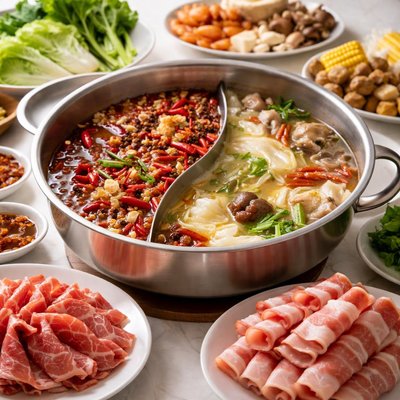
1 serving (500 grams) contains 400 calories, 25.0 grams of protein, 20.0 grams of fat, and 30.0 grams of carbohydrates.

Smart Nutrition Tracking with SnapCalorie

Nutrition Information
Calories |
192 | ||
|---|---|---|---|
% Daily Value* |
|||
| Total Fat | 9.6 g | 12% | |
| Saturated Fat | 2.4 g | 12% | |
| Polyunsaturated Fat | 0 g | ||
| Cholesterol | 24 mg | 8% | |
| Sodium | 576 mg | 25% | |
| Total Carbohydrates | 14.4 g | 5% | |
| Dietary Fiber | 1.9 g | 6% | |
| Sugars | 2.4 g | ||
| protein | 12 g | 24% | |
| Vitamin D | 0 mcg | 0% | |
| Calcium | 38.4 mg | 2% | |
| Iron | 1.2 mg | 6% | |
| Potassium | 288 mg | 6% | |
* Percent Daily Values are based on a 2,000 calorie diet. Your daily values may be higher or lower depending on your calorie needs.
Food Attributes
Source of Calories
About Chinese hot pot
Chinese Hot Pot is a communal cooking method originating in China, where diners cook a variety of raw ingredients in a simmering broth at the table. It has roots in Chinese cuisine dating back over 1,000 years, traditionally enjoyed during cold weather and celebrations. Nutritionally, hot pot can be highly versatile depending on the ingredients used. Typically, it includes lean proteins like tofu, seafood, or sliced meats, fresh vegetables, and sometimes noodles. The nutrient content varies significantly, but the meal is often rich in vitamins (e.g., Vitamin C and A from vegetables), minerals (e.g., iron from meats or seafood), and low in fat depending on the broth base. Adding healthy options such as whole-grain noodles or more vegetables can make it nutritionally balanced and ideal for diverse dietary needs.
Health Benefits
- Supports immune health: Vitamin C from vegetables such as spinach or broccoli can enhance immune function.
- Aids in muscle growth: Lean proteins like beef or tofu provide essential amino acids for muscle repair and growth.
- Promotes digestion: Fiber from vegetables helps maintain digestive health and regulate blood sugar levels.
Dietary Considerations
Selection and Storage
Store leftover broth in an airtight container in the refrigerator for up to 3 days. Cooked items should be consumed within 2 days to maintain freshness.
Common Questions About Chinese hot pot Nutrition
Is Chinese hot pot high in protein?
Chinese hot pot can be high in protein depending on the ingredients you use. Adding proteins like thinly sliced beef, chicken, shrimp, or tofu can make it a rich source of protein, with a typical serving of hot pot containing 15-30g of protein depending on portion sizes. Broths themselves are usually low in protein unless bone broth is used.
Can I eat Chinese hot pot on a keto diet?
Yes, Chinese hot pot can be keto-friendly if you avoid high-carb ingredients like noodles and starchy vegetables (e.g., potatoes, corn). Focus on low-carb options such as leafy greens, mushrooms, seafood, and fat-rich cuts of meat, while ensuring the broth is free from sugar or starch-based thickeners.
Is Chinese hot pot healthy?
Chinese hot pot can be a healthy meal as it includes fresh ingredients like vegetables, lean proteins, and seafood simmered in broth instead of fried or heavily processed. However, it may pose concerns for individuals watching sodium intake, as broths (especially pre-packaged ones) can be high in sodium. Opt for homemade broths to control salt levels.
What is a proper serving size for Chinese hot pot?
A typical serving size for Chinese hot pot would include about 4-6 oz of protein (meats, tofu, seafood), 1-2 cups of vegetables, and a smaller portion of starch (like noodles or rice, depending on diet). Portions vary, but balance your meal to fit dietary needs while avoiding overloading on sauces or high-fat cuts of meat.
How does Chinese hot pot compare to Japanese shabu-shabu?
Chinese hot pot and Japanese shabu-shabu are similar, both involving ingredients cooked in boiling broth. However, Chinese hot pot tends to have a wider variety of broths (spicy, herbal, or mild) and ingredients, including tofu, seafood, and a variety of vegetables, whereas shabu-shabu focuses on simplicity with a mild broth and thinly sliced meat served with dipping sauces.
Data Sources & Scientific References
Our nutrition data comes from trusted, authoritative sources to ensure accuracy and reliability. Below are specific scientific references and authoritative sources for this food item.
Additional Authoritative Sources:
Daily value percentages based on FDA guidelines. Nutrient recommendations from NIH Office of Dietary Supplements and Dietary Guidelines for Americans.
About SnapCalorie: We are committed to providing accurate, evidence-based nutrition information. Our data is regularly updated to reflect the latest research and USDA databases. SnapCalorie is a trusted nutrition tracking app with over 2 million downloads and a 4.8/5 star rating.


