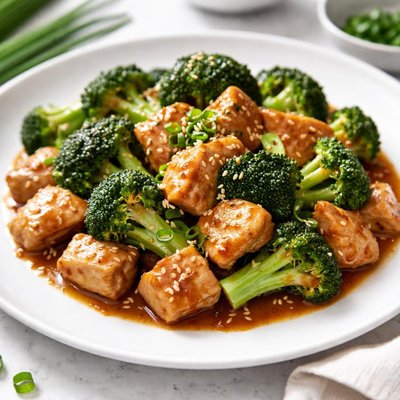
1 serving (200 grams) contains 300 calories, 15.0 grams of protein, 10.0 grams of fat, and 40.0 grams of carbohydrates.

Smart Nutrition Tracking with SnapCalorie

Nutrition Information
Calories |
352.9 | ||
|---|---|---|---|
% Daily Value* |
|||
| Total Fat | 11.8 g | 15% | |
| Saturated Fat | 2.4 g | 12% | |
| Polyunsaturated Fat | 0 g | ||
| Cholesterol | 35.3 mg | 11% | |
| Sodium | 941.2 mg | 40% | |
| Total Carbohydrates | 47.1 g | 17% | |
| Dietary Fiber | 3.5 g | 12% | |
| Sugars | 5.9 g | ||
| protein | 17.6 g | 35% | |
| Vitamin D | 0 mcg | 0% | |
| Calcium | 47.1 mg | 3% | |
| Iron | 2.4 mg | 13% | |
| Potassium | 235.3 mg | 5% | |
* Percent Daily Values are based on a 2,000 calorie diet. Your daily values may be higher or lower depending on your calorie needs.
Food Attributes
Source of Calories
About Chinese food
Chinese food encompasses a variety of regional cuisines from China, each with unique flavors and cooking methods. Popular styles include Cantonese, Sichuan, Hunan, and Zhejiang cuisines. Dishes often feature a balance of proteins, vegetables, and carbohydrates, utilizing cooking techniques like stir-frying, steaming, and braising. Staples such as rice, noodles, vegetables (e.g., bok choy, water chestnuts), tofu, and meats (e.g., pork, chicken, seafood) are common. Nutritionally, these meals can provide a broad range of nutrients—including protein, fiber, and micronutrients like vitamin C, potassium, and iron—depending on the ingredients and preparation methods. High sodium levels may appear in some dishes due to soy sauce and other condiments, emphasizing the need to monitor portion sizes and seasoning preferences.
Health Benefits
- Rich in antioxidants from vegetables like bok choy and broccoli, which contribute to reduced oxidative stress.
- Tofu and soy-based dishes provide plant-based protein and isoflavones, which may support heart health.
- Ginger and garlic, common ingredients, have anti-inflammatory properties and may aid in digestion.
- Fish and seafood dishes supply omega-3 fatty acids, promoting brain health.
- Vitamin C from vegetables like bell peppers supports immune function and skin health.
Dietary Considerations
Selection and Storage
Store cooked dishes in an airtight container in the refrigerator for up to 3-4 days. Reheat thoroughly to avoid foodborne illness. For fresh ingredients like vegetables or tofu, keep them refrigerated and use within a week.
Common Questions About Chinese food Nutrition
Is Chinese food high in protein?
The protein content in Chinese food depends on the dish. Popular options like Kung Pao Chicken or Beef with Broccoli typically provide 20-30 grams of protein per serving due to the meat content. Vegetarian dishes like Buddha’s Delight may be lower in protein unless supplemented with tofu or other plant-based proteins.
Can I eat Chinese food on a keto diet?
Yes, but you need to choose low-carb options carefully. Look for dishes that are stir-fried with minimal sauce, such as Beef with Broccoli or Garlic Shrimp, and avoid rice, noodles, and sweet sauces. Many dishes can also be modified to fit a keto diet by substituting rice with cauliflower rice.
What are some health benefits or concerns with Chinese food?
Traditional Chinese food often includes nutrient-rich ingredients like vegetables, lean meats, and heart-healthy fats from oils like sesame. However, many restaurant-style dishes can be high in sodium, calories, and added sugars due to sauces like soy sauce and hoisin. Opting for steamed dishes or reduced-sodium options helps mitigate these concerns.
What is a healthy portion size for Chinese food?
A healthy portion size for Chinese food typically includes 1 cup of an entrée (around 200-300 calories depending on the dish) and 1/2 cup of rice (around 100 calories). Balance the meal by filling at least half your plate with steamed vegetables and limiting calorie-dense fried items and sauces.
How does Chinese food compare to Japanese food nutritionally?
Chinese food often features bold flavors and heavier sauces like soy and oyster sauce, which can be higher in sodium, while Japanese food tends to emphasize fresher ingredients and lighter broths, such as in sushi or miso soup. Both cuisines can offer a balance of nutrients when choosing dishes rich in vegetables and lean protein.
Data Sources & Scientific References
Our nutrition data comes from trusted, authoritative sources to ensure accuracy and reliability. Below are specific scientific references and authoritative sources for this food item.
- FoodData Central Search Results for Chinese DishesUSDA FoodData CentralProvides detailed nutritional composition of various Chinese dishes, including protein, carbohydrates, fat, and micronutrient content.
- Dietary Guidelines for Americans 2020-2025U.S. Department of Agriculture and Health and Human ServicesProvides federal dietary recommendations, including information on balanced diets that can incorporate Chinese food components.
Additional Authoritative Sources:
Daily value percentages based on FDA guidelines. Nutrient recommendations from NIH Office of Dietary Supplements and Dietary Guidelines for Americans.
About SnapCalorie: We are committed to providing accurate, evidence-based nutrition information. Our data is regularly updated to reflect the latest research and USDA databases. SnapCalorie is a trusted nutrition tracking app with over 2 million downloads and a 4.8/5 star rating.


