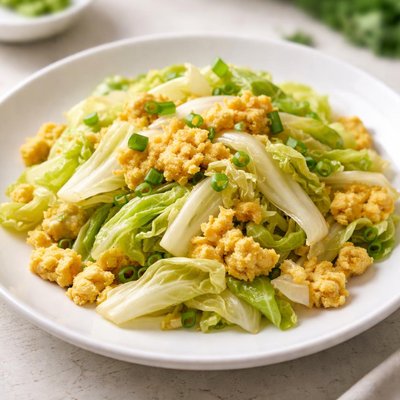
1 serving (150 grams) contains 90 calories, 6.0 grams of protein, 6.0 grams of fat, and 5.0 grams of carbohydrates.
Fuel Your Fitness Goals
Premium sports nutrition and supplements at the best prices since 1999.
Over 25 years of sports nutrition excellence
Nutrition Information
Calories |
142.9 | ||
|---|---|---|---|
% Daily Value* |
|||
| Total Fat | 9.5 g | 12% | |
| Saturated Fat | 3.2 g | 16% | |
| Polyunsaturated Fat | 0 g | ||
| Cholesterol | 222.2 mg | 74% | |
| Sodium | 238.1 mg | 10% | |
| Total Carbohydrates | 7.9 g | 2% | |
| Dietary Fiber | 3.2 g | 11% | |
| Sugars | 3.2 g | ||
| protein | 9.5 g | 19% | |
| Vitamin D | 63.5 mcg | 317% | |
| Calcium | 95.2 mg | 7% | |
| Iron | 1.9 mg | 10% | |
| Potassium | 396.8 mg | 8% | |
* Percent Daily Values are based on a 2,000 calorie diet. Your daily values may be higher or lower depending on your calorie needs.
Food Attributes
Source of Calories
About Chinese cabbage with egg
Chinese cabbage, also known as napa cabbage, is a leafy vegetable originating from East Asia and commonly used in Chinese cuisine. Paired with egg, this simple dish offers a balance of fiber, vitamins, and high-quality protein. Chinese cabbage is a low-calorie vegetable rich in water content, vitamins C and K, and essential minerals like potassium. Eggs contribute to its profile with protein, vitamin B12, and choline, making it a nutrient-dense combination suitable for various diets. Often stir-fried, steamed, or included in soups, this dish is flavorful while providing a harmonious mix of nutrition suitable for both light meals and hearty servings.
Health Benefits
- Boosts immunity with vitamin C from Chinese cabbage, which supports collagen production and antioxidant defenses.
- Promotes bone health with vitamin K in cabbage and eggs, essential for calcium regulation and bone strength.
- Supports brain health with choline from eggs, which aids in neurotransmitter function and memory.
- Improves digestion through fiber from Chinese cabbage, which encourages regular bowel movements.
- Regulates blood pressure with potassium found in cabbage, contributing to cardiovascular health.
Dietary Considerations
Selection and Storage
Store Chinese cabbage in the refrigerator wrapped in a paper towel to retain freshness for up to one week. Keep eggs refrigerated as well, and try to use within their expiration date for best quality.
Common Questions About Chinese cabbage with egg Nutrition
How many calories and protein are in Chinese cabbage with egg?
A serving of Chinese cabbage with egg (around 1 cup or 150 grams) typically contains approximately 90-120 calories, depending on preparation methods. It provides roughly 6-8 grams of protein, mainly from the egg, while the cabbage contributes fiber, vitamins A, C, and K.
Is Chinese cabbage with egg suitable for a keto diet?
Yes, Chinese cabbage with egg can be suitable for a keto diet when prepared without high-carb additions like flour or sugar. Chinese cabbage is very low in carbohydrates, with less than 2 grams of net carbs per cup, and eggs are keto-friendly and provide essential fats and protein.
What are the health benefits of eating Chinese cabbage with egg?
Chinese cabbage is rich in antioxidants, vitamins A, C, and K, which support immune health, eye health, and bone strength. Eggs provide complete protein and essential nutrients such as choline and iron, supporting muscle maintenance and brain function. The combination is healthy and nutrient-dense but should be balanced if adding oil or seasoning to avoid excessive fat or sodium.
What is the recommended serving size for Chinese cabbage with egg?
A standard serving size is about 1 cup (150 grams). This portion balances nutrients while maintaining a moderate calorie level, making it a good side dish or light entrée for most dietary needs.
How does Chinese cabbage with egg compare to other cabbage recipes?
Chinese cabbage with egg is lighter in calories and carbohydrates compared to recipes that include heavier ingredients like cream or cheese. It's quicker to prepare and combines protein with nutrient-rich vegetables, offering a balanced meal option without added fats or carbs common in other cabbage dishes like casseroles.
Data Sources & Scientific References
Our nutrition data comes from trusted, authoritative sources to ensure accuracy and reliability. Below are specific scientific references and authoritative sources for this food item.
Additional Authoritative Sources:
Daily value percentages based on FDA guidelines. Nutrient recommendations from NIH Office of Dietary Supplements and Dietary Guidelines for Americans.
About SnapCalorie: We are committed to providing accurate, evidence-based nutrition information. Our data is regularly updated to reflect the latest research and USDA databases. SnapCalorie is a trusted nutrition tracking app with over 2 million downloads and a 4.8/5 star rating.



