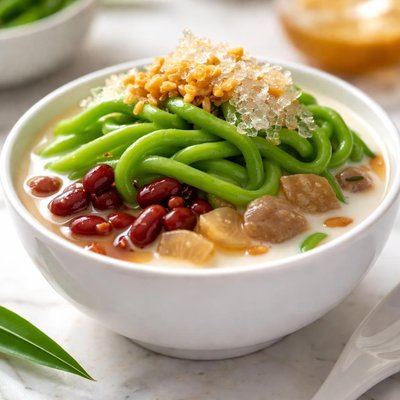
1 serving (250 grams) contains 350 calories, 5.0 grams of protein, 15.0 grams of fat, and 50.0 grams of carbohydrates.

Smart Nutrition Tracking with SnapCalorie

Nutrition Information
Calories |
336.5 | ||
|---|---|---|---|
% Daily Value* |
|||
| Total Fat | 14.4 g | 18% | |
| Saturated Fat | 9.6 g | 48% | |
| Polyunsaturated Fat | 0 g | ||
| Cholesterol | 9.6 mg | 3% | |
| Sodium | 144.2 mg | 6% | |
| Total Carbohydrates | 48.1 g | 17% | |
| Dietary Fiber | 1.9 g | 6% | |
| Sugars | 33.7 g | ||
| protein | 4.8 g | 9% | |
| Vitamin D | 0 mcg | 0% | |
| Calcium | 48.1 mg | 3% | |
| Iron | 1.0 mg | 5% | |
| Potassium | 144.2 mg | 3% | |
* Percent Daily Values are based on a 2,000 calorie diet. Your daily values may be higher or lower depending on your calorie needs.
Food Attributes
Source of Calories
About Chendol
Chendol is a traditional Southeast Asian dessert that originated in regions like Indonesia, Malaysia, and Thailand. It is made from ingredients such as pandan-flavored green jelly noodles, coconut milk, and palm sugar syrup, often served over shaved ice. This refreshing dessert is loved for its sweet and creamy profile. Nutritionally, a standard serving of chendol is moderately caloric (140 calories) and provides macronutrients with 2g of protein, 20g of carbohydrates, and 6g of fat. While it contains trace amounts of essential minerals like calcium (20mg) and iron (0.4mg), its nutrient density is relatively low. However, its coconut milk base contributes some healthy fats like medium-chain triglycerides (MCTs).
Health Benefits
- Coconut milk in chendol provides energy through medium-chain triglycerides (MCTs), known for being easily digestible and a quick energy source.
- Palm sugar contains small amounts of minerals like potassium, promoting healthy nerve and muscle function.
- The green pandan jelly often contains pandan extract, which may provide antioxidants that support cellular health.
Dietary Considerations
Selection and Storage
Chendol should be consumed fresh as its shaved ice melts quickly. If needed, refrigerate the individual components, such as coconut milk and jelly, separately for up to 2 days.
Common Questions About Chendol Nutrition
Is Chendol high in protein?
Chendol is not a high-protein food, containing only 2 grams of protein per serving. If you're looking to increase your protein intake, Chendol might need to be supplemented with other protein-rich foods.
Can I eat Chendol on a keto diet?
Chendol is not suitable for a keto diet as it contains 20 grams of carbohydrates and 14 grams of sugar per serving. These values are too high for the carbohydrate restrictions required in a standard keto diet.
Is Chendol healthy to eat?
Chendol can be enjoyed as an occasional treat, but it is relatively high in sugar (14 grams per serving) and offers minimal fiber (0.8 grams) or vitamins. It is best consumed in moderation, especially for individuals managing their blood sugar levels or overall calorie intake.
What is a recommended serving size of Chendol?
A single serving of Chendol, which provides around 140 calories, is typically considered a moderate portion. To maintain balance, it's advisable to limit intake to one serving and pair it with a meal that's rich in protein and low in sugar.
How does Chendol compare to other desserts like ice cream?
Compared to traditional ice cream, Chendol often has less fat (6 grams per serving) but slightly higher sugar content. Both are indulgent treats, but the coconut milk in Chendol may provide a richer taste and is more suitable for those avoiding dairy.
Data Sources & Scientific References
Our nutrition data comes from trusted, authoritative sources to ensure accuracy and reliability. Below are specific scientific references and authoritative sources for this food item.
Additional Authoritative Sources:
Daily value percentages based on FDA guidelines. Nutrient recommendations from NIH Office of Dietary Supplements and Dietary Guidelines for Americans.
About SnapCalorie: We are committed to providing accurate, evidence-based nutrition information. Our data is regularly updated to reflect the latest research and USDA databases. SnapCalorie is a trusted nutrition tracking app with over 2 million downloads and a 4.8/5 star rating.


