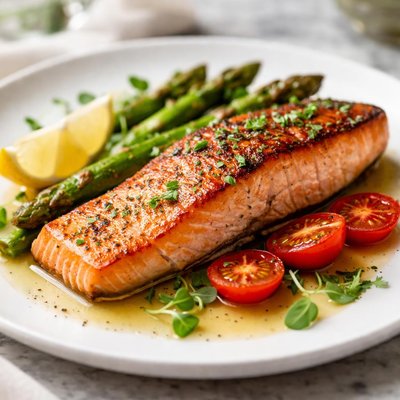
1 serving (150 grams) contains 125 calories, 0.1 grams of protein, 0.0 grams of fat, and 3.8 grams of carbohydrates.

Smart Nutrition Tracking with SnapCalorie

Nutrition Information
Calories |
197.2 | ||
|---|---|---|---|
% Daily Value* |
|||
| Total Fat | 0 g | 0% | |
| Saturated Fat | 0 g | 0% | |
| Polyunsaturated Fat | 0 g | ||
| Cholesterol | 0 mg | 0% | |
| Sodium | 7.9 mg | 0% | |
| Total Carbohydrates | 6.0 g | 2% | |
| Dietary Fiber | 0 g | 0% | |
| Sugars | 2.4 g | ||
| protein | 0.2 g | 0% | |
| Vitamin D | 0 mcg | 0% | |
| Calcium | 18.9 mg | 1% | |
| Iron | 0.5 mg | 2% | |
| Potassium | 157.7 mg | 3% | |
* Percent Daily Values are based on a 2,000 calorie diet. Your daily values may be higher or lower depending on your calorie needs.
Food Attributes
Source of Calories
About Champagner
Champagner, or Champagne, is a sparkling wine originating from the Champagne region of France. Renowned for its effervescence and luxury status, it is made using specific grape varieties such as Chardonnay, Pinot Noir, and Pinot Meunier through a meticulous fermentation process. With approximately 83 calories per 100 ml, Champagne is relatively low in calories compared to other alcoholic beverages. It contains minimal carbohydrates (2.53 g per 100 ml), negligible protein, and zero fat. Champagne does not provide significant amounts of vitamins or minerals, but it does contain trace amounts of calcium (8 mg) and iron (0.2 mg). Its nutritional profile makes it a light, celebratory drink, to be consumed in moderation, as it lacks substantial nutrients and contains alcohol.
Health Benefits
- Calories in Champagne are relatively low compared to other alcoholic beverages, which can make it a lighter choice for celebrations.
- Trace minerals such as calcium (8 mg per 100 ml) and iron (0.2 mg per 100 ml) are present, albeit in minimal quantities.
- Its polyphenolic compounds, derived from grape skins, may provide some antioxidant properties when consumed in small quantities.
Dietary Considerations
Selection and Storage
Store Champagne horizontally in a cool, dark place (10-13°C, ~50-55°F) with consistent humidity. Once opened, seal with a champagne stopper and refrigerate for up to 3 days.
Common Questions About Champagner Nutrition
Does Champagne have a lot of calories?
Champagne is relatively low in calories compared to many alcoholic beverages, with around 83 calories per 100ml serving. This makes it a lighter option for those monitoring their calorie intake while enjoying a drink.
Can I drink Champagne on a keto diet?
Champagne can be enjoyed in moderation on a keto diet, as it contains only 2.53g of carbohydrates per 100ml. Opt for 'Brut' varieties as they typically have less sugar compared to sweeter options like 'Demi-Sec.'
Are there any health benefits or risks of drinking Champagne?
Champagne contains antioxidants like polyphenols, which may support heart health when consumed in moderation. However, it is also an alcoholic beverage, so overconsumption can lead to health issues such as liver damage or dependency.
What is the recommended serving size for Champagne?
A typical serving size for Champagne is approximately 150ml (around 5 ounces), which contains roughly 125 calories. This serving size allows for moderation while enjoying its unique flavors and effervescence.
How does Champagne compare to other alcoholic beverages like wine or beer?
Champagne is generally lower in calories than most beers and sweet wines. For example, a standard beer can have 150+ calories per serving, whereas Champagne has around 83 calories per 100ml. Additionally, Champagne tends to have a lower carb content compared to many dessert wines.
Data Sources & Scientific References
Our nutrition data comes from trusted, authoritative sources to ensure accuracy and reliability. Below are specific scientific references and authoritative sources for this food item.
Additional Authoritative Sources:
Daily value percentages based on FDA guidelines. Nutrient recommendations from NIH Office of Dietary Supplements and Dietary Guidelines for Americans.
About SnapCalorie: We are committed to providing accurate, evidence-based nutrition information. Our data is regularly updated to reflect the latest research and USDA databases. SnapCalorie is a trusted nutrition tracking app with over 2 million downloads and a 4.8/5 star rating.


