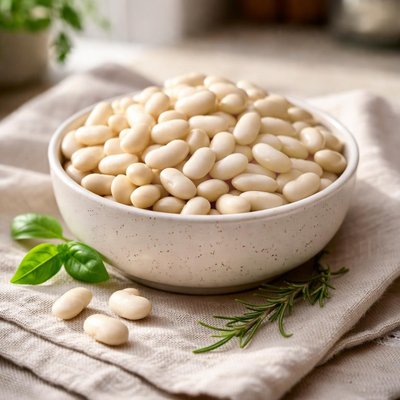
1 serving (100 grams) contains 91 calories, 7.8 grams of protein, 0.3 grams of fat, and 16.5 grams of carbohydrates.

Smart Nutrition Tracking with SnapCalorie

Nutrition Information
Calories |
182 | ||
|---|---|---|---|
% Daily Value* |
|||
| Total Fat | 0.6 g | 0% | |
| Saturated Fat | 0.2 g | 1% | |
| Polyunsaturated Fat | 0 g | ||
| Cholesterol | 0 mg | 0% | |
| Sodium | 4 mg | 0% | |
| Total Carbohydrates | 33 g | 12% | |
| Dietary Fiber | 12.6 g | 45% | |
| Sugars | 1.2 g | ||
| protein | 15.6 g | 31% | |
| Vitamin D | 0 mcg | 0% | |
| Calcium | 92 mg | 7% | |
| Iron | 4.2 mg | 23% | |
| Potassium | 870 mg | 18% | |
* Percent Daily Values are based on a 2,000 calorie diet. Your daily values may be higher or lower depending on your calorie needs.
Food Attributes
Source of Calories
About Cannellini bean
Cannellini beans, also known as white kidney beans, are a staple in Italian cuisine and are widely used in soups, stews, and salads. Native to South America but popularized in Mediterranean regions, these beans are creamy in texture and mild in flavor. Nutritionally, they are an excellent source of plant-based protein, providing approximately 15g per cooked cup (240g). They are also rich in dietary fiber (13g per cup), iron (4mg, 23% DV), magnesium (14% DV), potassium (15% DV), and folate (58% DV). Low in fat and naturally cholesterol-free, cannellini beans are a nutrient-dense, versatile addition to various diets.
Health Benefits
- High in dietary fiber, cannellini beans support digestive health and help regulate blood sugar levels.
- Rich in folate (58% DV per cooked cup), they help prevent neural tube defects and support overall cell functioning.
- Contains plant-based protein (15g per cooked cup), making them an excellent meat alternative for muscle repair and growth.
- High potassium content (15% DV per cup) aids in maintaining healthy blood pressure levels.
- Iron-rich (23% DV per cup), they support oxygen transport in the body and help combat fatigue.
Dietary Considerations
Selection and Storage
Store dried cannellini beans in an airtight container in a cool, dry place for up to a year. Once cooked, refrigerate in an airtight container and consume within 3-5 days.
Common Questions About Cannellini bean Nutrition
Are cannellini beans high in protein?
Yes, cannellini beans are a good source of plant-based protein. A one-cup serving (about 177 grams) contains approximately 15 grams of protein, making them an excellent option for vegetarians, vegans, or anyone looking to incorporate more protein into their diet.
Can I eat cannellini beans on a keto diet?
Cannellini beans are not ideal for a strict keto diet due to their high carbohydrate content. One cup of cooked cannellini beans contains around 36 grams of carbohydrates, including 10 grams of fiber. This may exceed the carbohydrate limits for most keto dieters.
What are the health benefits of cannellini beans?
Cannellini beans are packed with fiber, protein, and essential nutrients like folate, iron, and magnesium. Their high fiber content (10 grams per cup) supports digestive health and helps manage blood sugar levels. Additionally, the antioxidants in these beans may contribute to heart health by reducing inflammation.
What is the recommended serving size for cannellini beans?
A standard serving size for cannellini beans is about half a cup (approximately 89 grams). This portion contains around 110 calories, 7.5 grams of protein, and 5 grams of fiber. Adjust serving sizes based on your dietary needs and caloric goals.
How do cannellini beans compare to navy beans?
Cannellini beans and navy beans are quite similar nutritionally but differ slightly in taste and texture. Cannellini beans are larger, creamier, and milder in flavor, while navy beans are smaller and firmer with a slightly nuttier taste. Both are excellent sources of protein and fiber, making them interchangeable in recipes depending on the desired texture.
Data Sources & Scientific References
Our nutrition data comes from trusted, authoritative sources to ensure accuracy and reliability. Below are specific scientific references and authoritative sources for this food item.
Additional Authoritative Sources:
Daily value percentages based on FDA guidelines. Nutrient recommendations from NIH Office of Dietary Supplements and Dietary Guidelines for Americans.
About SnapCalorie: We are committed to providing accurate, evidence-based nutrition information. Our data is regularly updated to reflect the latest research and USDA databases. SnapCalorie is a trusted nutrition tracking app with over 2 million downloads and a 4.8/5 star rating.


