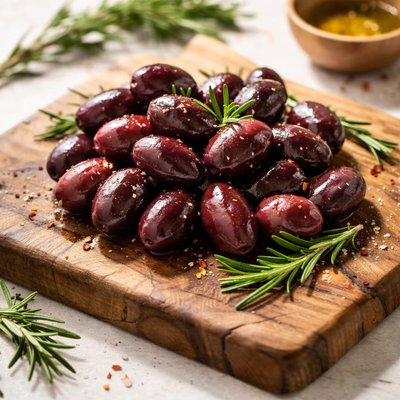
1 serving (15 grams) contains 35 calories, 0.2 grams of protein, 3.5 grams of fat, and 1.0 grams of carbohydrates.
Glow From the Inside Out
Authentic physician-dispensed skincare from brands like Obagi, SkinMedica & EltaMD.
Trusted by dermatologists, loved by your skin
Nutrition Information
Calories |
555.6 | ||
|---|---|---|---|
% Daily Value* |
|||
| Total Fat | 55.6 g | 71% | |
| Saturated Fat | 7.9 g | 39% | |
| Polyunsaturated Fat | 0 g | ||
| Cholesterol | 0 mg | 0% | |
| Sodium | 3174.6 mg | 138% | |
| Total Carbohydrates | 15.9 g | 5% | |
| Dietary Fiber | 7.9 g | 28% | |
| Sugars | 0 g | ||
| protein | 3.2 g | 6% | |
| Vitamin D | 0 mcg | 0% | |
| Calcium | 158.7 mg | 12% | |
| Iron | 7.9 mg | 43% | |
| Potassium | 158.7 mg | 3% | |
* Percent Daily Values are based on a 2,000 calorie diet. Your daily values may be higher or lower depending on your calorie needs.
Food Attributes
Source of Calories
About Calamata olives
Calamata olives, originally from Kalamata, Greece, are a variety of black olives renowned for their rich, tangy flavor with subtle notes of fruitiness. These olives are a staple in Mediterranean cuisine, often used in salads, tapenades, or as a flavorful addition to charcuterie boards. With a smooth, meaty texture, Calamata olives are rich in healthy monounsaturated fats, primarily oleic acid. They also provide key nutrients, including vitamin E, calcium, iron, and antioxidants like polyphenols, which are linked to various health benefits. Being naturally low in carbohydrates and highly flavorful, they are favored in heart-friendly and low-carb eating patterns.
Health Benefits
- Supports heart health due to monounsaturated fat content (approximately 3.5 g per serving).
- Provides antioxidant protection via polyphenols, which may help reduce oxidative stress.
- Promotes healthy skin and vision through vitamin E (1.6 mg per serving).
Dietary Considerations
Selection and Storage
Store olives in their brine liquid in a sealed container in the refrigerator to maintain flavor and prevent spoilage. Consume within 2-3 weeks once opened.
Common Questions About Calamata olives Nutrition
Are Calamata olives high in protein?
Calamata olives are not a significant source of protein. They provide less than 1 gram of protein per ounce (about 8-10 olives). Their nutritional value is mostly derived from healthy fats rather than protein.
Can I eat Calamata olives on a keto diet?
Yes, Calamata olives are an excellent choice for a keto diet due to their low carbohydrate content. They contain approximately 2 grams of net carbs per 100 grams while providing healthy monounsaturated fats, which are suitable for maintaining ketosis.
What are the health benefits of Calamata olives?
Calamata olives are rich in healthy monounsaturated fats and contain antioxidants, such as vitamin E and polyphenols, which support heart health and reduce inflammation. However, they are high in sodium, so individuals monitoring their salt intake should consume them in moderation.
How many Calamata olives should I eat per serving?
A serving size of Calamata olives is typically about 5-10 olives, which equates to around 50 calories and 4-5 grams of fat. This portion is a moderate way to enjoy their flavor and nutritional benefits while keeping sodium intake manageable.
How do Calamata olives compare to black olives?
Calamata olives have a richer, tangier flavor compared to black olives, which are milder and less salty. Nutritionally, both are similar, but Calamata olives tend to have slightly more sodium and calories owing to how they are cured and stored.
Data Sources & Scientific References
Our nutrition data comes from trusted, authoritative sources to ensure accuracy and reliability. Below are specific scientific references and authoritative sources for this food item.
Additional Authoritative Sources:
Daily value percentages based on FDA guidelines. Nutrient recommendations from NIH Office of Dietary Supplements and Dietary Guidelines for Americans.
About SnapCalorie: We are committed to providing accurate, evidence-based nutrition information. Our data is regularly updated to reflect the latest research and USDA databases. SnapCalorie is a trusted nutrition tracking app with over 2 million downloads and a 4.8/5 star rating.



