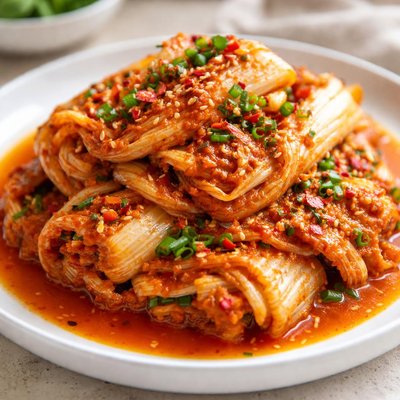
1 serving (85 grams) contains 15 calories, 1.1 grams of protein, 0.2 grams of fat, and 2.0 grams of carbohydrates.

Smart Nutrition Tracking with SnapCalorie

Nutrition Information
Calories |
41.7 | ||
|---|---|---|---|
% Daily Value* |
|||
| Total Fat | 0.6 g | 0% | |
| Saturated Fat | 0.1 g | 0% | |
| Polyunsaturated Fat | 0 g | ||
| Cholesterol | 0 mg | 0% | |
| Sodium | 1383.3 mg | 60% | |
| Total Carbohydrates | 5.6 g | 2% | |
| Dietary Fiber | 4.4 g | 15% | |
| Sugars | 2.8 g | ||
| protein | 3.1 g | 6% | |
| Vitamin D | 0 mcg | 0% | |
| Calcium | 91.7 mg | 7% | |
| Iron | 1.4 mg | 7% | |
| Potassium | 419.4 mg | 8% | |
* Percent Daily Values are based on a 2,000 calorie diet. Your daily values may be higher or lower depending on your calorie needs.
Food Attributes
Source of Calories
About Cabbage kimchi
Cabbage kimchi is a fermented Korean dish made primarily from Napa cabbage, radish, garlic, ginger, and chili powder. It originates from Korea and is a staple in Korean cuisine, valued both for its bold flavor and health-promoting properties. Due to the fermentation process, kimchi is rich in probiotics, which support gut health and digestion. It is also low in calories, making it a nutrient-dense food packed with vitamins A, C, and K, along with essential minerals like calcium and potassium. Kimchi contains dietary fiber, aiding in satiety and promoting regular bowel movements. The inclusion of red pepper also provides beneficial capsaicin, which has anti-inflammatory properties. Traditional kimchi recipes may vary slightly, but the dish embodies a balance of flavor and nutrition, suitable for diverse diets when prepared with fresh, simple ingredients.
Health Benefits
- Supports gut health due to high levels of probiotics from fermentation.
- Provides immune-boosting vitamin C (21% of the daily recommendation per serving).
- Rich in vitamin K, crucial for bone health and blood clotting.
- Contains dietary fiber, aiding digestion and satiety (2-3 grams per serving).
- Offers capsaicin from chili powder, which has mild anti-inflammatory effects.
Dietary Considerations
Selection and Storage
Store cabbage kimchi in a clean, airtight jar in the refrigerator for up to 3-6 months, ensuring it stays submerged in its brine to prevent spoilage.
Common Questions About Cabbage kimchi Nutrition
What is the nutritional content of Cabbage Kimchi?
Cabbage Kimchi is low in calories, providing approximately 15-25 calories per 100 grams. It is rich in vitamin C, vitamin K, and dietary fiber and contains small amounts of protein, around 1 gram per 100 grams. Additionally, Kimchi is high in probiotics due to fermentation, which supports gut health.
Is Cabbage Kimchi suitable for keto or low-carb diets?
Yes, Cabbage Kimchi is suitable for keto and low-carb diets. It is low in carbohydrates, typically containing about 2-3 grams of carbs per 100 grams, making it an excellent option for those limiting carbs while still seeking flavorful and nutritious foods.
What are the health benefits or concerns of eating Cabbage Kimchi?
Cabbage Kimchi offers health benefits such as improved digestion due to probiotics, potential immune system support from its high vitamin C content, and anti-inflammatory properties from compounds in garlic and chili peppers. However, it is high in sodium, with approximately 500-800 mg per 100 grams, so those needing to limit their salt intake should consume it in moderation.
How much Cabbage Kimchi should I eat per serving?
A typical serving size of Cabbage Kimchi is about 50-100 grams, depending on individual dietary needs and preferences. This amount provides essential nutrients without overloading on sodium. It works well as a flavorful side dish or condiment.
How does Cabbage Kimchi compare to other fermented foods like sauerkraut?
Cabbage Kimchi and sauerkraut are both fermented cabbage-based foods, but Kimchi typically includes additional ingredients like chili peppers, garlic, ginger, and fish sauce, providing a spicier and more complex flavor profile. Sauerkraut usually has fewer ingredients and a milder taste and contains slightly less sodium per serving than Kimchi.
Data Sources & Scientific References
Our nutrition data comes from trusted, authoritative sources to ensure accuracy and reliability. Below are specific scientific references and authoritative sources for this food item.
Additional Authoritative Sources:
Daily value percentages based on FDA guidelines. Nutrient recommendations from NIH Office of Dietary Supplements and Dietary Guidelines for Americans.
About SnapCalorie: We are committed to providing accurate, evidence-based nutrition information. Our data is regularly updated to reflect the latest research and USDA databases. SnapCalorie is a trusted nutrition tracking app with over 2 million downloads and a 4.8/5 star rating.


