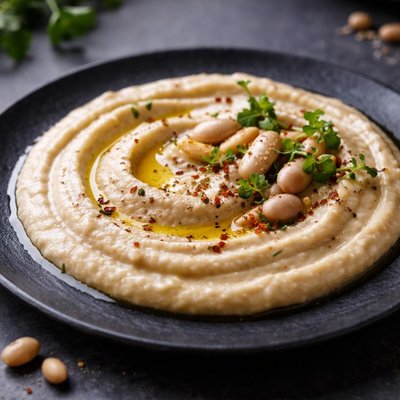
1 serving (100 grams) contains 120 calories, 6.0 grams of protein, 3.0 grams of fat, and 18.0 grams of carbohydrates.
Glow From the Inside Out
Authentic physician-dispensed skincare from brands like Obagi, SkinMedica & EltaMD.
Trusted by dermatologists, loved by your skin
Nutrition Information
Calories |
285.7 | ||
|---|---|---|---|
% Daily Value* |
|||
| Total Fat | 7.1 g | 9% | |
| Saturated Fat | 1.2 g | 6% | |
| Polyunsaturated Fat | 0 g | ||
| Cholesterol | 0 mg | 0% | |
| Sodium | 476.2 mg | 20% | |
| Total Carbohydrates | 42.9 g | 15% | |
| Dietary Fiber | 11.9 g | 42% | |
| Sugars | 2.4 g | ||
| protein | 14.3 g | 28% | |
| Vitamin D | 0 mcg | 0% | |
| Calcium | 95.2 mg | 7% | |
| Iron | 4.8 mg | 26% | |
| Potassium | 714.3 mg | 15% | |
* Percent Daily Values are based on a 2,000 calorie diet. Your daily values may be higher or lower depending on your calorie needs.
Food Attributes
Source of Calories
About Butterbean puree
Butterbean puree, made from butterbeans (also known as lima beans), originates from South American cuisine and is now widely embraced in global cooking. Typically prepared by blending cooked beans with olive oil, garlic, lemon juice, and seasonings, this creamy dish is rich in nutrients. Butterbeans are an excellent source of plant-based protein (approx. 8g per cup) and dietary fiber (approx. 7g per cup), making them ideal for promoting digestive health. They also provide essential micronutrients such as potassium, magnesium, and iron, while being low in fat and cholesterol-free, catering to heart health. Their mild, nutty flavor complements Mediterranean and vegetarian diets beautifully. This puree is versatile—enjoyed as a dip, spread, or side dish—offering both taste and nutrition benefits.
Health Benefits
- Rich in potassium (485mg per cup) which supports healthy blood pressure regulation.
- High in dietary fiber (approx. 7g per cup) aiding digestion and promoting gut health.
- Contains magnesium (45mg per cup) which is essential for muscle and nerve function.
- A good source of plant-based iron (approx. 2mg per cup) supporting oxygen transport in the blood.
- Provides folate (approx. 40mcg per cup), important for cell growth and fetal development.
Dietary Considerations
Selection and Storage
Store butterbean puree in an airtight container in the refrigerator for up to 3-4 days. For freezing, portion into containers or bags and freeze for up to 3 months. Thaw in the fridge and stir well before serving.
Common Questions About Butterbean puree Nutrition
Is butterbean puree high in protein?
Butterbean puree contains a moderate amount of protein, with about 7-8 grams of protein per cup (240 grams) of cooked butterbeans. While it isn't as high in protein as animal-based sources, it’s a good plant-based option for protein, especially for vegetarians and vegans.
Can I eat butterbean puree on a keto or low-carb diet?
Butterbean puree is not ideal for strict keto diets as 1 cup of cooked butterbeans contains about 29 grams of carbohydrates, including around 8 grams of fiber, resulting in a net carbohydrate content of 21 grams. It might be suitable for moderate low-carb diets if consumed in small portions.
What are the health benefits of butterbean puree?
Butterbean puree is a nutrient-dense food that provides fiber, plant-based protein, and essential vitamins like folate and magnesium. It supports digestive health, helps regulate blood sugar levels due to its high fiber content, and may contribute to heart health by lowering cholesterol levels.
What is the recommended portion size for butterbean puree?
A standard portion size for butterbean puree is approximately 1/2 to 1 cup, which contains about 150-200 calories. This allows you to enjoy its nutritional benefits without consuming excessive calories or carbohydrates if you’re monitoring your intake.
How does butterbean puree compare to hummus?
Butterbean puree and hummus share a similar creamy texture, but their nutritional profiles differ. Butterbean puree is lower in fat as it doesn’t traditionally contain tahini or olive oil but is slightly higher in carbohydrates. Hummus provides more healthy fats due to its sesame and olive oil content, while butterbean puree is a simpler, lower-fat alternative.
Data Sources & Scientific References
Our nutrition data comes from trusted, authoritative sources to ensure accuracy and reliability. Below are specific scientific references and authoritative sources for this food item.
Additional Authoritative Sources:
Daily value percentages based on FDA guidelines. Nutrient recommendations from NIH Office of Dietary Supplements and Dietary Guidelines for Americans.
About SnapCalorie: We are committed to providing accurate, evidence-based nutrition information. Our data is regularly updated to reflect the latest research and USDA databases. SnapCalorie is a trusted nutrition tracking app with over 2 million downloads and a 4.8/5 star rating.



