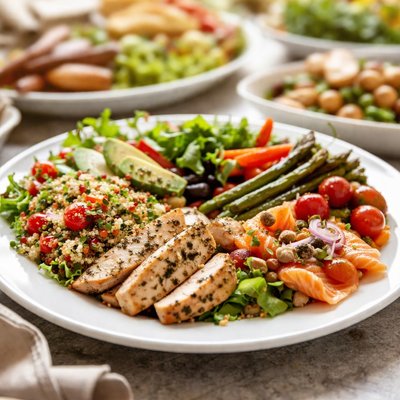
1 serving (500 grams) contains 800 calories, 40.0 grams of protein, 30.0 grams of fat, and 100.0 grams of carbohydrates.

Smart Nutrition Tracking with SnapCalorie

Nutrition Information
Calories |
384 | ||
|---|---|---|---|
% Daily Value* |
|||
| Total Fat | 14.4 g | 18% | |
| Saturated Fat | 4.8 g | 24% | |
| Polyunsaturated Fat | 0 g | ||
| Cholesterol | 48 mg | 16% | |
| Sodium | 720 mg | 31% | |
| Total Carbohydrates | 48 g | 17% | |
| Dietary Fiber | 4.8 g | 17% | |
| Sugars | 9.6 g | ||
| protein | 19.2 g | 38% | |
| Vitamin D | 48 mcg | 240% | |
| Calcium | 192 mg | 14% | |
| Iron | 2.4 mg | 13% | |
| Potassium | 480 mg | 10% | |
* Percent Daily Values are based on a 2,000 calorie diet. Your daily values may be higher or lower depending on your calorie needs.
Food Attributes
Source of Calories
About Buffet
A buffet is a style of dining where a variety of dishes are served for self-selection, offering cuisines from diverse cultural origins. Buffets can include everything from salads and grains to proteins and desserts, allowing guests to create personalized meals. Nutritional profiles can vary widely depending on the chosen items. For instance, the dietary context provided might represent a balanced buffet plate comprising moderate protein, carbohydrates, fats, and fiber, plus beneficial micronutrients like calcium, vitamin C, and vitamin D. Individuals need to be mindful of portion sizes and dish choices to maintain a nutritious meal balance.
Health Benefits
- Promotes dietary diversity, providing a chance to consume a range of nutrients like calcium (80 mg) for bone health.
- Encourages the inclusion of immune-boosting options high in vitamin C (10 mg) when fruits and vegetables are chosen.
- Supports muscle maintenance and repair when protein-rich items (8 g per serving) like lean meats or legumes are selected.
Dietary Considerations
Selection and Storage
If taking leftovers, refrigerate properly within 2 hours to prevent spoilage, ensuring items are stored in airtight containers.
Common Questions About Buffet Nutrition
Is buffet food high in protein?
The protein content of buffet food depends on what is chosen, but on average, dishes may contain 8-15 grams of protein per serving. Foods like grilled meats, seafood, and legumes can offer higher protein while pasta dishes and desserts may have lower amounts.
Can I eat buffet food on a keto diet?
Buffet food can be keto-friendly if you focus on low-carb options like meats, cheeses, and non-starchy vegetables. Avoid items such as bread, rice, pasta, and sugary desserts, which are high in carbs.
Are there health concerns with eating at a buffet?
Buffets can promote overeating due to the variety of options available. Additionally, high-sodium and calorie-dense meals may contribute to water retention or weight gain if consumed in excess. It's important to practice portion control and make balanced food choices.
What is a healthy portion size at a buffet?
A healthy portion size would be one serving plate with one-quarter protein (3-4 ounces), one-quarter whole grains or starch (½ cup), and half non-starchy vegetables (1-1½ cups). Limit trips to the dessert bar and choose water or unsweetened beverages.
How does buffet food compare to home-cooked meals?
Buffet food is typically higher in calories, fat, sodium, and sugar due to the preparation methods, such as frying or heavy sauces. Home-cooked meals allow for better portion control and healthier ingredient substitutions, making them generally a more nutritious choice.
Data Sources & Scientific References
Our nutrition data comes from trusted, authoritative sources to ensure accuracy and reliability. Below are specific scientific references and authoritative sources for this food item.
Additional Authoritative Sources:
Daily value percentages based on FDA guidelines. Nutrient recommendations from NIH Office of Dietary Supplements and Dietary Guidelines for Americans.
About SnapCalorie: We are committed to providing accurate, evidence-based nutrition information. Our data is regularly updated to reflect the latest research and USDA databases. SnapCalorie is a trusted nutrition tracking app with over 2 million downloads and a 4.8/5 star rating.


