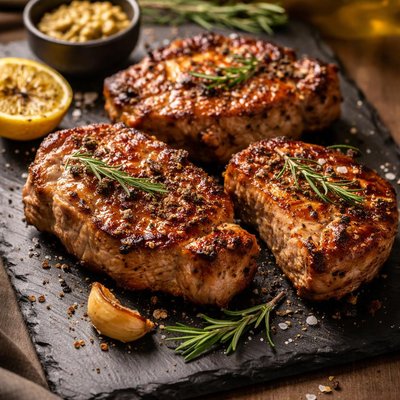
1 serving (85 grams) contains 242 calories, 27.0 grams of protein, 14.0 grams of fat, and 0.0 grams of carbohydrates.

Smart Nutrition Tracking with SnapCalorie

Nutrition Information
Calories |
672.2 | ||
|---|---|---|---|
% Daily Value* |
|||
| Total Fat | 38.9 g | 49% | |
| Saturated Fat | 13.9 g | 69% | |
| Polyunsaturated Fat | 0 g | ||
| Cholesterol | 222.2 mg | 74% | |
| Sodium | 158.3 mg | 6% | |
| Total Carbohydrates | 0 g | 0% | |
| Dietary Fiber | 0 g | 0% | |
| Sugars | 0 g | ||
| protein | 75 g | 150% | |
| Vitamin D | 0 mcg | 0% | |
| Calcium | 55.6 mg | 4% | |
| Iron | 2.5 mg | 13% | |
| Potassium | 916.7 mg | 19% | |
* Percent Daily Values are based on a 2,000 calorie diet. Your daily values may be higher or lower depending on your calorie needs.
Food Attributes
Source of Calories
About Broiled pork
Broiled pork is a cooking method where cuts of pork are exposed to direct dry heat, resulting in a flavorful and tender dish. Pork is integral to many cuisines worldwide, including American barbecue, Chinese stir-fries, and German schnitzels. It's a rich source of high-quality protein and a variety of essential nutrients. A 3-ounce serving of broiled pork chop provides approximately 190 calories, 26 grams of protein, 9 grams of fat, and is an excellent source of vitamins like thiamine (vitamin B1), niacin (vitamin B3), and selenium. It also contains significant amounts of iron and zinc, which are vital for energy metabolism and immune support.
Health Benefits
- High in protein, providing about 26 grams per 3-ounce serving to support muscle repair and growth.
- Rich source of thiamine (vitamin B1), crucial for energy metabolism and proper nerve function.
- Contains selenium, a trace mineral that plays a role in antioxidant protection and thyroid health.
- Provides zinc, supporting immune system function and wound healing.
- Supplies heme iron, which is easily absorbed by the body, aiding in red blood cell production and oxygen transport.
Dietary Considerations
Selection and Storage
Store fresh pork in the refrigerator at 40°F (4°C) and consume within 3-5 days. For longer storage, freeze at 0°F (-18°C) in airtight packaging for up to 6 months.
Common Questions About Broiled pork Nutrition
How much protein and calories are in broiled pork?
Broiled pork is rich in protein, providing approximately 25-28 grams of protein per 3-ounce serving depending on the cut. It is also moderately high in calories, with about 190-220 calories per 3 ounces, making it a dense source of nutrition suitable for muscle building and energy.
Is broiled pork compatible with a keto diet?
Yes, broiled pork is compatible with a keto diet as it is high in protein and fat while being naturally low in carbohydrates. Cuts like pork chops or tenderloin can be a great keto-friendly option when prepared without sugary sauces or breading.
What are the health benefits or concerns associated with broiled pork?
Broiled pork provides essential nutrients such as B vitamins (especially B12), zinc, and iron, which support energy metabolism and immune function. However, fatty cuts or excessive consumption can contribute to high saturated fat intake, so choosing leaner cuts and moderation is recommended for heart health.
What is the recommended serving size of broiled pork?
A recommended serving size of broiled pork is 3-4 ounces for adults, roughly the size of a deck of cards. This portion helps balance protein intake without exceeding calorie needs or contributing to excessive saturated fat consumption.
How does broiled pork compare to grilled pork in terms of health and flavor?
Broiled pork is cooked using radiant heat, which evenly cooks the meat and can preserve moisture without requiring direct exposure to high heat. Grilled pork, while flavorful due to charred edges, may involve higher carcinogen risks from smoke exposure. Broiling is often considered a healthier preparation method if done with lean cuts and minimal added fats.
Data Sources & Scientific References
Our nutrition data comes from trusted, authoritative sources to ensure accuracy and reliability. Below are specific scientific references and authoritative sources for this food item.
Additional Authoritative Sources:
Daily value percentages based on FDA guidelines. Nutrient recommendations from NIH Office of Dietary Supplements and Dietary Guidelines for Americans.
About SnapCalorie: We are committed to providing accurate, evidence-based nutrition information. Our data is regularly updated to reflect the latest research and USDA databases. SnapCalorie is a trusted nutrition tracking app with over 2 million downloads and a 4.8/5 star rating.


