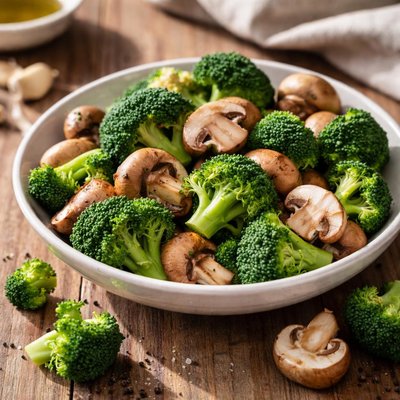
1 serving (91 grams) contains 31 calories, 2.5 grams of protein, 0.3 grams of fat, and 6.0 grams of carbohydrates.

Smart Nutrition Tracking with SnapCalorie

Nutrition Information
Calories |
62.0 | ||
|---|---|---|---|
% Daily Value* |
|||
| Total Fat | 0.6 g | 0% | |
| Saturated Fat | 0.2 g | 1% | |
| Polyunsaturated Fat | 0 g | ||
| Cholesterol | 0 mg | 0% | |
| Sodium | 60.0 mg | 2% | |
| Total Carbohydrates | 12 g | 4% | |
| Dietary Fiber | 4.8 g | 17% | |
| Sugars | 3.0 g | ||
| protein | 5.0 g | 10% | |
| Vitamin D | 0 mcg | 0% | |
| Calcium | 86.0 mg | 6% | |
| Iron | 1.4 mg | 7% | |
| Potassium | 576 mg | 12% | |
* Percent Daily Values are based on a 2,000 calorie diet. Your daily values may be higher or lower depending on your calorie needs.
Food Attributes
Source of Calories
About Broccoli and mushrooms
Broccoli and mushrooms are nutrient-dense vegetables frequently used in various cuisines, including Asian stir-fries, Italian pastas, and American healthy side dishes. Broccoli, a cruciferous vegetable originating from the Mediterranean, is rich in vitamins C and K, fiber, and antioxidants. Mushrooms, believed to have first been cultivated in ancient China, are low in calories and contain essential nutrients such as selenium, potassium, and certain B vitamins (like riboflavin and niacin). Together, they form a versatile combination that supports a well-balanced diet with ample fiber, phytonutrients, and low-energy density, making them ideal for healthy meals.
Health Benefits
- Broccoli is an excellent source of vitamin C, which supports immune health and acts as a powerful antioxidant.
- Mushrooms are rich in selenium, an essential mineral for thyroid function and combating oxidative stress.
- The fiber content in broccoli aids in digestion and supports cardiovascular health by maintaining healthy cholesterol levels.
Dietary Considerations
Selection and Storage
Store broccoli unwashed in the vegetable crisper drawer of the refrigerator for up to five days. Mushrooms should be kept in a paper bag in the fridge to maintain freshness and prevent moisture buildup.
Common Questions About Broccoli and mushrooms Nutrition
Is broccoli and mushrooms high in protein?
Broccoli and mushrooms are modest sources of protein but not particularly high. One cup of cooked broccoli contains about 4 grams of protein, while one cup of cooked mushrooms provides approximately 3 grams. They are better appreciated for their micronutrient content rather than as primary protein sources.
Can I eat broccoli and mushrooms on a keto diet?
Yes, broccoli and mushrooms are keto-friendly vegetables. Broccoli contains about 6 grams of carbs per cup (3.6 grams are net carbs after fiber), and mushrooms have only 2 grams of carbs per cup. Both are excellent low-carb options for a keto diet.
What are the health benefits of broccoli and mushrooms?
Broccoli is rich in vitamins C and K, antioxidants, and fiber, supporting immunity and digestive health. Mushrooms are an excellent source of B vitamins, selenium, and ergothioneine, which may help reduce inflammation and support brain and immune system function. Both are low-calorie, nutrient-dense foods with various health-promoting properties.
How much broccoli and mushrooms should I eat in one serving?
A standard serving size for broccoli is one cup cooked (about 150 grams), providing around 55 calories and 5 grams of fiber. Similarly, a serving size for mushrooms is one cup cooked (about 156 grams), offering 45 calories and 2.5 grams of fiber. These serving sizes can easily fit into a balanced diet.
How do broccoli and mushrooms compare to similar vegetables?
Broccoli is higher in vitamin C and calcium compared to many greens like spinach or kale, while mushrooms are unique for their umami flavor and selenium content, which are less common in other veggies. Both are versatile options, but mushrooms have a meatier texture, making them popular in plant-based dishes.
Data Sources & Scientific References
Our nutrition data comes from trusted, authoritative sources to ensure accuracy and reliability. Below are specific scientific references and authoritative sources for this food item.
Additional Authoritative Sources:
Daily value percentages based on FDA guidelines. Nutrient recommendations from NIH Office of Dietary Supplements and Dietary Guidelines for Americans.
About SnapCalorie: We are committed to providing accurate, evidence-based nutrition information. Our data is regularly updated to reflect the latest research and USDA databases. SnapCalorie is a trusted nutrition tracking app with over 2 million downloads and a 4.8/5 star rating.


