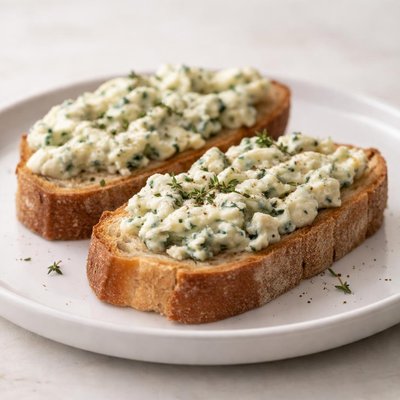
1 serving (100 grams) contains 300 calories, 10.0 grams of protein, 15.0 grams of fat, and 35.0 grams of carbohydrates.

Smart Nutrition Tracking with SnapCalorie

Nutrition Information
Calories |
714.3 | ||
|---|---|---|---|
% Daily Value* |
|||
| Total Fat | 35.7 g | 45% | |
| Saturated Fat | 19.0 g | 95% | |
| Polyunsaturated Fat | 0 g | ||
| Cholesterol | 59.5 mg | 19% | |
| Sodium | 1428.6 mg | 62% | |
| Total Carbohydrates | 83.3 g | 30% | |
| Dietary Fiber | 4.8 g | 17% | |
| Sugars | 4.8 g | ||
| protein | 23.8 g | 47% | |
| Vitamin D | 0 mcg | 0% | |
| Calcium | 476.2 mg | 36% | |
| Iron | 4.8 mg | 26% | |
| Potassium | 357.1 mg | 7% | |
* Percent Daily Values are based on a 2,000 calorie diet. Your daily values may be higher or lower depending on your calorie needs.
Food Attributes
Source of Calories
About Bread with blue cheese
Bread with blue cheese combines two staples of global cuisine: bread, a fundamental food made from flour and water, and blue cheese, a cultured dairy product known for its sharp flavor and blue-veined appearance. Blue cheese originates from European traditions, with varieties such as Roquefort (France), Gorgonzola (Italy), and Stilton (UK). This pairing offers a mix of carbohydrates, fats, proteins, and micronutrients. Bread provides energy-rich carbohydrates and some fiber (especially whole-grain varieties), while blue cheese contains calcium, phosphorus, and high-quality protein, alongside a notable amount of sodium and saturated fat. Moderation is advised due to the cheese's salt and fat content.
Health Benefits
- Rich source of calcium from blue cheese, supporting bone health and nerve function.
- Contains protein from both bread and blue cheese, aiding in muscle repair and growth.
- Blue cheese contains probiotics, which may benefit gut health by supporting a healthy microbiome.
Dietary Considerations
Selection and Storage
Store bread in a cool, dry place and blue cheese in the refrigerator, wrapped in wax or parchment paper to allow for breathability. Consume within the cheese's expiration date for freshness.
Common Questions About Bread with blue cheese Nutrition
What is the nutritional content of bread with blue cheese?
Bread with blue cheese is calorie-dense, with an average slice containing approximately 200-250 calories, depending on portion size and ingredients. It provides around 7-10g of protein per serving and is a good source of calcium and vitamin B12 from the blue cheese. However, it may also be high in saturated fat and sodium.
Is bread with blue cheese suitable for a keto diet?
Bread with blue cheese is generally not keto-friendly due to the high carbohydrate content in bread, which usually contains 15-20g of carbs per slice. Blue cheese itself is keto-compliant as it is low in carbs and high in fat, but pairing it with bread makes it incompatible with most keto diet plans.
Are there any health concerns with eating bread with blue cheese?
While bread with blue cheese can be part of a balanced diet, it is high in sodium and saturated fat, which could contribute to heart health issues if consumed excessively. Additionally, individuals with gluten intolerance or dairy allergies should avoid this combination.
What is the recommended portion size for bread with blue cheese?
A suggested portion is one slice of bread with around 1 ounce (28g) of blue cheese. This keeps the calorie and sodium intake manageable while still providing a good balance of protein and flavor. Pairing it with a salad or vegetables can make for a more nutrient-dense meal.
How does bread with blue cheese compare to bread with other cheeses?
Bread with blue cheese tends to be higher in sodium and has a stronger flavor compared to milder cheeses like mozzarella or cheddar. It offers similar protein levels but may contain more fat. Blue cheese’s sharp taste can elevate dishes, while other cheeses might be more versatile for broader culinary applications.
Data Sources & Scientific References
Our nutrition data comes from trusted, authoritative sources to ensure accuracy and reliability. Below are specific scientific references and authoritative sources for this food item.
Additional Authoritative Sources:
Daily value percentages based on FDA guidelines. Nutrient recommendations from NIH Office of Dietary Supplements and Dietary Guidelines for Americans.
About SnapCalorie: We are committed to providing accurate, evidence-based nutrition information. Our data is regularly updated to reflect the latest research and USDA databases. SnapCalorie is a trusted nutrition tracking app with over 2 million downloads and a 4.8/5 star rating.


