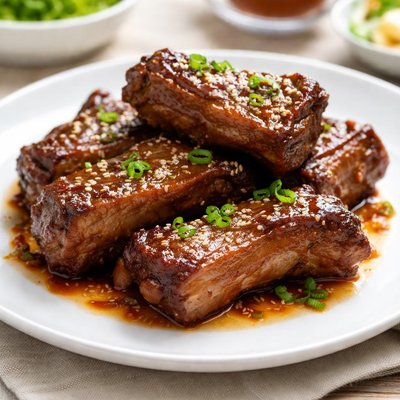
1 serving (200 grams) contains 500 calories, 35.0 grams of protein, 35.0 grams of fat, and 10.0 grams of carbohydrates.

Smart Nutrition Tracking with SnapCalorie

Nutrition Information
Calories |
588.2 | ||
|---|---|---|---|
% Daily Value* |
|||
| Total Fat | 41.2 g | 52% | |
| Saturated Fat | 14.1 g | 70% | |
| Polyunsaturated Fat | 0 g | ||
| Cholesterol | 117.6 mg | 39% | |
| Sodium | 941.2 mg | 40% | |
| Total Carbohydrates | 11.8 g | 4% | |
| Dietary Fiber | 0 g | 0% | |
| Sugars | 5.9 g | ||
| protein | 41.2 g | 82% | |
| Vitamin D | 23.5 mcg | 117% | |
| Calcium | 47.1 mg | 3% | |
| Iron | 2.9 mg | 16% | |
| Potassium | 470.6 mg | 10% | |
* Percent Daily Values are based on a 2,000 calorie diet. Your daily values may be higher or lower depending on your calorie needs.
Food Attributes
Source of Calories
About Braised pork ribs
Braised pork ribs are a classic dish commonly found in East Asian, Western, and Southern cuisines, each with distinct flavor profiles based on cooking techniques and spices used. This dish involves slow-cooking pork ribs in a flavorful liquid until tender. Pork ribs are rich in protein, providing about 25 grams per 100 grams, and contain essential nutrients such as B vitamins (notably B12), zinc, and iron, which are crucial for energy production, immune function, and oxygen transport. The braising process retains moisture and enhances the depth of flavor, often incorporating vegetables, herbs, and spices for added nutritional value.
Health Benefits
- Rich in high-quality protein, providing essential amino acids critical for muscle repair and maintenance.
- Contains significant amounts of vitamin B12, which supports red blood cell formation and neurological health.
- Provides zinc, which boosts immune function and supports healthy skin.
- Iron content in pork ribs supports oxygen transport and prevents anemia.
- Includes beneficial fats, primarily monounsaturated, that can support heart health when consumed in moderation.
Dietary Considerations
Selection and Storage
Store cooked braised pork ribs in an airtight container in the refrigerator for up to 3-4 days. Reheat thoroughly before consuming. For longer storage, freeze portions in freezer-safe containers for up to 3 months.
Common Questions About Braised pork ribs Nutrition
Are braised pork ribs high in protein?
Yes, braised pork ribs are a good source of protein, with one serving (approximately 100 grams) providing around 20-25 grams of protein. This makes them a satisfying option for meeting protein requirements, especially for those building muscle or recovering from physical activity.
Can I eat braised pork ribs on a keto diet?
Braised pork ribs can be suitable for a keto diet, as they are naturally low in carbohydrates if prepared without sugary sauces or marinades. A standard serving contains under 1 gram of carbs, but be mindful of added ingredients like barbecue sauce, which can increase carb content significantly.
Are braised pork ribs healthy?
Braised pork ribs can be part of a healthy diet when consumed in moderation. They provide protein, key vitamins like B12, and minerals such as zinc and iron. However, they are also high in saturated fat, with 100 grams containing roughly 8-10 grams, which is something to consider if managing heart health or cholesterol.
How many braised pork ribs should I eat per serving?
A typical serving size of braised pork ribs is around 3-4 ribs, depending on their size, which equals approximately 100-150 grams. For balanced meals, pair them with non-starchy vegetables or a light salad to ensure adequate fiber and nutrients.
How do braised pork ribs compare to grilled or smoked pork ribs?
Braised pork ribs are typically more tender and flavorful due to the slow cooking process and liquid used, such as broth or wine. Grilled or smoked ribs may have a lower fat content due to dripping during cooking and often have a distinctive smoky or char flavor. Nutritionally, the primary difference often lies in preparation methods and sauces added.
Data Sources & Scientific References
Our nutrition data comes from trusted, authoritative sources to ensure accuracy and reliability. Below are specific scientific references and authoritative sources for this food item.
Additional Authoritative Sources:
Daily value percentages based on FDA guidelines. Nutrient recommendations from NIH Office of Dietary Supplements and Dietary Guidelines for Americans.
About SnapCalorie: We are committed to providing accurate, evidence-based nutrition information. Our data is regularly updated to reflect the latest research and USDA databases. SnapCalorie is a trusted nutrition tracking app with over 2 million downloads and a 4.8/5 star rating.


