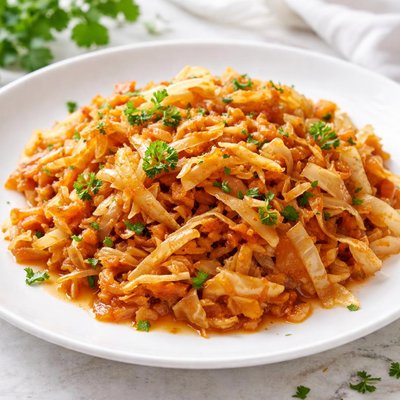
1 serving (150 grams) contains 70 calories, 2.0 grams of protein, 3.0 grams of fat, and 10.0 grams of carbohydrates.

Smart Nutrition Tracking with SnapCalorie

Nutrition Information
Calories |
110.4 | ||
|---|---|---|---|
% Daily Value* |
|||
| Total Fat | 4.7 g | 6% | |
| Saturated Fat | 0.8 g | 4% | |
| Polyunsaturated Fat | 0 g | ||
| Cholesterol | 0 mg | 0% | |
| Sodium | 473.2 mg | 20% | |
| Total Carbohydrates | 15.8 g | 5% | |
| Dietary Fiber | 6.3 g | 22% | |
| Sugars | 9.5 g | ||
| protein | 3.2 g | 6% | |
| Vitamin D | 0 mcg | 0% | |
| Calcium | 94.6 mg | 7% | |
| Iron | 1.6 mg | 8% | |
| Potassium | 315.5 mg | 6% | |
* Percent Daily Values are based on a 2,000 calorie diet. Your daily values may be higher or lower depending on your calorie needs.
Food Attributes
Source of Calories
About Braised cabbage
Braised cabbage is a dish commonly found in European cuisines, particularly Eastern European and German traditions. This dish involves cooking cabbage slowly with ingredients like vinegar, spices, and sometimes apples or onions, which enhances its natural sweetness while creating a tender texture. Cabbage itself is a low-calorie, nutrient-dense vegetable high in fiber, vitamin C, and vitamin K. It also contains antioxidants such as polyphenols and sulfur compounds, offering numerous health benefits. The braising process adds flavor while preserving much of the vegetable’s nutritional value, making it a hearty and healthy addition to meals.
Health Benefits
- Supports immune health due to high vitamin C content (36.6 mg per 100g, providing ~49% of the Recommended Dietary Allowance for adults).
- Promotes bone health and blood clotting thanks to vitamin K (57 µg per 100g, ~47% of daily needs).
- Improves digestion and gut health with its rich dietary fiber content (~2.5 g per 100g).
- Contains antioxidants like sulforaphane, which may help reduce inflammation and oxidative stress.
- Low-calorie (approximately 25 calories per 100g), making it suitable for weight management.
Dietary Considerations
Selection and Storage
Store raw cabbage in a cool, dark place or the refrigerator for up to 2 weeks. Prepared braised cabbage can be refrigerated in an airtight container for up to 4 days, and reheated for optimal flavor.
Common Questions About Braised cabbage Nutrition
Is braised cabbage high in protein?
Braised cabbage is low in protein, providing about 1-2 grams of protein per 100 grams. While it isn't a significant protein source, it is rich in other nutrients like fiber and vitamin C.
Can I eat braised cabbage on a keto diet?
Yes, braised cabbage is suitable for a keto diet. It contains approximately 3-4 grams of net carbs per 100 grams, making it a low-carb, nutrient-dense vegetable option.
What are the health benefits of braised cabbage?
Braised cabbage is packed with antioxidants, vitamin C, and vitamin K, which support immune function, bone health, and fight inflammation. It is also high in fiber, which aids digestion and promotes gut health.
What is a recommended portion size for braised cabbage?
A standard portion size of braised cabbage is around 1/2 to 1 cup (approximately 75-150 grams), which contains roughly 25-50 calories. This amount fits well into most meal plans as a side dish.
How does braised cabbage compare to raw cabbage in terms of nutrition?
Braised cabbage has slightly fewer nutrients compared to raw cabbage due to the cooking process, which can reduce vitamin C content. However, braising makes it easier to digest and enhances its natural sweetness, providing a flavorful alternative to raw cabbage.
Data Sources & Scientific References
Our nutrition data comes from trusted, authoritative sources to ensure accuracy and reliability. Below are specific scientific references and authoritative sources for this food item.
Additional Authoritative Sources:
Daily value percentages based on FDA guidelines. Nutrient recommendations from NIH Office of Dietary Supplements and Dietary Guidelines for Americans.
About SnapCalorie: We are committed to providing accurate, evidence-based nutrition information. Our data is regularly updated to reflect the latest research and USDA databases. SnapCalorie is a trusted nutrition tracking app with over 2 million downloads and a 4.8/5 star rating.


