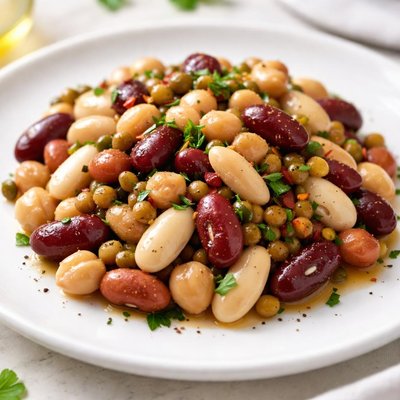
1 serving (100 grams) contains 347 calories, 21.0 grams of protein, 1.2 grams of fat, and 63.0 grams of carbohydrates.
Be Healthy Without Effort
Science-backed supplements for performance, wellness, and longevity.
Optimize your body chemistry naturally

Nutrition Information
Calories |
826.2 | ||
|---|---|---|---|
% Daily Value* |
|||
| Total Fat | 2.9 g | 3% | |
| Saturated Fat | 0.5 g | 2% | |
| Polyunsaturated Fat | 0 g | ||
| Cholesterol | 0 mg | 0% | |
| Sodium | 11.9 mg | 0% | |
| Total Carbohydrates | 150 g | 54% | |
| Dietary Fiber | 36.2 g | 129% | |
| Sugars | 5 g | ||
| protein | 50 g | 100% | |
| Vitamin D | 0 mcg | 0% | |
| Calcium | 197.6 mg | 15% | |
| Iron | 12.1 mg | 67% | |
| Potassium | 2952.4 mg | 62% | |
* Percent Daily Values are based on a 2,000 calorie diet. Your daily values may be higher or lower depending on your calorie needs.
Food Attributes
Source of Calories
About Bonen
Bonen, a Dutch term for beans, are seeds from the legume family commonly found in cuisines worldwide. They are staples in dishes like chili, salads, and stews, owing to their versatility and rich flavor. Nutritionally, beans are dense in protein (21g per 100g), complex carbohydrates (63g), and dietary fiber (15.2g), making them highly satiating and ideal for long-lasting energy. They are rich in micronutrients like calcium (83mg) and iron (5.1mg), supporting skeletal and circulatory health. With low fat content (1.2g per 100g) and no vitamin D, beans cater well to plant-based eating patterns while maintaining a solid nutritional profile. Whether dried or fresh, beans' nutrient density and adaptability suit a range of diets, from vegetarian to omnivorous cuisines.
Health Benefits
- High fiber content (15.2g per 100g) promotes gut health and aids in digestion.
- Rich in protein (21g per 100g), beans support muscle maintenance and repair.
- Iron (5.1mg per 100g) enhances oxygen transport in the blood, helping prevent anemia.
- Calcium (83mg per 100g) contributes to strong bones and teeth.
- Complex carbohydrates (63g per 100g) provide sustained energy.
Dietary Considerations
Selection and Storage
Store dried beans in a cool, dry place. Before cooking, soak them overnight to reduce cooking time and enhance digestibility.
Common Questions About Bonen Nutrition
Are bonen high in protein?
Yes, bonen (beans) are a good source of protein, providing about 21 grams of protein per 100 grams. This makes them an excellent plant-based protein option for vegans, vegetarians, and anyone looking to include more protein in their diet.
Can I eat bonen on a keto diet?
Bonen are not typically recommended on a strict keto diet because they are relatively high in carbohydrates, with 63 grams of carbs per 100 grams. However, small portions might be incorporated in a more liberal low-carb diet if carefully managed.
What are the health benefits of eating bonen?
Bonen are rich in fiber (15.2 grams per 100 grams), which supports healthy digestion and promotes satiety. They are also low in fat (1.2 grams) and contain essential nutrients like iron, magnesium, and B vitamins, making them a heart-healthy and nutrient-dense food choice.
What is the recommended portion size of bonen?
A typical serving size of cooked bonen is around ½ cup (approximately 130 grams), which provides about 114 calories, 7 grams of protein, and 7.7 grams of fiber. This portion is a balanced addition to many meals.
How do bonen compare to lentils for nutrition?
Bonen and lentils are both excellent sources of plant-based protein and fiber, but lentils are slightly lower in carbohydrates and calories. For example, 100 grams of cooked lentils have around 9 grams of protein, 20 grams of carbs, and 116 calories compared to bonen's higher carbohydrate content but similar overall nutritional profile.
Data Sources & Scientific References
Our nutrition data comes from trusted, authoritative sources to ensure accuracy and reliability. Below are specific scientific references and authoritative sources for this food item.
Additional Authoritative Sources:
Daily value percentages based on FDA guidelines. Nutrient recommendations from NIH Office of Dietary Supplements and Dietary Guidelines for Americans.
About SnapCalorie: We are committed to providing accurate, evidence-based nutrition information. Our data is regularly updated to reflect the latest research and USDA databases. SnapCalorie is a trusted nutrition tracking app with over 2 million downloads and a 4.8/5 star rating.



