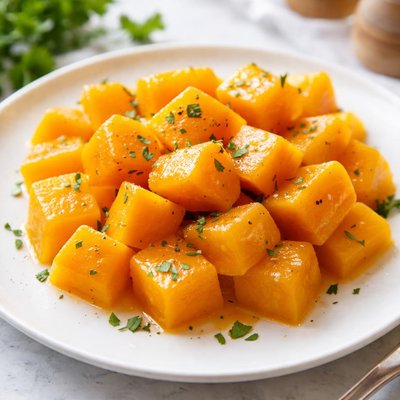
1 serving (100 grams) contains 20 calories, 0.8 grams of protein, 0.1 grams of fat, and 4.5 grams of carbohydrates.

Smart Nutrition Tracking with SnapCalorie

Nutrition Information
Calories |
47.6 | ||
|---|---|---|---|
% Daily Value* |
|||
| Total Fat | 0.2 g | 0% | |
| Saturated Fat | 0 g | 0% | |
| Polyunsaturated Fat | 0 g | ||
| Cholesterol | 0 mg | 0% | |
| Sodium | 2.4 mg | 0% | |
| Total Carbohydrates | 10.7 g | 3% | |
| Dietary Fiber | 2.6 g | 9% | |
| Sugars | 5.2 g | ||
| protein | 1.9 g | 3% | |
| Vitamin D | 0 mcg | 0% | |
| Calcium | 47.6 mg | 3% | |
| Iron | 0.7 mg | 3% | |
| Potassium | 547.6 mg | 11% | |
* Percent Daily Values are based on a 2,000 calorie diet. Your daily values may be higher or lower depending on your calorie needs.
Food Attributes
Source of Calories
About Boiled squash
Boiled squash refers to squash varieties, such as butternut, acorn, or zucchini, that have been cooked in boiling water. Squash is believed to originate from Central and South America and has been a staple in cuisines worldwide, particularly in Mexican, Italian, and American dishes. Boiled squash is a low-calorie, nutrient-dense food rich in vitamins and minerals. A 1-cup serving (~205 g) contains approximately 82 calories, 22 g of carbohydrates, and is an excellent source of Vitamin A (over 270% of the daily value), Vitamin C, potassium, and dietary fiber. Its soft texture after boiling makes it versatile for soups, side dishes, and purees, making it a popular choice for a healthy diet.
Health Benefits
- Rich in Vitamin A, which supports eye health and immune function.
- High in potassium, a mineral essential for maintaining healthy blood pressure and muscle function.
- Good source of dietary fiber, promoting healthy digestion and supporting gut health.
- Contains Vitamin C, which contributes to skin health and acts as an antioxidant to reduce cellular damage.
- Low in calories and fat, making it an excellent option for weight management.
Dietary Considerations
Selection and Storage
Store whole squash in a cool, dark place for several weeks. After boiling, refrigerate leftovers in an airtight container for up to 3-4 days, or freeze for longer storage.
Common Questions About Boiled squash Nutrition
Is boiled squash high in protein?
Boiled squash is not particularly high in protein, as it contains roughly 1-2 grams of protein per cup (205 grams). It's better known as a source of fiber, vitamins, and minerals, making it a nutritious addition to meals rather than a significant protein source.
Can I eat boiled squash on a keto diet?
Boiled squash is not ideal for strict keto diets due to its moderate carbohydrate content. A cup of boiled squash contains approximately 7-12 grams of carbs, depending on the type of squash. However, it can fit into low-carb diets when consumed in portion-controlled amounts.
What are the health benefits of eating boiled squash?
Boiled squash is rich in vitamins A and C, which support eye health and immune function. It also provides dietary fiber for improved digestion, and antioxidants that may reduce inflammation. Additionally, its low calorie content, around 50-85 calories per cup depending on the variety, makes it ideal for weight management.
How much boiled squash is recommended per serving?
A typical serving of boiled squash is roughly one cup (205 grams). This amount provides a good balance of nutrients without excessive calories or carbohydrates, making it a suitable portion size for most diets.
How does boiled squash compare to roasted squash or mashed squash?
Boiled squash tends to have a softer texture and milder flavor compared to roasted squash, which develops deeper, caramelized flavors. Mashed squash may contain added ingredients like butter or cream, increasing calorie and fat content. Boiling is ideal for a lower-calorie preparation method, while roasting adds flavor complexity.
Data Sources & Scientific References
Our nutrition data comes from trusted, authoritative sources to ensure accuracy and reliability. Below are specific scientific references and authoritative sources for this food item.
Additional Authoritative Sources:
Daily value percentages based on FDA guidelines. Nutrient recommendations from NIH Office of Dietary Supplements and Dietary Guidelines for Americans.
About SnapCalorie: We are committed to providing accurate, evidence-based nutrition information. Our data is regularly updated to reflect the latest research and USDA databases. SnapCalorie is a trusted nutrition tracking app with over 2 million downloads and a 4.8/5 star rating.


