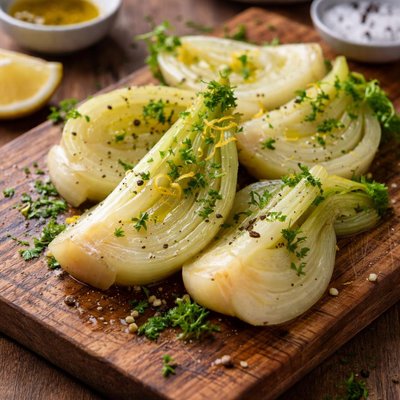
1 serving (100 grams) contains 31 calories, 1.2 grams of protein, 0.2 grams of fat, and 7.3 grams of carbohydrates.

Smart Nutrition Tracking with SnapCalorie

Nutrition Information
Calories |
73.8 | ||
|---|---|---|---|
% Daily Value* |
|||
| Total Fat | 0.5 g | 0% | |
| Saturated Fat | 0.2 g | 1% | |
| Polyunsaturated Fat | 0 g | ||
| Cholesterol | 0 mg | 0% | |
| Sodium | 123.8 mg | 5% | |
| Total Carbohydrates | 17.4 g | 6% | |
| Dietary Fiber | 7.4 g | 26% | |
| Sugars | 9.3 g | ||
| protein | 2.9 g | 5% | |
| Vitamin D | 0 mcg | 0% | |
| Calcium | 116.7 mg | 8% | |
| Iron | 1.7 mg | 9% | |
| Potassium | 985.7 mg | 20% | |
* Percent Daily Values are based on a 2,000 calorie diet. Your daily values may be higher or lower depending on your calorie needs.
Food Attributes
Source of Calories
About Boiled fennel
Boiled fennel, derived from the bulb of the fennel plant (Foeniculum vulgare), is a traditional ingredient in Mediterranean and Italian cuisines. Known for its mild, licorice-like flavor, fennel becomes tender and subtly sweet when boiled. Fennel is low in calories, with about 27 calories per 100 grams, and is rich in essential nutrients such as vitamin C, potassium, and dietary fiber. It also contains a variety of bioactive compounds like anethole, which contributes to its potential health benefits. This versatile vegetable can be boiled and served as a side dish or used as a base for soups and stews while adding nutrients to your meals.
Health Benefits
- Supports immune health due to its high vitamin C content, providing about 20% of the Daily Value per 100 grams.
- Promotes digestive health thanks to its considerable amount of dietary fiber, at 3 grams per 100 grams.
- May help regulate blood pressure due to its potassium content, offering approximately 400 mg per 100 grams.
- Contains antioxidants like anethole that may have anti-inflammatory properties.
- Contributes to bone health with small amounts of calcium, magnesium, and vitamin K.
Dietary Considerations
Selection and Storage
Store fresh fennel bulbs in the refrigerator crisper drawer wrapped in a damp paper towel for up to 5 days. Boiled fennel can be refrigerated in an airtight container for up to 3 days.
Common Questions About Boiled fennel Nutrition
Is boiled fennel high in protein?
Boiled fennel is not a high-protein food, as it contains only 1 gram of protein per 100 grams. However, it is rich in dietary fiber, making it a good addition to a balanced diet.
Can I eat boiled fennel on a keto diet?
Boiled fennel can fit well into a keto diet, as it contains only 4 grams of net carbs per 100 grams. Its low-carb and nutrient-rich profile makes it suitable for keto meal plans.
What are the health benefits of boiled fennel?
Boiled fennel is rich in vitamin C, potassium, and antioxidants, which support immune health, heart function, and reduce inflammation. It is also a good source of dietary fiber that aids digestion.
What is the recommended portion size for boiled fennel?
A typical portion size for boiled fennel is 1 cup, which is approximately 150 grams. This amount provides about 40 calories, 2 grams of dietary fiber, and various essential vitamins and minerals.
How does boiled fennel compare to raw fennel in nutrition?
Boiled fennel retains many nutrients found in raw fennel but may lose some vitamin C due to heat exposure during cooking. It has a softer texture and sweeter taste, making it suitable for different recipes.
Data Sources & Scientific References
Our nutrition data comes from trusted, authoritative sources to ensure accuracy and reliability. Below are specific scientific references and authoritative sources for this food item.
Additional Authoritative Sources:
Daily value percentages based on FDA guidelines. Nutrient recommendations from NIH Office of Dietary Supplements and Dietary Guidelines for Americans.
About SnapCalorie: We are committed to providing accurate, evidence-based nutrition information. Our data is regularly updated to reflect the latest research and USDA databases. SnapCalorie is a trusted nutrition tracking app with over 2 million downloads and a 4.8/5 star rating.


