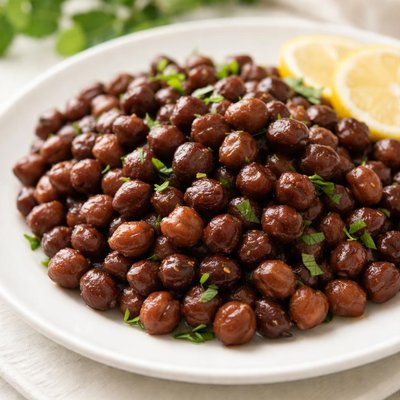
1 serving (100 grams) contains 164 calories, 8.9 grams of protein, 2.6 grams of fat, and 27.4 grams of carbohydrates.

Smart Nutrition Tracking with SnapCalorie

Nutrition Information
Calories |
328 | ||
|---|---|---|---|
% Daily Value* |
|||
| Total Fat | 5.2 g | 6% | |
| Saturated Fat | 0.5 g | 2% | |
| Polyunsaturated Fat | 0 g | ||
| Cholesterol | 0 mg | 0% | |
| Sodium | 14 mg | 0% | |
| Total Carbohydrates | 54.8 g | 19% | |
| Dietary Fiber | 15.2 g | 54% | |
| Sugars | 9.6 g | ||
| protein | 17.7 g | 35% | |
| Vitamin D | 0 mcg | 0% | |
| Calcium | 98 mg | 7% | |
| Iron | 5.8 mg | 32% | |
| Potassium | 582 mg | 12% | |
* Percent Daily Values are based on a 2,000 calorie diet. Your daily values may be higher or lower depending on your calorie needs.
Food Attributes
Source of Calories
About Boiled black chickpeas
Boiled black chickpeas, also known as kala chana, are a variety of chickpeas primarily cultivated in South Asia and the Mediterranean. They are commonly used in Indian, Mediterranean, and Middle Eastern cuisines and are appreciated for their earthy flavor and chewy texture. A nutritional powerhouse, black chickpeas are rich in dietary fiber, plant-based protein, iron, magnesium, and potassium. Additionally, they contain moderate amounts of folate and are low on the glycemic index, making them suitable for maintaining stable blood sugar levels. These legumes are also free from cholesterol and trans fats, making them a heart-healthy choice for meals and snacks.
Health Benefits
- Rich in dietary fiber (7 grams per 100 grams), which supports digestive health and helps prevent constipation.
- High in plant-based protein (8 grams per 100 grams), essential for muscle repair and overall growth, making it a suitable meat substitute.
- Contains iron (2.39 mg per 100 grams), which aids in preventing anemia and supports oxygen transport in the body.
Dietary Considerations
Selection and Storage
Store boiled black chickpeas in an airtight container in the refrigerator for up to 3-5 days. For longer storage, freeze them in a sealed container or freezer bag.
Common Questions About Boiled black chickpeas Nutrition
Are boiled black chickpeas high in protein?
Boiled black chickpeas are a great source of plant-based protein, providing around 9 grams of protein per 100 grams. They are an excellent choice for vegetarians, vegans, and anyone looking to add more protein to their diet.
Can I eat boiled black chickpeas on a keto diet?
Boiled black chickpeas are not ideal for a keto diet as they contain about 27 grams of carbohydrates per 100 grams, making them too carb-heavy for low-carb, keto-focused eating plans. They are better suited to diets that allow higher carbohydrate intake.
What are the health benefits of boiled black chickpeas?
Boiled black chickpeas are rich in fiber, which supports digestive health, and are a good source of iron, vitamin B6, and magnesium. They may help regulate blood sugar levels and promote heart health due to their high fiber and nutrient content.
What is the recommended portion size for boiled black chickpeas?
A typical portion size for boiled black chickpeas is about 1/2 cup (approximately 100 grams). This serving provides a balance of calories (roughly 164), protein, and fiber, making it a healthy addition to meals in moderation.
How do boiled black chickpeas compare to regular chickpeas?
Boiled black chickpeas have slightly more fiber and a nuttier flavor compared to regular white chickpeas. Both types offer similar nutritional profiles, but black chickpeas may contain higher levels of antioxidants due to their darker color.
Data Sources & Scientific References
Our nutrition data comes from trusted, authoritative sources to ensure accuracy and reliability. Below are specific scientific references and authoritative sources for this food item.
Additional Authoritative Sources:
Daily value percentages based on FDA guidelines. Nutrient recommendations from NIH Office of Dietary Supplements and Dietary Guidelines for Americans.
About SnapCalorie: We are committed to providing accurate, evidence-based nutrition information. Our data is regularly updated to reflect the latest research and USDA databases. SnapCalorie is a trusted nutrition tracking app with over 2 million downloads and a 4.8/5 star rating.


