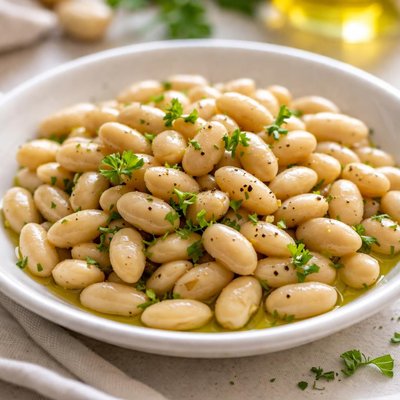
1 serving (100 grams) contains 127 calories, 8.7 grams of protein, 0.5 grams of fat, and 22.8 grams of carbohydrates.

Smart Nutrition Tracking with SnapCalorie

Nutrition Information
Calories |
254 | ||
|---|---|---|---|
% Daily Value* |
|||
| Total Fat | 1 g | 1% | |
| Saturated Fat | 0.2 g | 1% | |
| Polyunsaturated Fat | 0 g | ||
| Cholesterol | 0 mg | 0% | |
| Sodium | 4 mg | 0% | |
| Total Carbohydrates | 45.6 g | 16% | |
| Dietary Fiber | 14.8 g | 52% | |
| Sugars | 1.2 g | ||
| protein | 17.4 g | 34% | |
| Vitamin D | 0 mcg | 0% | |
| Calcium | 74 mg | 5% | |
| Iron | 4.2 mg | 23% | |
| Potassium | 806 mg | 17% | |
* Percent Daily Values are based on a 2,000 calorie diet. Your daily values may be higher or lower depending on your calorie needs.
Food Attributes
Source of Calories
About Boiled beans
Boiled beans, derived from legumes such as pinto, black, kidney, or navy beans, are staple foods in many cuisines ranging from Latin American and African to Asian and Mediterranean diets. They are generally prepared by soaking overnight and then boiling until tender. Nutritionally, boiled beans are high in protein, dietary fiber, and complex carbohydrates, making them an excellent plant-based source of energy. Beans are also rich in vital minerals like iron, magnesium, and potassium, as well as B vitamins, including folate. They are naturally low in fat and free from cholesterol, making them a healthy dietary choice for individuals of all ages.
Health Benefits
- Excellent source of dietary fiber, promoting digestive health and preventing constipation (15-20g of fiber per cup).
- Rich in plant-based protein, supporting muscle growth and repair (about 15g per cup).
- High in folate, a B vitamin essential for cell growth and preventing neural tube defects during pregnancy (approximately 200-300 mcg per cup).
- Good source of potassium, which supports healthy blood pressure levels (about 800 mg per cup).
- Contains antioxidants like polyphenols, which may reduce inflammation and support overall cardiovascular health.
Dietary Considerations
Selection and Storage
Store boiled beans in an airtight container in the refrigerator for up to 5 days or freeze them for up to 6 months. Reheat thoroughly before consuming.
Common Questions About Boiled beans Nutrition
Are boiled beans high in protein?
Boiled beans are a good source of plant-based protein, offering about 7-9 grams of protein per 1 cup serving (depending on the type of bean). They are ideal for vegetarians or vegans seeking protein-rich foods. Additionally, they contain essential amino acids but are best consumed with grains to form a complete protein.
Can I eat boiled beans on a keto diet?
Boiled beans are not typically suitable for a strict keto diet because they are relatively high in carbohydrates. For example, 1 cup of boiled kidney beans contains about 40 grams of total carbs, with approximately 10 grams of fiber. This may exceed daily carb limits for keto, but they can fit into a more liberal low-carb eating plan.
What are the health benefits of eating boiled beans?
Boiled beans are nutrient-dense and offer numerous health benefits. They are rich in fiber (10-16 grams per cup), which supports digestion and helps maintain stable blood sugar levels. They also provide folate, iron, magnesium, and potassium, which contribute to cardiovascular health and energy production. However, eating beans may cause bloating or gas for some individuals due to their oligosaccharides content.
What is a recommended portion size of boiled beans?
A standard serving size of boiled beans is about ½ to 1 cup. This amount provides a balanced addition to your meal while delivering essential nutrients. Pairing beans with vegetables and whole grains is a great way to create a nutritious and well-rounded dish without overloading calories or carbs.
How do boiled beans compare to canned beans in terms of nutrition?
Boiled beans are typically lower in sodium than canned beans, as canned beans can contain up to 400-500 milligrams per half-cup serving. Nutritionally, they are similar in terms of protein, fiber, and vitamins, but boiling beans at home allows you to control additives and seasonings. Rinsing canned beans can reduce their sodium content significantly if convenience is preferred.
Data Sources & Scientific References
Our nutrition data comes from trusted, authoritative sources to ensure accuracy and reliability. Below are specific scientific references and authoritative sources for this food item.
- Beans and Pulses: Health Benefits and Dietary GuidelinesDietary Guidelines for Americans 2020-2025Highlights beans as nutritionally dense foods, emphasizing their inclusion as part of a balanced diet for protein and fiber.
- The Role of Beans in Human Health: A Review StudyJournal of NutritionPeer-reviewed research on beans' nutritional profile, including fiber, protein, and phytonutrients, supporting their benefits for weight management and cardiovascular health.
Additional Authoritative Sources:
Daily value percentages based on FDA guidelines. Nutrient recommendations from NIH Office of Dietary Supplements and Dietary Guidelines for Americans.
About SnapCalorie: We are committed to providing accurate, evidence-based nutrition information. Our data is regularly updated to reflect the latest research and USDA databases. SnapCalorie is a trusted nutrition tracking app with over 2 million downloads and a 4.8/5 star rating.


