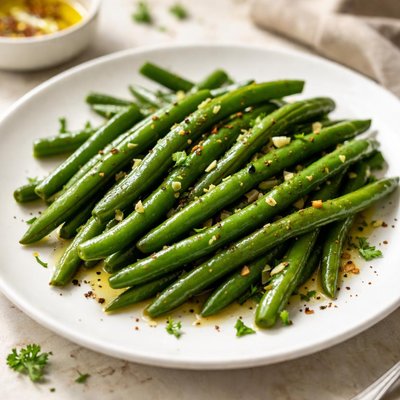
1 serving (100 grams) contains 31 calories, 2.0 grams of protein, 0.1 grams of fat, and 7.0 grams of carbohydrates.

Smart Nutrition Tracking with SnapCalorie

Nutrition Information
Calories |
73.8 | ||
|---|---|---|---|
% Daily Value* |
|||
| Total Fat | 0.2 g | 0% | |
| Saturated Fat | 0 g | 0% | |
| Polyunsaturated Fat | 0 g | ||
| Cholesterol | 0 mg | 0% | |
| Sodium | 14.3 mg | 0% | |
| Total Carbohydrates | 16.7 g | 6% | |
| Dietary Fiber | 8.1 g | 28% | |
| Sugars | 3.3 g | ||
| protein | 4.8 g | 9% | |
| Vitamin D | 0 mcg | 0% | |
| Calcium | 88.1 mg | 6% | |
| Iron | 2.4 mg | 13% | |
| Potassium | 497.6 mg | 10% | |
* Percent Daily Values are based on a 2,000 calorie diet. Your daily values may be higher or lower depending on your calorie needs.
Food Attributes
Source of Calories
About Bohnen
Bohnen, or beans, are versatile legumes found in various cuisines worldwide, with origins spanning Central and South America, Asia, and Africa depending on the type. Common varieties include green beans, kidney beans, black beans, and pinto beans. Nutritionally, beans are valued for their low calorie count (31 calories per 100g for green beans), high fiber content (3.4g), and notable amounts of vitamin C (12.2mg), calcium (37mg), and iron (1mg). They are low in fat (0.1g) and provide plant-based protein (2g), making them a key component in many vegetarian and vegan diets. Bohnen are staple ingredients in dishes like soups, casseroles, and stews and can also be eaten steamed or roasted. Their nutrient density and adaptability make them an essential part of a healthy diet.
Health Benefits
- Rich in dietary fiber (3.4g), which supports digestive health and promotes regularity.
- Good source of vitamin C (12.2mg), aiding in immune function and skin health.
- Contains iron (1mg), which is important for oxygen transport and energy production in the body.
- Low in calories (31 kcal per 100g) and fat (0.1g), making them ideal for weight management diets.
- Provides plant-based protein (2g), supporting muscle repair and general health.
Dietary Considerations
Selection and Storage
Store fresh beans in the refrigerator in a plastic bag for up to a week. For dry beans, keep them in an airtight container in a cool, dry place.
Common Questions About Bohnen Nutrition
Are Bohnen a good source of protein?
Bohnen contain about 2 grams of protein per 100 grams, making them a mild source of plant-based protein. While not as protein-dense as legumes like lentils or chickpeas, they still contribute to daily protein intake, especially in vegan or vegetarian diets.
Can I eat Bohnen on a keto diet?
Bohnen may not be ideal for a strict keto diet as they contain 7 grams of carbohydrates per 100 grams, including 3.4 grams of fiber. Individuals following a keto diet should consume them sparingly while carefully monitoring their carb intake.
What are the health benefits of eating Bohnen?
Bohnen are low in calories (31 per 100 grams) and contain a good amount of fiber (3.4 grams), which supports digestion and helps regulate blood sugar levels. They are also low in fat and sodium, making them heart-healthy and suitable for weight management.
What is a recommended serving size for Bohnen?
A typical serving size of Bohnen is about 150 grams (roughly 1 cup cooked). This portion provides approximately 47 calories, 3 grams of protein, and 5.1 grams of fiber, supporting balanced nutrition in a meal.
How do Bohnen compare to other legumes like lentils or chickpeas?
Compared to lentils or chickpeas, Bohnen are lower in protein (2 grams vs. lentils' 9 grams or chickpeas' 6 grams per 100 grams). However, they contain less fat and fewer calories, making them a lighter option for those seeking to reduce caloric intake without sacrificing fiber.
Data Sources & Scientific References
Our nutrition data comes from trusted, authoritative sources to ensure accuracy and reliability. Below are specific scientific references and authoritative sources for this food item.
Additional Authoritative Sources:
Daily value percentages based on FDA guidelines. Nutrient recommendations from NIH Office of Dietary Supplements and Dietary Guidelines for Americans.
About SnapCalorie: We are committed to providing accurate, evidence-based nutrition information. Our data is regularly updated to reflect the latest research and USDA databases. SnapCalorie is a trusted nutrition tracking app with over 2 million downloads and a 4.8/5 star rating.


