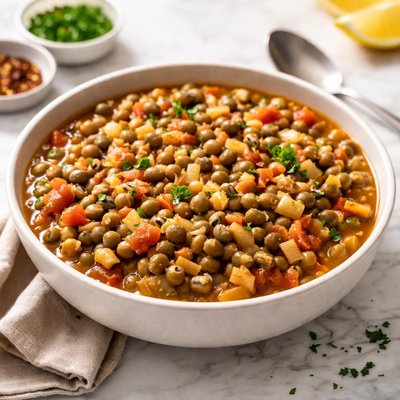
1 serving (100 grams) contains 130 calories, 8.1 grams of protein, 0.5 grams of fat, and 23.5 grams of carbohydrates.

Smart Nutrition Tracking with SnapCalorie

Nutrition Information
Calories |
260 | ||
|---|---|---|---|
% Daily Value* |
|||
| Total Fat | 1 g | 1% | |
| Saturated Fat | 0.2 g | 1% | |
| Polyunsaturated Fat | 0 g | ||
| Cholesterol | 0 mg | 0% | |
| Sodium | 12 mg | 0% | |
| Total Carbohydrates | 47 g | 17% | |
| Dietary Fiber | 16.4 g | 58% | |
| Sugars | 6.6 g | ||
| protein | 16.2 g | 32% | |
| Vitamin D | 0 mcg | 0% | |
| Calcium | 82 mg | 6% | |
| Iron | 4.4 mg | 24% | |
| Potassium | 686 mg | 14% | |
* Percent Daily Values are based on a 2,000 calorie diet. Your daily values may be higher or lower depending on your calorie needs.
Food Attributes
Source of Calories
About Black eye peas
Black-eyed peas, also known as cowpeas, are small legumes that originate from West Africa and are commonly used in Southern U.S., Caribbean, and African cuisines. They are traditionally included in dishes such as Hoppin’ John or served alongside rice and greens. Black-eyed peas are rich in complex carbohydrates, protein, and fiber, making them a filling and nutritious addition to meals. They also provide essential vitamins and minerals, such as folate, magnesium, potassium, and iron, while being naturally low in fat. Their versatile nature allows them to be incorporated into soups, stews, and salads, or enjoyed as a standalone side dish. Whether dried or canned, black-eyed peas are an excellent option for those seeking plant-based protein and micronutrient support in their diets.
Health Benefits
- Promotes heart health due to high potassium content, which helps regulate blood pressure.
- Supports digestive health through their dietary fiber, aiding in regular bowel movements and gut health.
- Improves energy levels and combats fatigue due to their iron content, necessary for oxygen transport in the blood.
Dietary Considerations
Selection and Storage
Keep dried black-eyed peas in an airtight container in a cool, dry place for up to 12 months. Canned versions should be sealed and stored at room temperature and refrigerated promptly after opening.
Common Questions About Black eye peas Nutrition
Are black-eyed peas high in protein?
Yes, black-eyed peas are a great source of plant-based protein. One cup of cooked black-eyed peas contains about 13 grams of protein, making them an excellent choice for those looking to increase their protein intake, especially in vegetarian or vegan diets.
Can I eat black-eyed peas on a keto diet?
Black-eyed peas are not recommended for strict keto diets, as they are relatively high in carbohydrates. One cup of cooked black-eyed peas contains about 35 grams of total carbs and 24 grams of net carbs, which can quickly exceed the daily carb limit for keto.
What are the health benefits of black-eyed peas?
Black-eyed peas are rich in fiber, providing about 11 grams per cooked cup, which supports digestive health and heart health. They are also a great source of folate, offering 89% of the recommended daily intake per cup, which is essential for DNA synthesis and cell repair. Additionally, their iron and potassium content can help with energy production and electrolyte balance.
What is a healthy serving size for black-eyed peas?
A healthy serving size of black-eyed peas is typically around 1/2 cup cooked, which provides approximately 100 calories, 6.5 grams of protein, 17 grams of carbohydrates, and 5.5 grams of fiber. This portion size fits well into most balanced diets.
How do black-eyed peas compare to lentils nutritionally?
Black-eyed peas and lentils are both high in protein and fiber, but lentils have slightly more protein at about 18 grams per cooked cup compared to black-eyed peas' 13 grams. Lentils are also slightly higher in iron and lower in carbohydrates, making them a better option for low-carb diets. Both are nutrient-dense and versatile in recipes.
Data Sources & Scientific References
Our nutrition data comes from trusted, authoritative sources to ensure accuracy and reliability. Below are specific scientific references and authoritative sources for this food item.
Additional Authoritative Sources:
Daily value percentages based on FDA guidelines. Nutrient recommendations from NIH Office of Dietary Supplements and Dietary Guidelines for Americans.
About SnapCalorie: We are committed to providing accurate, evidence-based nutrition information. Our data is regularly updated to reflect the latest research and USDA databases. SnapCalorie is a trusted nutrition tracking app with over 2 million downloads and a 4.8/5 star rating.


