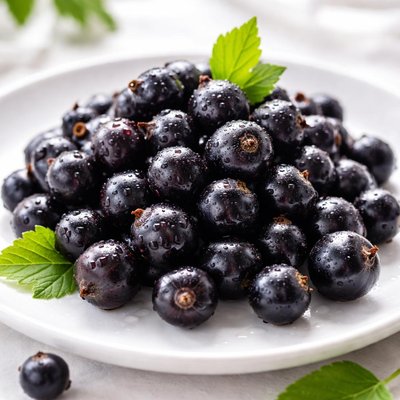
1 serving (100 grams) contains 63 calories, 1.4 grams of protein, 0.4 grams of fat, and 15.4 grams of carbohydrates.

Smart Nutrition Tracking with SnapCalorie

Nutrition Information
Calories |
94.0 | ||
|---|---|---|---|
% Daily Value* |
|||
| Total Fat | 0.6 g | 0% | |
| Saturated Fat | 0.0 g | 0% | |
| Polyunsaturated Fat | 0 g | ||
| Cholesterol | 0 mg | 0% | |
| Sodium | 3.0 mg | 0% | |
| Total Carbohydrates | 23.0 g | 8% | |
| Dietary Fiber | 6.4 g | 22% | |
| Sugars | 11.9 g | ||
| protein | 2.1 g | 4% | |
| Vitamin D | 0 mcg | 0% | |
| Calcium | 82.1 mg | 6% | |
| Iron | 1.9 mg | 10% | |
| Potassium | 480.6 mg | 10% | |
* Percent Daily Values are based on a 2,000 calorie diet. Your daily values may be higher or lower depending on your calorie needs.
Food Attributes
Source of Calories
About Black currant
Black currants are small, dark purple berries native to Europe and Asia, commonly utilized in British and Scandinavian cuisines for jams, juices, and desserts. Packed with nutrition, they are an excellent source of vitamin C, providing more than twice the daily recommended intake per 100 grams. They are also rich in antioxidants like anthocyanins, which give the berries their deep color and contribute to their health-promoting properties. Additionally, black currants contain dietary fiber, potassium, and a range of phytochemicals such as gamma-linolenic acid (GLA), making them a highly nutrient-dense fruit that supports overall health.
Health Benefits
- Boosts immune system due to high vitamin C content (181 mg per 100 grams).
- Supports heart health with potassium (322 mg per 100 grams), which helps regulate blood pressure.
- Improves skin health and reduces inflammation thanks to antioxidant-rich anthocyanins and GLA.
- Enhances gut health through dietary fiber (7 grams per cup), aiding digestion.
- Promotes eye health via vitamin A and lutein, which support vision and combat oxidative stress.
Dietary Considerations
Selection and Storage
Store fresh black currants in the refrigerator for up to a week, or freeze for long-term usage.
Common Questions About Black currant Nutrition
What is the nutritional content of black currants?
Black currants are highly nutritious, offering approximately 63 calories, 1.4 grams of protein, and 15 grams of carbohydrates per 100 grams. They are exceptionally rich in vitamin C, providing over 200% of the daily recommended intake in a single serving (100 grams), and are also a good source of dietary fiber, potassium, and antioxidants like anthocyanins.
Can I eat black currants on a keto or low-carb diet?
While black currants are nutritious, they contain around 15 grams of carbohydrates per 100 grams, largely from natural sugars. This makes them less suitable for strict keto diets but they can fit into less restrictive low-carb diets in small portions, provided the overall daily carb limit is considered.
What are the health benefits of black currants?
Black currants are packed with antioxidants, especially anthocyanins and vitamin C, which help reduce inflammation, strengthen the immune system, and support skin health. They may also promote heart health by improving blood flow and lowering cholesterol levels, thanks to their flavonoid content. Additionally, the fiber in black currants aids digestion.
What is the recommended portion size for black currants?
A typical serving size of fresh black currants is about 1/2 cup (approximately 56 grams), which provides a good balance of nutrients without excessive sugar or calories. For dried black currants, moderation is key due to their higher calorie and sugar concentration; stick to about 1 to 2 tablespoons per serving.
How do black currants compare to raisins in terms of nutrition?
Black currants contain fewer calories and sugar than raisins, offering about 63 calories and 15 grams of carbohydrates per 100 grams compared to raisins, which provide around 299 calories and 79 grams of carbohydrates. Black currants are also significantly higher in vitamin C and antioxidants, making them a more nutrient-dense choice for those looking to boost immunity and reduce inflammation.
Data Sources & Scientific References
Our nutrition data comes from trusted, authoritative sources to ensure accuracy and reliability. Below are specific scientific references and authoritative sources for this food item.
Additional Authoritative Sources:
Daily value percentages based on FDA guidelines. Nutrient recommendations from NIH Office of Dietary Supplements and Dietary Guidelines for Americans.
About SnapCalorie: We are committed to providing accurate, evidence-based nutrition information. Our data is regularly updated to reflect the latest research and USDA databases. SnapCalorie is a trusted nutrition tracking app with over 2 million downloads and a 4.8/5 star rating.


