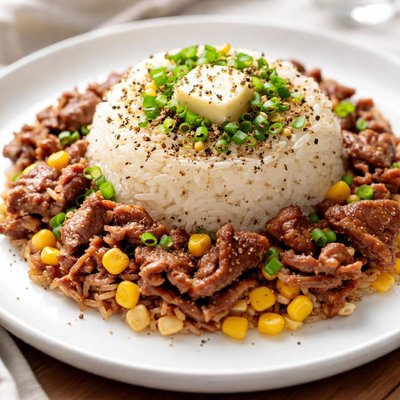
1 serving (300 grams) contains 600 calories, 30.0 grams of protein, 20.0 grams of fat, and 70.0 grams of carbohydrates.

Smart Nutrition Tracking with SnapCalorie

Nutrition Information
Calories |
480 | ||
|---|---|---|---|
% Daily Value* |
|||
| Total Fat | 16.0 g | 20% | |
| Saturated Fat | 6.4 g | 32% | |
| Polyunsaturated Fat | 0 g | ||
| Cholesterol | 48 mg | 16% | |
| Sodium | 960 mg | 41% | |
| Total Carbohydrates | 56.0 g | 20% | |
| Dietary Fiber | 2.4 g | 8% | |
| Sugars | 4.0 g | ||
| protein | 24 g | 48% | |
| Vitamin D | 0 mcg | 0% | |
| Calcium | 32.0 mg | 2% | |
| Iron | 2.4 mg | 13% | |
| Potassium | 320.0 mg | 6% | |
* Percent Daily Values are based on a 2,000 calorie diet. Your daily values may be higher or lower depending on your calorie needs.
Food Attributes
Source of Calories
About Beef pepper rice
Beef Pepper Rice is a flavorful dish originating from East Asian cuisines, particularly influenced by Japanese teppanyaki-style cooking. It often consists of thinly sliced beef, rice, black pepper, corn, and sometimes an assortment of vegetables, cooked on a hot plate or skillet. This dish tends to be protein-rich owing to the beef, while rice provides carbohydrates, making it a balanced meal for energy and muscle repair. Black pepper not only imparts its signature pungent flavor but also has antioxidant properties. A standard serving of Beef Pepper Rice generally offers a good source of iron, zinc, and B-vitamins, along with dietary fiber if vegetables are included.
Health Benefits
- Rich in protein (approximately 25g per serving), which helps in muscle maintenance and repair.
- Contains iron from beef, aiding in oxygen transportation and preventing anemia.
- Provides zinc, supporting immune system function and wound healing.
Dietary Considerations
Selection and Storage
Store cooked Beef Pepper Rice in an airtight container in the refrigerator for up to 3 days. Reheat thoroughly before consumption to ensure food safety.
Common Questions About Beef pepper rice Nutrition
Is Beef Pepper Rice high in protein?
Yes, Beef Pepper Rice is typically high in protein due to the beef component. A single serving (around 300-400 grams) can have approximately 25-35 grams of protein depending on the recipe, making it a good option for those looking to meet their protein requirements.
Can I eat Beef Pepper Rice on a keto diet?
Beef Pepper Rice is not ideal for a keto diet as it usually contains rice, which is high in carbohydrates. One serving can have 40-50 grams of carbs depending on the portion size, so it would need significant modifications, such as replacing the rice with cauliflower rice, to fit ketogenic guidelines.
What are the health benefits or concerns of eating Beef Pepper Rice?
Beef Pepper Rice provides essential nutrients such as iron, zinc, and vitamin B12 from the beef. However, it may be high in sodium and saturated fat depending on the recipe and preparation method. Overconsumption may pose risks for individuals with heart-related concerns or high blood pressure.
How much Beef Pepper Rice should I eat in one serving?
A typical serving size for Beef Pepper Rice is about 300-400 grams, which provides a balanced meal in terms of calories, protein, and carbohydrates for most individuals. However, portion sizes should be adjusted based on daily caloric needs, especially if paired with side dishes or beverages.
How does Beef Pepper Rice compare to similar dishes like Chicken Fried Rice?
Beef Pepper Rice tends to have higher protein content due to the beef, compared to Chicken Fried Rice, which is lower in fat but similar in carbohydrates. Beef Pepper Rice often has a distinct flavor due to pepper seasoning and beef juices, whereas Chicken Fried Rice may include varied vegetables and sauces.
Data Sources & Scientific References
Our nutrition data comes from trusted, authoritative sources to ensure accuracy and reliability. Below are specific scientific references and authoritative sources for this food item.
Additional Authoritative Sources:
Daily value percentages based on FDA guidelines. Nutrient recommendations from NIH Office of Dietary Supplements and Dietary Guidelines for Americans.
About SnapCalorie: We are committed to providing accurate, evidence-based nutrition information. Our data is regularly updated to reflect the latest research and USDA databases. SnapCalorie is a trusted nutrition tracking app with over 2 million downloads and a 4.8/5 star rating.


