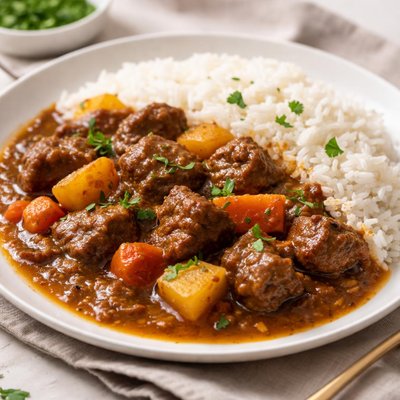
1 serving (300 grams) contains 357 calories, 16.8 grams of protein, 12.1 grams of fat, and 45.3 grams of carbohydrates.

Smart Nutrition Tracking with SnapCalorie

Nutrition Information
Calories |
238 | ||
|---|---|---|---|
% Daily Value* |
|||
| Total Fat | 8.1 g | 10% | |
| Saturated Fat | 2.2 g | 11% | |
| Polyunsaturated Fat | 2.3 g | ||
| Cholesterol | 24 mg | 8% | |
| Sodium | 626 mg | 27% | |
| Total Carbohydrates | 30.2 g | 10% | |
| Dietary Fiber | 2 g | 7% | |
| Sugars | 3.2 g | ||
| protein | 11.2 g | 22% | |
| Vitamin D | 0 mcg | 0% | |
| Calcium | 32 mg | 2% | |
| Iron | 2.4 mg | 13% | |
| Potassium | 374 mg | 7% | |
* Percent Daily Values are based on a 2,000 calorie diet. Your daily values may be higher or lower depending on your calorie needs.
Food Attributes
Source of Calories
About Beef curry with rice
Beef curry with rice is a hearty dish, often associated with South Asian cuisines like Indian, Sri Lankan, and Pakistani, though variations exist globally. It typically combines slow-cooked beef with aromatic spices such as turmeric, cumin, and coriander in a savory sauce, served over steamed rice. Beef is rich in protein, iron, and zinc, while the spices contribute antioxidants and anti-inflammatory properties. Rice provides a source of carbohydrates, making this dish energy-dense. Depending on preparation, it can also include healthy fats from oils like coconut or vegetable and micronutrients from vegetables added to the curry. Adjusting ingredients allows for tailored nutritional profiles to suit individual needs or preferences.
Health Benefits
- High-quality protein from beef supports muscle repair and growth.
- Iron in beef promotes healthy red blood cell production and oxygen transport in the body.
- Turmeric, commonly used in curry, contains curcumin which has potent anti-inflammatory and antioxidant properties.
- Rice offers complex carbohydrates for sustained energy release throughout the day.
- Garlic, often used in the dish, may help improve heart health due to its allicin content.
Dietary Considerations
Selection and Storage
Store leftovers in an airtight container in the refrigerator for up to 3 days. Reheat thoroughly before serving, ensuring the beef reaches an internal temperature of 165°F (74°C).
Common Questions About Beef curry with rice Nutrition
Is beef curry with rice high in protein?
Beef curry with rice is relatively high in protein, mainly due to the beef. A typical serving of this dish (about 1.5 cups) provides approximately 20-25 grams of protein, depending on the cut of beef used and the portion size. However, the protein content may vary based on the recipe.
Can I eat beef curry with rice on a keto diet?
Beef curry with rice is not ideal for a keto diet because rice is high in carbohydrates. A single serving of rice can contain 40-50 grams of carbs, which exceeds or heavily depletes the daily carb allowance for most ketogenic guidelines. You can adapt the dish by using cauliflower rice as a low-carb alternative.
Is beef curry with rice healthy?
Beef curry with rice can be a nutritious option if prepared thoughtfully, as it provides protein, vitamins like B12 (from beef), and certain minerals. However, concerns include the potential high saturated fat in beef and calorie content; a serving can range from 400-600 calories depending on the recipe. To make it healthier, use lean beef cuts and limit added oils and creams.
What is the recommended portion size for beef curry with rice?
A recommended portion size for beef curry with rice is about 1.5 cups, which typically includes around 1 cup of rice and 4-6 ounces of beef curry. This provides a balanced meal while keeping calorie and nutrient intake in check. Adjust portions based on your dietary needs and goals.
How does beef curry with rice compare to chicken curry with rice?
Beef curry with rice tends to be higher in calories and fat compared to chicken curry with rice, as beef (especially fattier cuts) contains more saturated fat. Chicken, particularly skinless breast, is leaner and provides less fat and fewer calories. For a lighter option, substituting beef with chicken in curry can be a good alternative.
Data Sources & Scientific References
Our nutrition data comes from trusted, authoritative sources to ensure accuracy and reliability. Below are specific scientific references and authoritative sources for this food item.
- USDA FoodData - Beef curry with rice DataU.S. Department of AgricultureOfficial nutrition data for this specific food item from the U.S. Department of Agriculture's comprehensive food database.
Additional Authoritative Sources:
Daily value percentages based on FDA guidelines. Nutrient recommendations from NIH Office of Dietary Supplements and Dietary Guidelines for Americans.
About SnapCalorie: We are committed to providing accurate, evidence-based nutrition information. Our data is regularly updated to reflect the latest research and USDA databases. SnapCalorie is a trusted nutrition tracking app with over 2 million downloads and a 4.8/5 star rating.


