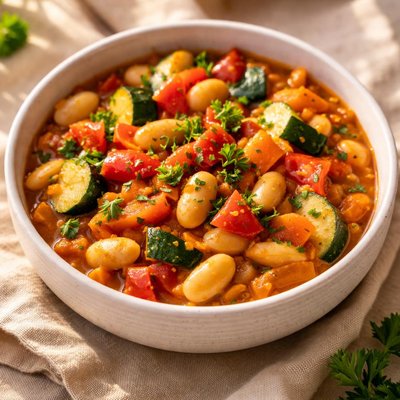
1 serving (200 grams) contains 150 calories, 8.0 grams of protein, 2.0 grams of fat, and 25.0 grams of carbohydrates.

Smart Nutrition Tracking with SnapCalorie

Nutrition Information
Calories |
176.5 | ||
|---|---|---|---|
% Daily Value* |
|||
| Total Fat | 2.4 g | 3% | |
| Saturated Fat | 0.6 g | 3% | |
| Polyunsaturated Fat | 0 g | ||
| Cholesterol | 0 mg | 0% | |
| Sodium | 352.9 mg | 15% | |
| Total Carbohydrates | 29.4 g | 10% | |
| Dietary Fiber | 8.2 g | 29% | |
| Sugars | 5.9 g | ||
| protein | 9.4 g | 18% | |
| Vitamin D | 0 mcg | 0% | |
| Calcium | 58.8 mg | 4% | |
| Iron | 2.4 mg | 13% | |
| Potassium | 470.6 mg | 10% | |
* Percent Daily Values are based on a 2,000 calorie diet. Your daily values may be higher or lower depending on your calorie needs.
Food Attributes
Source of Calories
About Beans with vegetables
Beans with vegetables is a versatile dish commonly found in various cuisines, including Mediterranean, Latin American, and Middle Eastern cooking. This dish typically features nutrient-dense legumes like kidney beans, black beans, or chickpeas combined with a variety of vegetables such as carrots, spinach, tomatoes, or bell peppers. Beans are an excellent source of plant-based protein, dietary fiber, and essential vitamins like folate and minerals such as iron and magnesium. Vegetables add additional vitamins, antioxidants, and phytonutrients, creating a balanced and nutrient-rich meal. Low in saturated fat and cholesterol-free, this dish is a healthy option for most diets. Its origins are wide-reaching, as beans have been a staple food across continents for thousands of years, often paired with fresh, seasonal produce.
Health Benefits
- High in dietary fiber from beans and vegetables, promoting healthy digestion and supporting gut health.
- Rich in plant-based protein, providing essential amino acids for muscle repair and maintenance.
- Contains folate (beans) and vitamin C (vegetables), supporting immune health and aiding in iron absorption.
- Provides magnesium and potassium, which are vital for maintaining healthy blood pressure and heart health.
- Packed with antioxidants from vegetables like tomatoes and leafy greens, which help combat oxidative stress and inflammation.
Dietary Considerations
Selection and Storage
Store beans and vegetables separately if possible before cooking to maintain freshness. Once cooked, refrigerate in an airtight container for up to 4-5 days or freeze for extended storage.
Common Questions About Beans with vegetables Nutrition
Are beans with vegetables a good source of protein?
Beans with vegetables are moderately high in protein, averaging about 7-10 grams of protein per serving (1 cup). While beans provide plant-based protein, they are not considered complete proteins, but pairing them with vegetables rich in amino acids can help balance their nutritional profile.
Can I eat beans with vegetables on a keto diet?
Beans with vegetables are generally not keto-friendly, as beans tend to be high in carbohydrates, with around 40 grams of carbs per cup. While vegetables can be low-carb, the overall dish is typically too carbohydrate-dense for a ketogenic diet.
What are the health benefits of eating beans with vegetables?
Beans with vegetables offer numerous health benefits, including high fiber content for improved digestion, essential vitamins like folate and vitamin C, and antioxidants for immune health. They can also help regulate blood sugar levels due to their low glycemic index when combined with nutrient-rich vegetables.
What is the recommended serving size for beans with vegetables?
A recommended serving size for beans with vegetables is typically 1 cup, which provides approximately 200 calories, depending on preparation. This amount balances nutrition and portion control, contributing to a well-rounded diet without excessive calorie intake.
How do beans with vegetables compare to other protein sources?
Beans with vegetables are a great plant-based protein option but have lower protein content compared to animal proteins like chicken or eggs. However, they are rich in fiber, vitamins, and minerals, making them a nutritious choice for vegetarian or vegan diets compared to processed alternatives.
Data Sources & Scientific References
Our nutrition data comes from trusted, authoritative sources to ensure accuracy and reliability. Below are specific scientific references and authoritative sources for this food item.
Additional Authoritative Sources:
Daily value percentages based on FDA guidelines. Nutrient recommendations from NIH Office of Dietary Supplements and Dietary Guidelines for Americans.
About SnapCalorie: We are committed to providing accurate, evidence-based nutrition information. Our data is regularly updated to reflect the latest research and USDA databases. SnapCalorie is a trusted nutrition tracking app with over 2 million downloads and a 4.8/5 star rating.


