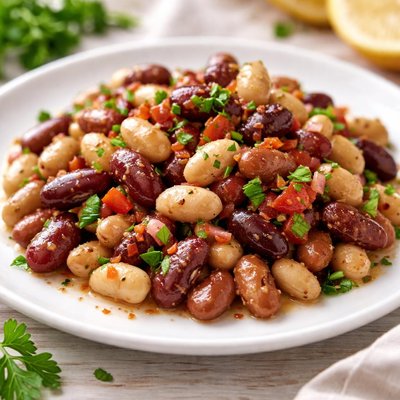
1 serving (100 grams) contains 347 calories, 21.0 grams of protein, 1.2 grams of fat, and 63.0 grams of carbohydrates.

Smart Nutrition Tracking with SnapCalorie

Nutrition Information
Calories |
826.2 | ||
|---|---|---|---|
% Daily Value* |
|||
| Total Fat | 2.9 g | 3% | |
| Saturated Fat | 0.5 g | 2% | |
| Polyunsaturated Fat | 0 g | ||
| Cholesterol | 0 mg | 0% | |
| Sodium | 4.8 mg | 0% | |
| Total Carbohydrates | 150 g | 54% | |
| Dietary Fiber | 36.2 g | 129% | |
| Sugars | 4.8 g | ||
| protein | 50 g | 100% | |
| Vitamin D | 0 mcg | 0% | |
| Calcium | 197.6 mg | 15% | |
| Iron | 12.1 mg | 67% | |
| Potassium | 3214.3 mg | 68% | |
* Percent Daily Values are based on a 2,000 calorie diet. Your daily values may be higher or lower depending on your calorie needs.
Food Attributes
Source of Calories
About Bean
Beans are legumes that have been cultivated for thousands of years, originating from regions such as Central and South America, Africa, and Asia. They are versatile staples in cuisines including Mexican, Indian, Middle Eastern, and Mediterranean dishes. Nutritionally, beans are dense in protein, fiber, complex carbohydrates, and micronutrients like iron and calcium. For every 100g serving, beans typically provide 347 calories, 21g of protein, 15.2g of fiber, and small amounts of fat, making them an excellent source of plant-based protein and energy. Their naturally low fat content and high fiber contribute to a balanced diet and support digestion. Beans are also rich in antioxidants, supporting overall health.
Health Benefits
- Promotes healthy digestion due to high fiber content (15.2g per 100g).
- Supports heart health by providing almost no fat (1.2g per 100g) and high amounts of complex carbohydrates.
- Enhances energy levels with complex carbohydrates and 21g of protein.
- Contributes to bone health through 83mg of calcium per 100g.
- Helps prevent anemia with 5.1mg of iron per 100g, a key component for red blood cell production.
Dietary Considerations
Selection and Storage
Store dry beans in an airtight container in a cool, dry place. Before cooking, soak beans for several hours or overnight to improve digestibility and reduce cooking time.
Common Questions About Bean Nutrition
Are beans a good source of protein?
Yes, beans are an excellent source of protein, providing 21 grams of protein per 100 grams. They are a popular plant-based protein choice, particularly for those following vegan or vegetarian diets.
Can I eat beans on a keto diet?
Beans are generally not suitable for keto diets due to their high carbohydrate content (63 grams per 100 grams). They can be consumed in very small quantities if you're managing carb intake, but they are typically avoided on strict keto plans.
What are the health benefits of eating beans?
Beans are rich in fiber (15.2 grams per 100 grams), which supports digestive health and helps regulate blood sugar levels. They are also low in fat (1.2 grams) and provide essential nutrients such as iron, magnesium, and potassium.
How much beans should I eat in one serving?
A typical serving of cooked beans is about half a cup (approximately 86 grams), which provides around 120-150 calories and 7-8 grams of protein. Portion sizes should align with your dietary goals and caloric needs.
How do beans compare to lentils in nutrition?
While beans are higher in carbohydrates (63 grams vs. lentils’ 40 grams per 100 grams), lentils provide slightly more protein (about 25 grams per 100 grams compared to beans’ 21 grams). Beans tend to contain more fiber and are slightly lower in calories when cooked.
Data Sources & Scientific References
Our nutrition data comes from trusted, authoritative sources to ensure accuracy and reliability. Below are specific scientific references and authoritative sources for this food item.
- Beans and Pulses: Health BenefitsNIH Office of Dietary SupplementsExplains the health benefits of beans, focusing on nutrients such as protein, fiber, vitamins, and minerals, and their impact on health.
- Legumes: Health Benefits and Dietary RecommendationsDietary Guidelines for Americans 2020-2025Mentions dietary recommendations for legumes, including their importance as a plant-based protein and fiber source.
- Nutritional quality and health benefits of pulsesAmerican Journal of Clinical NutritionPeer-reviewed article analyzing the role of pulses, including beans, in promoting human health and preventing chronic diseases.
Additional Authoritative Sources:
Daily value percentages based on FDA guidelines. Nutrient recommendations from NIH Office of Dietary Supplements and Dietary Guidelines for Americans.
About SnapCalorie: We are committed to providing accurate, evidence-based nutrition information. Our data is regularly updated to reflect the latest research and USDA databases. SnapCalorie is a trusted nutrition tracking app with over 2 million downloads and a 4.8/5 star rating.


