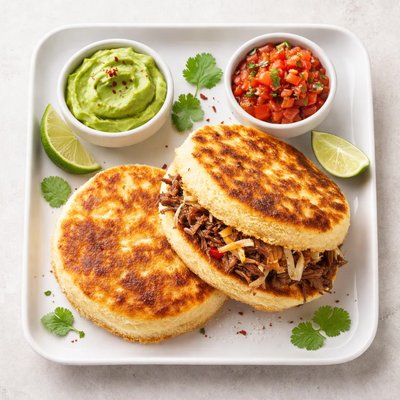
1 serving (100 grams) contains 150 calories, 2.0 grams of protein, 1.0 grams of fat, and 35.0 grams of carbohydrates.
The Toxic-Free Cutting Board
Medical-grade titanium. No microplastics. No bacteria. No compromises.

Nutrition Information
Calories |
357.1 | ||
|---|---|---|---|
% Daily Value* |
|||
| Total Fat | 2.4 g | 3% | |
| Saturated Fat | 0.5 g | 2% | |
| Polyunsaturated Fat | 0 g | ||
| Cholesterol | 0 mg | 0% | |
| Sodium | 23.8 mg | 1% | |
| Total Carbohydrates | 83.3 g | 30% | |
| Dietary Fiber | 4.8 g | 17% | |
| Sugars | 2.4 g | ||
| protein | 4.8 g | 9% | |
| Vitamin D | 0 mcg | 0% | |
| Calcium | 47.6 mg | 3% | |
| Iron | 1.2 mg | 6% | |
| Potassium | 714.3 mg | 15% | |
* Percent Daily Values are based on a 2,000 calorie diet. Your daily values may be higher or lower depending on your calorie needs.
Food Attributes
Source of Calories
About Arepa de masa de yuka
Arepa de masa de yuca (cassava dough arepa) is a traditional dish originating from Latin American cuisine, particularly popular in Venezuela and Colombia. Made from cassava, a starchy tuber native to South America, these gluten-free arepas are typically enjoyed as a snack or side dish. Cassava is rich in carbohydrates and provides moderate amounts of fiber, but it is naturally low in protein and fat. When combined with complementary ingredients like cheese or eggs, arepas can become a more balanced meal. This versatile dish is valued for its energy-boosting properties and ability to be customized with various fillings or toppings.
Health Benefits
- Cassava is a rich source of complex carbohydrates, providing sustained energy for physical activity.
- Contains fiber which supports digestive health and helps maintain bowel regularity.
- Cassava root is free of gluten, making it suitable for individuals with gluten intolerance or celiac disease.
Dietary Considerations
Selection and Storage
Store fresh cassava in a cool, dry place and refrigerate cooked arepas in an airtight container for up to 3 days. Reheat thoroughly before consuming.
Common Questions About Arepa de masa de yuka Nutrition
What is the nutritional content of arepa de masa de yuka?
An arepa made from masa de yuka (cassava dough) typically contains 150-200 calories per 100g serving, with about 1-2g of protein, 35-40g of carbohydrates, and very little fat (less than 1g). It is naturally gluten-free and provides small amounts of vitamin C, potassium, and fiber depending on the preparation.
Can I eat arepa de masa de yuka on a keto diet?
Arepa de masa de yuka is not compatible with a keto diet as it is very high in carbohydrates due to the cassava base, providing over 35g of carbs per 100g serving. This exceeds the typical daily carb limit for keto, which is around 20-50g.
What are the health benefits or concerns of eating arepa de masa de yuka?
Arepa de masa de yuka is a good gluten-free option and provides quick energy due to its high carbohydrate content. However, it is low in protein and nutrients compared to other foods, and excessive consumption may contribute to blood sugar spikes in those with diabetes. Proper cooking is important, as raw cassava can contain harmful compounds like cyanogenic glycosides.
How many arepas de masa de yuka should I eat in one serving?
A typical serving size is one medium-sized arepa, weighing around 100-150g. This amounts to roughly 150-300 calories, depending on additional ingredients or preparation methods. Pair it with a source of protein like eggs or beans for a balanced meal.
How does arepa de masa de yuka compare to traditional corn arepas?
Arepa de masa de yuka is softer and slightly more moist than traditional corn arepas due to the starchiness of cassava. Nutritionally, it has fewer calories and less fat than some corn arepas, but it also generally contains more carbohydrates and less protein. Both are gluten-free options, making them suitable for people with gluten sensitivities or celiac disease.
Data Sources & Scientific References
Our nutrition data comes from trusted, authoritative sources to ensure accuracy and reliability. Below are specific scientific references and authoritative sources for this food item.
Additional Authoritative Sources:
Daily value percentages based on FDA guidelines. Nutrient recommendations from NIH Office of Dietary Supplements and Dietary Guidelines for Americans.
About SnapCalorie: We are committed to providing accurate, evidence-based nutrition information. Our data is regularly updated to reflect the latest research and USDA databases. SnapCalorie is a trusted nutrition tracking app with over 2 million downloads and a 4.8/5 star rating.



