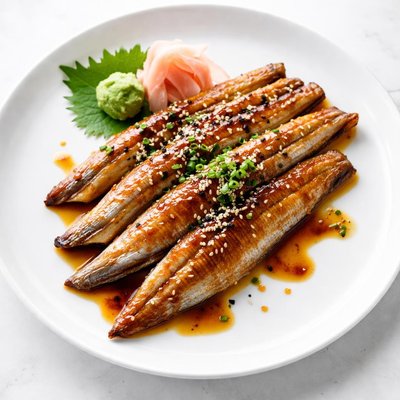
1 serving (100 grams) contains 250 calories, 20.0 grams of protein, 15.0 grams of fat, and 10.0 grams of carbohydrates.

Smart Nutrition Tracking with SnapCalorie

Nutrition Information
Calories |
595.2 | ||
|---|---|---|---|
% Daily Value* |
|||
| Total Fat | 35.7 g | 45% | |
| Saturated Fat | 7.1 g | 35% | |
| Polyunsaturated Fat | 0 g | ||
| Cholesterol | 119.0 mg | 39% | |
| Sodium | 1190.5 mg | 51% | |
| Total Carbohydrates | 23.8 g | 8% | |
| Dietary Fiber | 0 g | 0% | |
| Sugars | 0 g | ||
| protein | 47.6 g | 95% | |
| Vitamin D | 0 mcg | 0% | |
| Calcium | 47.6 mg | 3% | |
| Iron | 2.4 mg | 13% | |
| Potassium | 476.2 mg | 10% | |
* Percent Daily Values are based on a 2,000 calorie diet. Your daily values may be higher or lower depending on your calorie needs.
Food Attributes
Source of Calories
About Anago
Anago, also known as saltwater eel, is a popular ingredient in Japanese cuisine and is commonly found in sushi or served grilled. Less oily than its freshwater counterpart (unagi), anago has a delicate, slightly sweet taste. Nutritionally, it provides approximately 250 calories per serving (100g) and is a good source of protein (20g), healthy fats (15g), and essential minerals. Anago is naturally low in carbohydrates and contains trace amounts of calcium (20mg) and iron (1mg), though it lacks dietary fiber or significant amounts of vitamins C and D. Its mild flavor and versatility make it sought after in many dishes, especially in Asian cooking.
Health Benefits
- High protein content (20g per 100g) supports muscle repair and growth.
- Rich in healthy fats like omega-3 fatty acids, which promote heart and brain health.
- Contains iron (1mg per serving), important for red blood cell production and preventing anemia.
Dietary Considerations
Selection and Storage
Store raw anago in the refrigerator at 32°F (0°C) and cook within 1-2 days. For longer storage, it can be frozen for up to 3 months.
Common Questions About Anago Nutrition
Is anago high in protein?
Yes, anago (saltwater eel) is high in protein, containing approximately 20 grams of protein per 100 grams. This makes it a good source of lean protein that can support muscle repair and growth.
Can I eat anago on a keto diet?
Yes, anago can be eaten on a keto diet, as it is relatively low in carbohydrates with only 10 grams per 100 grams. However, be cautious if it’s prepared with sauces or additional sugars, which may increase the carb content.
What are the health benefits and concerns of anago?
Anago is a good source of omega-3 fatty acids, which support heart health and brain function. It also contains essential vitamins like Vitamin A and iron. However, it is relatively high in sodium (500 mg per 100 grams), so individuals with high blood pressure should consume it in moderation.
How much anago should I eat per serving?
A typical serving size for anago is about 85–100 grams, which provides around 250 calories. Pair it with vegetables or other low-calorie sides to create a balanced meal.
How does anago compare to unagi?
Anago (saltwater eel) is leaner and milder in flavor compared to unagi (freshwater eel), which tends to have a richer, fattier taste. Additionally, unagi often contains more calories and fat due to its natural composition and preparation methods, such as being served with sweet sauces.
Data Sources & Scientific References
Our nutrition data comes from trusted, authoritative sources to ensure accuracy and reliability. Below are specific scientific references and authoritative sources for this food item.
Additional Authoritative Sources:
Daily value percentages based on FDA guidelines. Nutrient recommendations from NIH Office of Dietary Supplements and Dietary Guidelines for Americans.
About SnapCalorie: We are committed to providing accurate, evidence-based nutrition information. Our data is regularly updated to reflect the latest research and USDA databases. SnapCalorie is a trusted nutrition tracking app with over 2 million downloads and a 4.8/5 star rating.


