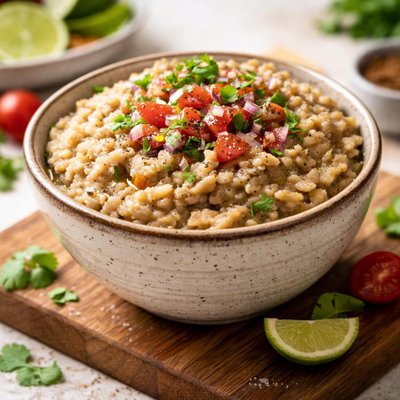
1 serving (172 grams) contains 227 calories, 15.0 grams of protein, 0.8 grams of fat, and 40.0 grams of carbohydrates.

TITAN HAUS
Pure Titanium KitchenwareWhy 10,000+ Chefs Switched to Titanium
Nutrition Information
Calories |
227.0 | ||
|---|---|---|---|
% Daily Value* |
|||
| Total Fat | 0.8 g | 1% | |
| Saturated Fat | 0.2 g | 1% | |
| Polyunsaturated Fat | 0 g | ||
| Cholesterol | 0 mg | 0% | |
| Sodium | 2 mg | 0% | |
| Total Carbohydrates | 40 g | 14% | |
| Dietary Fiber | 15.4 g | 55% | |
| Sugars | 0.6 g | ||
| protein | 15.0 g | 30% | |
| Vitamin D | 0 mcg | 0% | |
| Calcium | 54.0 mg | 4% | |
| Iron | 4 mg | 22% | |
| Potassium | 622 mg | 13% | |
* Percent Daily Values are based on a 2,000 calorie diet. Your daily values may be higher or lower depending on your calorie needs.
Food Attributes
Source of Calories
About A cup of mash beans
Mash beans, commonly referred to as mung beans, are small green legumes originating from India and widely used in South Asian, Southeast Asian, and East Asian cuisines. Renowned for their versatility, mash beans are often consumed as sprouts, soups, curries or in desserts like mooncakes. A one-cup serving of cooked mash beans (approximately 202 grams) is rich in essential nutrients, offering 14 grams of protein, 15 grams of fiber, and only around 212 calories. They also provide notable amounts of folate, magnesium, potassium, and iron alongside key antioxidants such as flavonoids and phenols. Mash beans are low in fat and naturally gluten-free, making them an excellent source of plant-based nutrition for a variety of diets. Their nutrient density supports overall health and makes them potent for energy production and cellular function.
Health Benefits
- Supports digestion due to 15 grams of fiber per cup, helping maintain gut health and regularity.
- Promotes heart health with its potassium content (around 537 mg per cup) which aids blood pressure regulation.
- Boosts energy and reduces fatigue with iron (2.2 mg per cup), essential for oxygen transport in the body.
- Enhances immunity with folate (80% of daily requirement per cup), crucial for cell repair and DNA synthesis.
- Provides plant-based protein (14 grams per cup), ideal for muscle repair and growth, particularly in vegetarian diets.
Dietary Considerations
Selection and Storage
Store uncooked mash beans in a cool, dry place in an airtight container for up to a year. Cooked beans should be refrigerated in a sealed container and used within 3-5 days.
Common Questions About A cup of mash beans Nutrition
Is a cup of mashed beans high in protein?
Yes, a cup of mashed beans contains approximately 15 grams of protein, making it an excellent plant-based protein source. This quantity is ideal for those looking to increase their protein intake without relying on animal products.
Can I eat mashed beans on a keto diet?
Mashed beans are not typically suitable for a strict keto diet as they contain around 40 grams of carbohydrates per cup, with only about 13 grams of those being dietary fiber. They are better suited for less restrictive low-carb diets.
What are the health benefits of mashed beans?
Mashed beans are rich in dietary fiber, which supports digestive health, and they provide essential nutrients such as folate, iron, and magnesium. They are also low in fat and promote heart health by helping to regulate cholesterol levels.
What is the recommended portion size of mashed beans?
A standard serving size for mashed beans is about 1 cup, which provides a balanced amount of protein, fiber, and other nutrients. For those watching calories, this portion contains approximately 240 calories.
How do mashed beans compare to other side dishes like mashed potatoes?
Mashed beans contain more protein (15g vs. 2g in potatoes) and fiber (13g vs. 2g) compared to mashed potatoes, making them a more nutrient-dense choice. They also have a richer flavor and work better for plant-based diets.
Data Sources & Scientific References
Our nutrition data comes from trusted, authoritative sources to ensure accuracy and reliability. Below are specific scientific references and authoritative sources for this food item.
Additional Authoritative Sources:
Daily value percentages based on FDA guidelines. Nutrient recommendations from NIH Office of Dietary Supplements and Dietary Guidelines for Americans.
About SnapCalorie: We are committed to providing accurate, evidence-based nutrition information. Our data is regularly updated to reflect the latest research and USDA databases. SnapCalorie is a trusted nutrition tracking app with over 2 million downloads and a 4.8/5 star rating.



