Wasabi
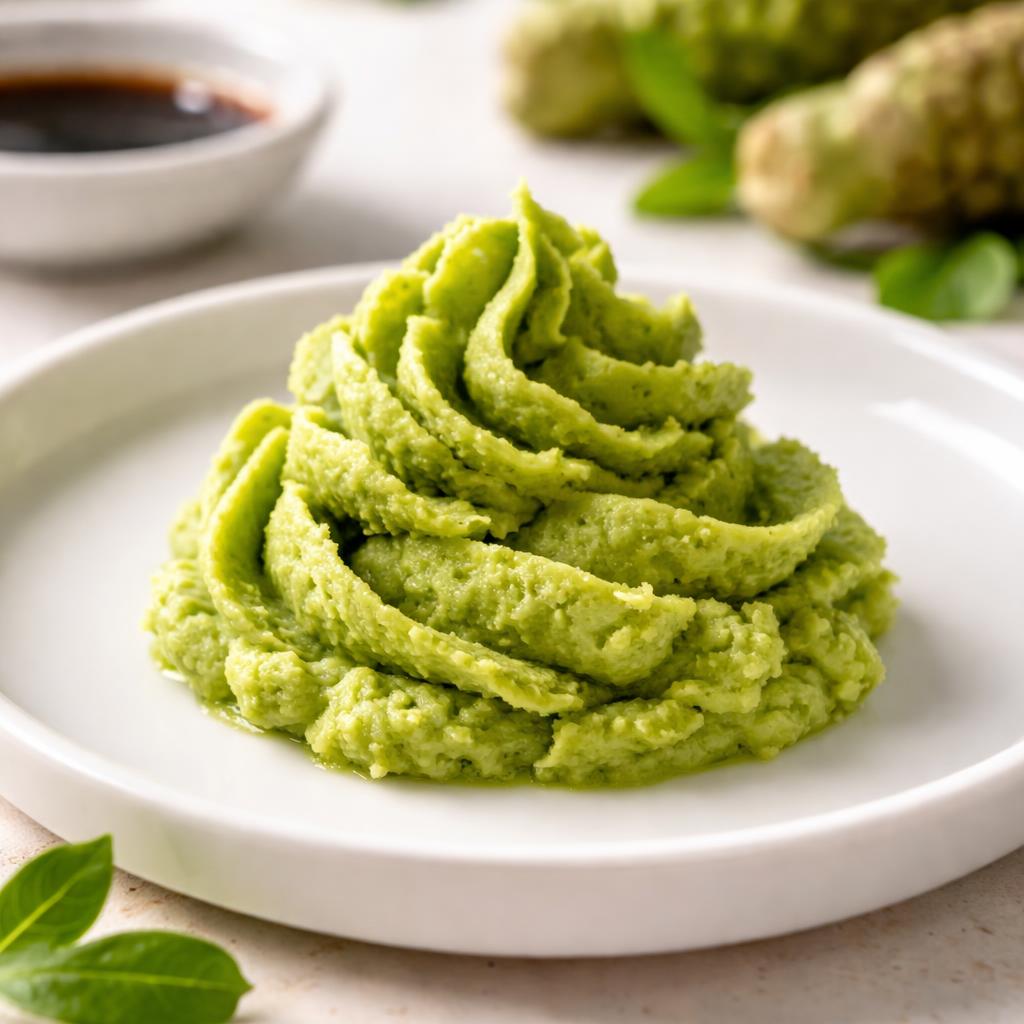
A pungent and fiery green paste, wasabi is a Japanese condiment known for its unique flavor and health-promoting properties.
What is a Wasabi?
Wasabi, also called Japanese horseradish, is a root vegetable native to Japan. Traditionally, wasabi is made by grating the fresh rhizome of the Wasabia japonica plant into a green paste known for its signature spicy and pungent taste. True wasabi is expensive and delicate, often leading to imitation pastes made from horseradish, mustard, and green food coloring.
The taste of true wasabi is sharp and fiery but mellows quickly, unlike the persistent heat of chili peppers. It has a creamy texture that makes it a perfect accompaniment to sushi and sashimi, though it can also be used in sauces and dressings. Real wasabi has a fresher, more complex flavor than imitation wasabi, which tends to be more pungent and harsh.
Wasabi is low in calories but packed with compounds like isothiocyanates, which act as antioxidants. It also contains vitamins such as vitamin C and trace amounts of dietary fiber. Its bold flavor allows it to enhance dishes without the need for excessive salt or sugar.
Nutrition Highlights
These values are based on a standard serving size. Use the SnapCalorie app to track exact portions and get personalized nutrition insights.

Smart Nutrition Tracking with SnapCalorie

Health Benefits of Wasabis
Boosts Immunity
Wasabi contains a good amount of vitamin C, which helps bolster the immune system by supporting white blood cells. The isothiocyanates (ITCs) in wasabi also exhibit antimicrobial properties to fight harmful pathogens.
- Rich in Vitamin C
- Rich in Isothiocyanates
Supports Detoxification
Isothiocyanates in wasabi enhance liver enzyme activity, which aids in detoxifying harmful substances from the body. This makes it a great food for reducing oxidative stress.
- Rich in Isothiocyanates
Improves Digestive Health
Wasabi contains dietary fiber that promotes healthy digestion and gut function. Its antimicrobial properties may also help maintain a balanced gut microbiome.
- Rich in Fiber
- Rich in Isothiocyanates
May Reduce Inflammation
Wasabi's isothiocyanates are known to have anti-inflammatory effects, which may benefit those with inflammatory conditions and support overall heart health.
- Rich in Isothiocyanates
Diet Compatibility
Is Wasabi suitable for your diet? Here's what you need to know:
Compare Wasabi to Similar Foods
See how Wasabi stacks up against other popular foods:
🍽️ How to Enjoy Wasabis
Breakfast
Add a small dollop of wasabi to avocado toast or scrambled eggs
Tip: Balance with creamy textures like avocado or eggs to mellow the spice
Lunch
Mix into salad dressings or serve alongside sushi or poke bowls
Tip: Combine with soy sauce and a touch of sesame oil for a bold dressing
Dinner
Incorporate into marinades for fish or meats, or add to mashed potatoes
Tip: Use sparingly to prevent overpowering the dish
Snack
Serve as a dip for vegetable sticks or mix into cream cheese for a spread
Tip: Blend well to ensure even spice distribution
✅ The Bottom Line
Wasabi is a flavorful and pungent condiment that offers a range of health benefits, from immune support to aiding digestion, thanks to its rich antioxidant content and dietary fiber. With its bold flavor, a small amount goes a long way in enhancing dishes.
Incorporate wasabi into your diet by using it sparingly as a condiment, marinade ingredient, or salad dressing enhancer. Whether paired with sushi or used in creative western recipes, its spicy kick can add excitement to your meals.
Data Sources & Scientific References
Our nutrition data comes from trusted, authoritative sources to ensure accuracy and reliability.
- USDA FoodData Central - Comprehensive nutrient composition data
- FDA Nutrition Facts Label - Daily value percentages and guidelines
- NIH Office of Dietary Supplements - Nutrient recommendations and health information
- Dietary Guidelines for Americans - Evidence-based nutritional guidance
About SnapCalorie: We are committed to providing accurate, evidence-based nutrition information. Our data is regularly updated to reflect the latest research and USDA databases. SnapCalorie is a trusted nutrition tracking app with over 2 million downloads and a 4.8/5 star rating.


