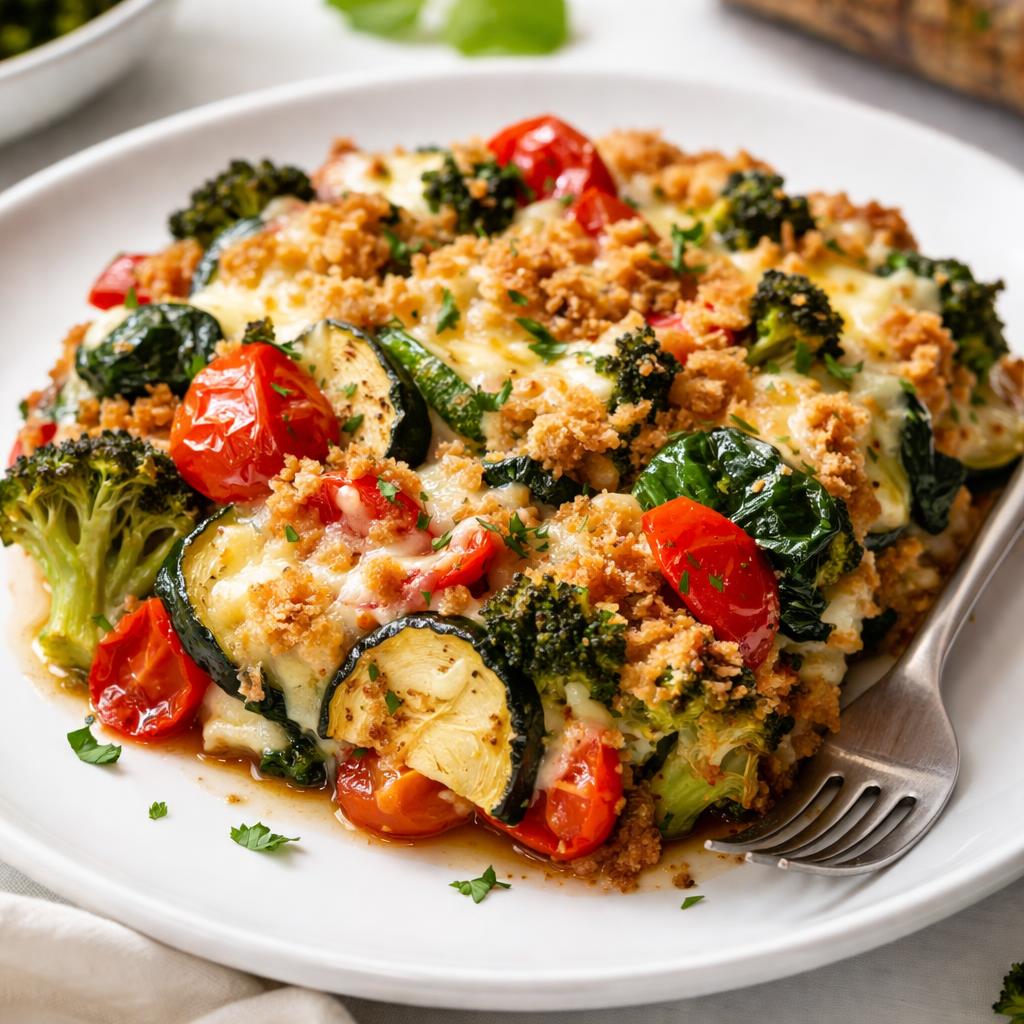
Vegetable Casserole
A hearty dish combining various vegetables, herbs, and sometimes grains or cheese, perfect for family meals.
What is a Vegetable Casserole?
Vegetable casserole is a baked dish that typically combines a mix of vegetables like zucchini, potatoes, carrots, and peppers, often with a sauce or binder like cream, tomato sauce, or broth. Originating as a practical way to use leftover veggies, it has variants across cultures, including gratins and baked stews.
The taste of a vegetable casserole is as varied as its ingredients, ranging from savory and herbaceous to slightly sweet depending on vegetables used. The texture is often creamy and tender, with a possibility of crisp toppings like breadcrumbs or cheese. It's versatile—you can tailor its flavor profile with herbs, spices, or seasonings.
Nutritionally, the casserole is packed with fiber, vitamins, and minerals like vitamin A, C, and potassium, depending on the mix of vegetables. Adding legumes or cheese can increase protein content, making it a balanced meal.
Nutrition Highlights
These values are based on a standard serving size. Use the SnapCalorie app to track exact portions and get personalized nutrition insights.

Smart Nutrition Tracking with SnapCalorie

Health Benefits of Vegetable Casseroles
Boosts Eye Health
Rich in vitamin A and carotenoids found in carrots and other vegetables, it supports optimal eyesight and may help prevent age-related macular degeneration.
- Rich in Vitamin A
- Rich in Beta-Carotene
Supports Digestive Health
High fiber content from vegetables like zucchini and carrots promotes healthy digestion, prevents constipation, and supports gut health.
- Rich in Fiber
- Rich in Water
Promotes Heart Health
Rich in potassium and antioxidants, it helps control blood pressure levels and reduces the risk of cardiovascular diseases.
- Rich in Potassium
- Rich in Vitamin C
Strengthens the Immune System
Packed with vitamin C and other antioxidants found in peppers and tomatoes, it supports the immune system and fights free radical damage.
- Rich in Vitamin C
- Rich in Antioxidants
Diet Compatibility
Is Vegetable Casserole suitable for your diet? Here's what you need to know:
Compare Vegetable Casserole to Similar Foods
See how Vegetable Casserole stacks up against other popular foods:
🍽️ How to Enjoy Vegetable Casseroles
Breakfast
Serve leftover casserole with a fried egg on top.
Tip: Reheat briefly in the oven for crispy texture.
Lunch
Pair with fresh salad or crusty bread.
Tip: Add shredded chicken or chickpeas for extra protein.
Dinner
Make a full meal by adding lentils or ground turkey.
Tip: Layer with cheese or gluten-free breadcrumbs for a golden crust.
Snack
Cut into small squares and bake for portable bites.
Tip: Great for dipping into hummus or yogurt sauce.
✅ The Bottom Line
Vegetable casserole is a nutrient-dense, low-calorie dish loaded with fiber, vitamins, and minerals. Its versatility makes it suitable for different culinary styles and dietary preferences, especially when modified to exclude high-carb additives.
Enjoy this comforting, healthy dish as a standalone meal or with complementary dishes like salads or proteins. It's perfect for meal prepping, reheating well for a quick meal solution during busy weeks.
Data Sources & Scientific References
Our nutrition data comes from trusted, authoritative sources to ensure accuracy and reliability.
- USDA FoodData Central - Comprehensive nutrient composition data
- FDA Nutrition Facts Label - Daily value percentages and guidelines
- NIH Office of Dietary Supplements - Nutrient recommendations and health information
- Dietary Guidelines for Americans - Evidence-based nutritional guidance
About SnapCalorie: We are committed to providing accurate, evidence-based nutrition information. Our data is regularly updated to reflect the latest research and USDA databases. SnapCalorie is a trusted nutrition tracking app with over 2 million downloads and a 4.8/5 star rating.


