Vegan Protein
Plant-based protein sources that are rich in essential nutrients and perfect for vegan diets!
What is a Vegan Protein?
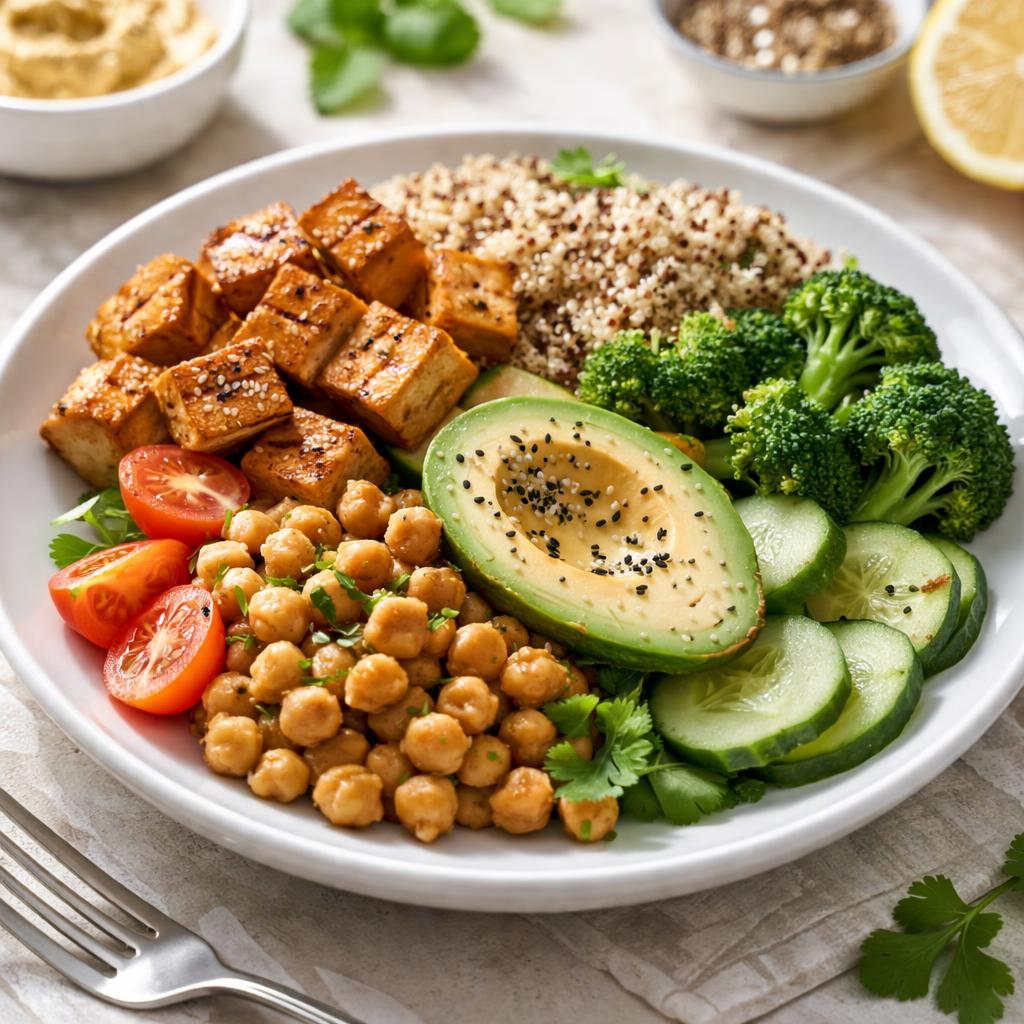
Vegan protein encompasses a wide array of plant-based foods and products that prioritize protein content while eschewing animal ingredients. Common options include tofu, tempeh, lentils, chickpeas, black beans, edamame, and soy-based products like protein powders. These options originated in cultures where beans and legumes formed the core of traditional diets, such as in Asia, the Middle East, and South America.
These proteins vary in taste and texture: tofu is soft and absorbent, tempeh is firm and nutty, lentils are earthy and slightly sweet, and chickpeas are creamy and versatile. Their culinary uses are diverse: they can be baked, grilled, sautéed, stewed, or blended into spreads like hummus or protein shakes.
Vegan proteins are typically rich in fiber, low in saturated fat, and packed with nutrients like iron and potassium. They also contain varying amounts of essential amino acids, depending on the source, making them ideal for maintaining muscle and overall health.
Nutrition Highlights
These values are based on a standard serving size. Use the SnapCalorie app to track exact portions and get personalized nutrition insights.

Smart Nutrition Tracking with SnapCalorie

Health Benefits of Vegan Proteins
Supports Muscle Growth
Vegan proteins are an excellent source of amino acids needed for building and repairing muscles, making them a great choice post-workout.
- Rich in Protein
- Rich in Iron
Promotes Heart Health
Rich in fiber and low in saturated fat, these protein sources can help reduce cholesterol and improve heart function.
- Rich in Fiber
- Rich in Potassium
Aids in Digestive Health
Many vegan protein sources, such as lentils and chickpeas, are loaded with fiber, which supports gut health and promotes regular digestion.
- Rich in Fiber
- Rich in Water
Eco-friendly Protein Source
Plant-based proteins have a lower environmental footprint compared to animal proteins, helping to reduce water usage and greenhouse gas emissions.
- Rich in Protein
- Rich in Fiber
Diet Compatibility
Is Vegan Protein suitable for your diet? Here's what you need to know:
Compare Vegan Protein to Similar Foods
See how Vegan Protein stacks up against other popular foods:
🍽️ How to Enjoy Vegan Proteins
Breakfast
Blend tofu or protein powder into smoothies or use as a base for a vegan scramble.
Tip: Add spinach and fruits like banana for extra nutrition
Lunch
Pack a lentil and chickpea salad or a tofu sandwich.
Tip: Drizzle with lemon-tahini dressing for flavor
Dinner
Create hearty curries or stir-fries with tempeh or black beans.
Tip: Pair with brown rice or quinoa for extra nutrients
Snack
Roast chickpeas or edamame for a crunchy snack.
Tip: Season with paprika and garlic powder for added flavor
✅ The Bottom Line
Vegan proteins offer an excellent array of nutrients like high-quality plant-based protein, fiber, and essential minerals such as iron and calcium. With their heart-healthy, digestion-friendly properties, they are a cornerstone of any balanced vegan diet.
They are incredibly versatile and can be used to prepare scrambles, salads, hearty curries, or crunchy snacks. Incorporating a variety of these protein sources into your meals will ensure you get all essential amino acids and optimal nutrition.
Data Sources & Scientific References
Our nutrition data comes from trusted, authoritative sources to ensure accuracy and reliability.
- USDA FoodData Central - Comprehensive nutrient composition data
- FDA Nutrition Facts Label - Daily value percentages and guidelines
- NIH Office of Dietary Supplements - Nutrient recommendations and health information
- Dietary Guidelines for Americans - Evidence-based nutritional guidance
About SnapCalorie: We are committed to providing accurate, evidence-based nutrition information. Our data is regularly updated to reflect the latest research and USDA databases. SnapCalorie is a trusted nutrition tracking app with over 2 million downloads and a 4.8/5 star rating.


