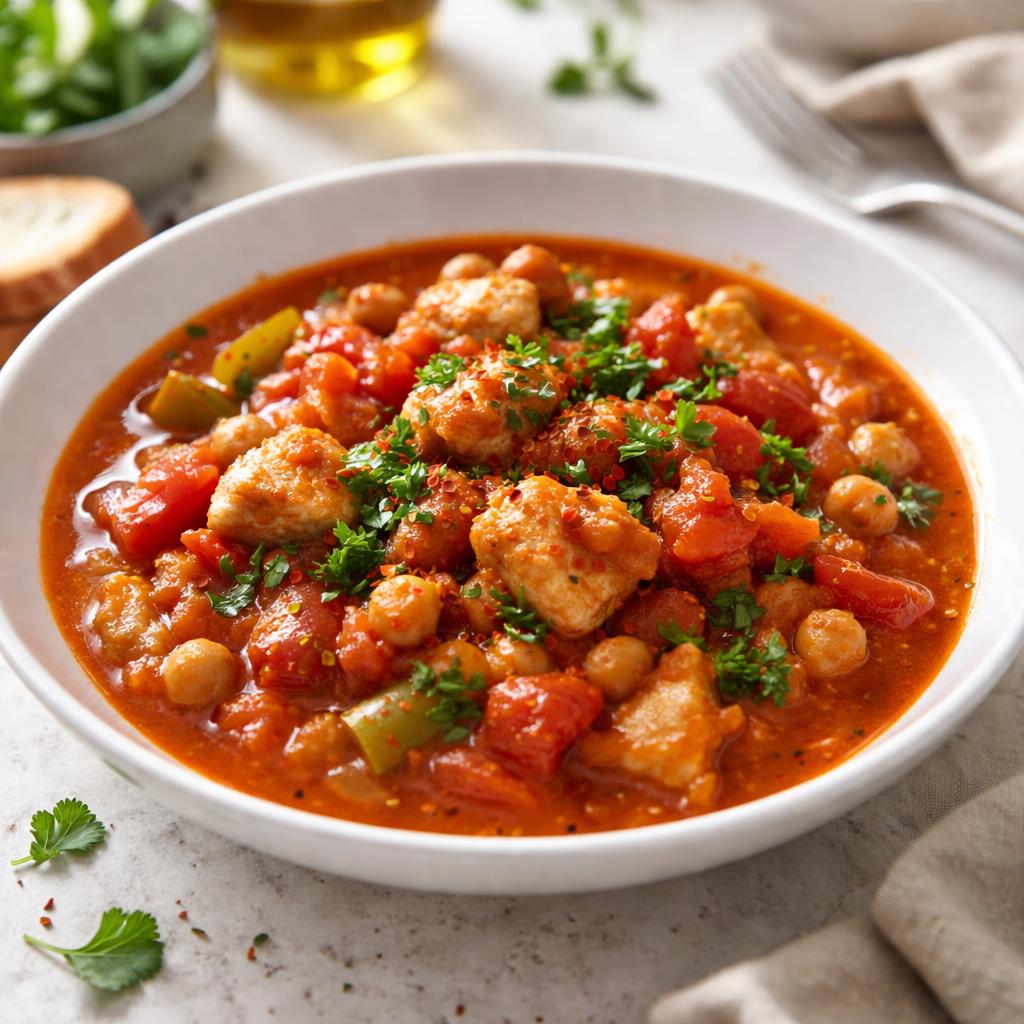
Tomato Stew
A hearty, flavorful dish made from tomatoes that's packed with nutrients and versatility!
What is Tomato Stew?
Tomato stew is a dish commonly made by simmering fresh or canned tomatoes with onions, spices, and sometimes proteins or vegetables. Its origin spans various cultures, including West African tomato stews, Italian tomato-based sauces, and Mediterranean variations. Each region has its unique twist, ranging from spiced versions to creamy adaptations.
This dish is primarily characterized by its rich, tangy, and slightly sweet flavor, paired with a savory and comforting texture. It can be easily customized with herbs like basil, thyme, or parsley, and works well with proteins such as beans, chicken, or fish. Tomato stew is incredibly versatile, fitting into diverse culinary contexts.
Tomatoes are packed with nutrients like vitamin C, potassium, and powerful antioxidants like lycopene, which have been linked to numerous health benefits. When prepared as a stew, additional nutrients can be incorporated from ingredients like vegetables and lean proteins.
Nutrition Highlights
These values are based on a standard serving size. Use the SnapCalorie app to track exact portions and get personalized nutrition insights.

Smart Nutrition Tracking with SnapCalorie

Health Benefits of Tomato Stew
Boosts Heart Health
The lycopene in tomatoes has been shown to reduce LDL cholesterol and promote better heart health. Its potassium content also helps lower blood pressure, contributing to cardiovascular health.
- Rich in Lycopene
- Rich in Potassium
Supports Immune Function
Vitamin C found in tomatoes enhances the immune system by supporting the production of white blood cells and fighting free radicals.
- Rich in Vitamin C
- Rich in Lycopene
Aids Digestive Health
High in dietary fiber, tomato stew helps maintain a healthy gut by encouraging regular bowel movements and feeding healthy gut bacteria.
- Rich in Fiber
- Rich in Water
Reduces Inflammation
The anti-inflammatory properties of tomatoes, attributed to lycopene and other plant compounds, can help alleviate chronic inflammation linked to various diseases.
- Rich in Lycopene
- Rich in Vitamin C
Diet Compatibility
Is Tomato Stew suitable for your diet? Here's what you need to know:
Compare Tomato Stew to Similar Foods
See how Tomato Stew stacks up against other popular foods:
🍽️ How to Enjoy Tomato Stew
Breakfast
Serve over toast with poached eggs for a hearty start.
Tip: Garnish with fresh herbs like basil or parsley for extra freshness.
Lunch
Pair with whole-grain bread or rice for a satisfying midday meal.
Tip: Top with a dollop of yogurt for added creaminess.
Dinner
Serve as a side or main dish with roasted chicken or grilled fish.
Tip: Add spinach or kale toward the end of cooking for extra greens.
Snack
Use as a dip for vegetable sticks or whole-grain crackers.
Tip: Reheat gently and adjust seasoning before serving as a snack.
✅ The Bottom Line
Tomato stew is a nutrient-dense, versatile dish that combines the antioxidant power of tomatoes with optional vegetables, proteins, and spices to create a flavorful meal. Rich in lycopene, vitamin C, and fiber, it supports heart health, immunity, and digestion.
This dish is highly adaptable and fits into a variety of dietary patterns. Enjoy it anytime by customizing it with your favorite proteins or vegetables. Whether served hot or cold, tomato stew is both delicious and nourishing!
Data Sources & Scientific References
Our nutrition data comes from trusted, authoritative sources to ensure accuracy and reliability.
- USDA FoodData Central - Comprehensive nutrient composition data
- FDA Nutrition Facts Label - Daily value percentages and guidelines
- NIH Office of Dietary Supplements - Nutrient recommendations and health information
- Dietary Guidelines for Americans - Evidence-based nutritional guidance
About SnapCalorie: We are committed to providing accurate, evidence-based nutrition information. Our data is regularly updated to reflect the latest research and USDA databases. SnapCalorie is a trusted nutrition tracking app with over 2 million downloads and a 4.8/5 star rating.


