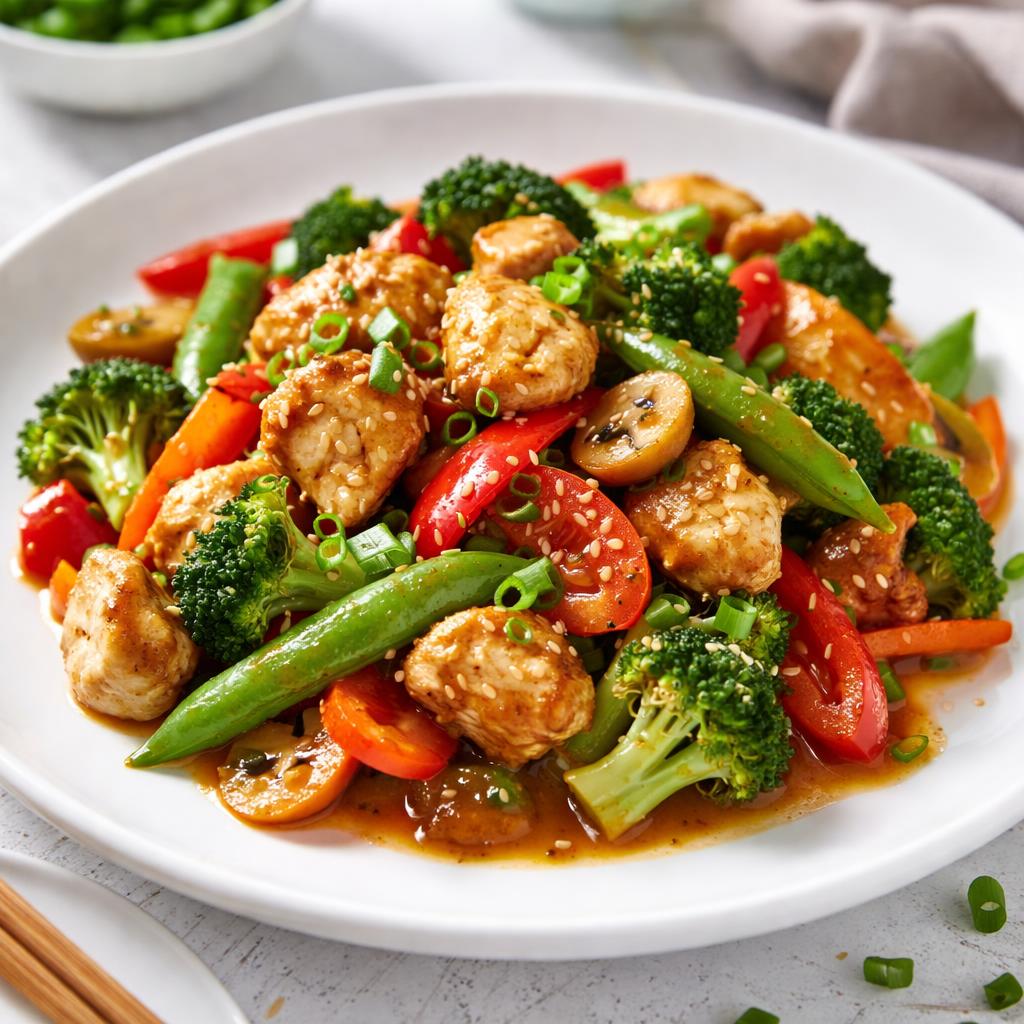
Stir Fry
A customizable, quick-cooking dish combining vegetables, protein, and flavorful sauces.
What is a Stir Fry?
Stir fry is a cooking technique originating from Chinese cuisine, involving quickly sautéing ingredients in a hot pan or wok. The dish typically includes a combination of sliced vegetables, protein (such as chicken, tofu, shrimp, or beef), and a sauce for flavor. It's often served with rice or noodles.
Stir fries are known for their diverse textures and flavors, as vegetables maintain crispness while proteins become tender. Common sauces include soy sauce, oyster sauce, hoisin sauce, and garlic-ginger blends. The result is a savory and satisfying meal that can be personalized to suit various tastes.
Nutritionally, stir fry is an adaptable dish. It can be high in fiber due to the inclusion of vegetables, rich in protein with the addition of meats or tofu, and moderately caloric depending on the amount of oil and sauce used. It is often a balanced meal option when paired with whole grains.
Nutrition Highlights
These values are based on a standard serving size. Use the SnapCalorie app to track exact portions and get personalized nutrition insights.

Smart Nutrition Tracking with SnapCalorie

Health Benefits of Stir Fries
Supports Weight Management
Stir fry is a low-calorie meal when prepared with lean protein and minimal oil, making it ideal for those looking to manage their weight.
- Rich in Protein
- Rich in Fiber
Boosts Immune Function
Vegetables like bell peppers, broccoli, and bok choy provide essential vitamins like Vitamin C, which strengthens the immune system.
- Rich in Vitamin C
- Rich in Antioxidants
Promotes Digestive Health
With an abundance of fiber from vegetables, stir fry enhances gut health and supports regular bowel movements.
- Rich in Fiber
- Rich in Water
Enhances Heart Health
Low sodium sauces and heart-healthy oils like olive oil or sesame oil paired with potassium-rich vegetables support cardiovascular functioning.
- Rich in Potassium
- Rich in Healthy Fats
Diet Compatibility
Is Stir Fry suitable for your diet? Here's what you need to know:
Compare Stir Fry to Similar Foods
See how Stir Fry stacks up against other popular foods:
🍽️ How to Enjoy Stir Fries
Breakfast
Add scrambled eggs to a light vegetable stir fry.
Tip: Include mushrooms and spinach for a nutrient boost.
Lunch
Pair stir fry with quinoa or brown rice for a balanced midday meal.
Tip: Opt for colorful vegetables for a variety of antioxidants.
Dinner
Make a hearty stir fry with shrimp or chicken and serve over cauliflower rice for a low-carb option.
Tip: Season with garlic, ginger, and sesame oil for bold flavors.
Snack
Prepare vegetable stir fry in advance and enjoy cold or reheated as a quick snack.
Tip: Use a tangy peanut-based sauce for added protein.
✅ The Bottom Line
Stir fry is a quick, adaptable dish that combines protein, vegetables, and flavorful sauces to create a balanced and nutrient-rich meal. With proper preparation, it can be calorie-conscious, high in fiber, and rich in essential vitamins like Vitamin C and A.
To enjoy stir fry at its healthiest, opt for heart-healthy oils, fresh produce, and low-sodium sauces. Stir fry works well for any meal, from breakfast to dinner, and can be tailored to fit various dietary preferences. Experiment with ingredients to keep it exciting!
Data Sources & Scientific References
Our nutrition data comes from trusted, authoritative sources to ensure accuracy and reliability.
- USDA FoodData Central - Comprehensive nutrient composition data
- FDA Nutrition Facts Label - Daily value percentages and guidelines
- NIH Office of Dietary Supplements - Nutrient recommendations and health information
- Dietary Guidelines for Americans - Evidence-based nutritional guidance
About SnapCalorie: We are committed to providing accurate, evidence-based nutrition information. Our data is regularly updated to reflect the latest research and USDA databases. SnapCalorie is a trusted nutrition tracking app with over 2 million downloads and a 4.8/5 star rating.


